
Japan is a country filled with unique traditions, innovative technology, and a rich history that captivates visitors from all around the world. But beyond the well-known tourist attractions and the modern city skylines, there are many surprising facts that may not be widely known. Here, we’ve gathered ten interesting and unexpected insights about Japan that offer a deeper understanding of this fascinating nation.
1 What Japan is known for…
Japan is a country defined by its rich culture, technological innovation, and fascinating history. Its ancient traditions — such as tea ceremonies and samurai heritage — coexist with modern pop culture, including anime, manga, and video games. Japanese cuisine, from sushi to ramen, is loved worldwide for its quality and artistry.
The country’s diverse landscapes range from the snow-covered mountains of Hokkaido to the tropical beaches of Okinawa, with iconic landmarks like Mount Fuji standing as national symbols. Japan is also renowned for its cleanliness, high standard of living, and extremely efficient public transportation.
This unique blend of old and new makes Japan a truly captivating destination for visitors from around the globe. [source]
2 Japan has one of the highest median ages in the world…
Around 21% of Japan’s population is over 65 years old, making it one of the highest proportions of elderly citizens globally. This means the country now has more elderly people than children, a trend that is reflected in consumer patterns.
In fact, more adult diapers are sold than baby diapers in Japan — a striking indicator of the demographic challenges the nation faces due to an aging population and a low birth rate. [source]
3 Japan is one of the most fish-consuming countries in the world…
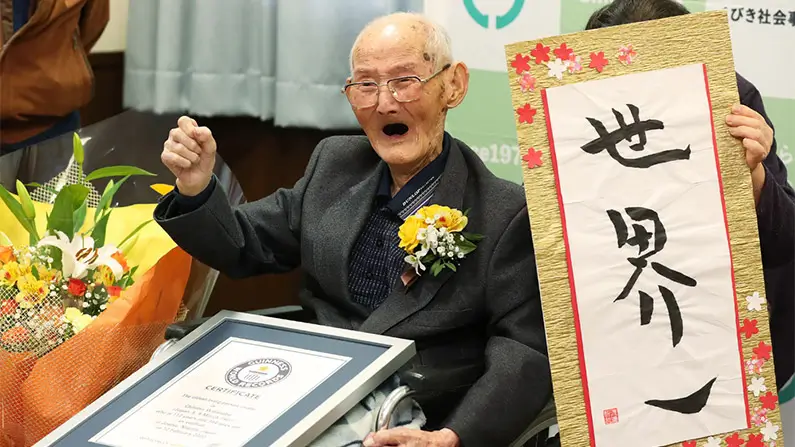
The country is known for its exceptionally high fish consumption and is one of the largest importers of seafood globally. Shrimp makes up a significant share of these imports. More than 20% of the population’s protein intake comes from fish and other seafood products. [source]
5 Manga is a multi-billion-dollar industry in Japan…
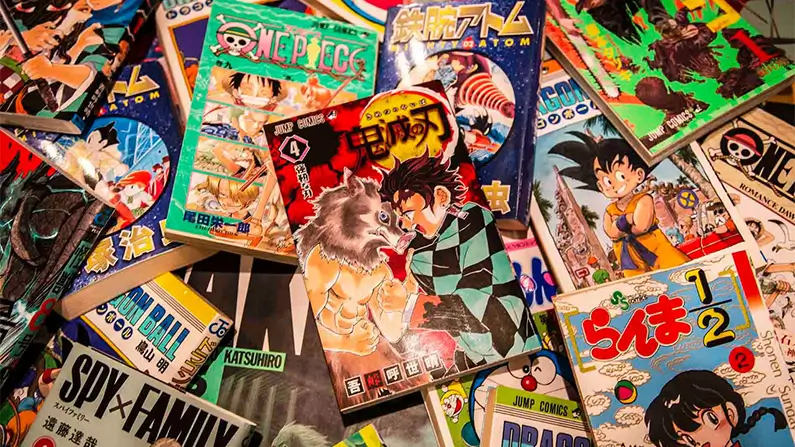
Manga is enormously popular in Japan, with millions of copies of manga magazines and graphic novels sold every year. It is estimated that around 500 million copies are sold annually, making manga one of the most influential and enduring media forms in the country — even despite the rapid growth of the internet over the past few decades. [source]
5 What Japan’s climate is like…
Japan’s climate varies across the country, but it is generally described as temperate to subtropical. The northern regions experience cold winters and warm summers, while the southern areas have milder winters and hot, humid summers.
The country is also influenced by monsoon winds, leading to high rainfall during the summer months, especially in the southwestern regions. Topography plays a significant role as well, with Japan’s many mountains creating distinct local climate conditions. [source]
6 Japan has the most vending machines in the world…
The country has around 5.5 million vending machines, making it one of the nations with the highest number of machines per capita. These machines sell an incredible range of products, including beverages like beer and canned coffee, cigarettes, comic books, hot dogs, light bulbs, rice, toilet paper, umbrellas, fishing bait, fresh eggs — and even more unusual items such as adult magazines.
Vending machines that once sold used women’s underwear were, at one time, a controversial and much-discussed phenomenon, but such machines are now extremely rare and generally banned due to legislation and shifting social norms. [source]

You may also like
7 A lone Japanese survivor of the Titanic — and he was labeled a coward back home…
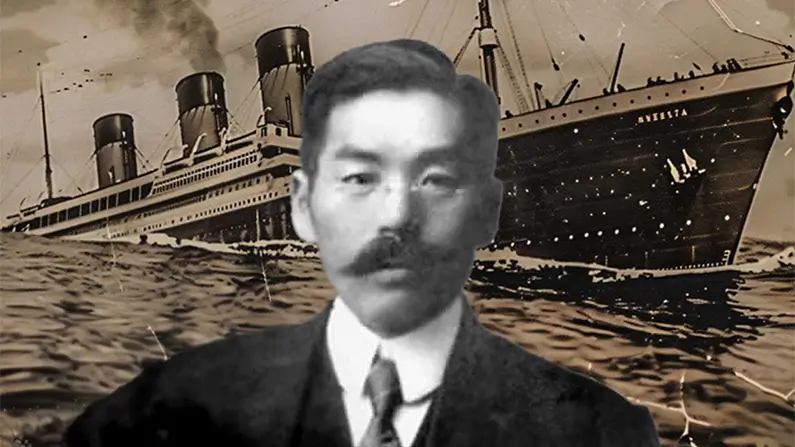
Masabumi Hosono, the only Japanese man to survive the sinking of the RMS Titanic in 1912, faced harsh criticism and was even branded a coward in his home country. His survival — while so many others perished — went against the prevailing Japanese ideals of honor and self-sacrifice at the time.
This backlash is well documented in historical accounts and reflects the earlier cultural expectation that a “noble death” could be more honorable than survival. Many people believed he should have gone down with the others. [source]
8 In ancient Japan, black teeth were considered fashionable…
In ancient times, Japan practiced a tradition known as “ohaguro“, in which women dyed their teeth black using a dark pigment. This was seen as aesthetic and desirable, while white teeth were viewed as unattractive.
Ohaguro continued among certain social classes and in specific regions well into the late 1800s and early 1900s. After that, its popularity declined rapidly, and today the practice is extremely rare — which, depending on your taste, might not be such a bad thing. [source]

You may also like
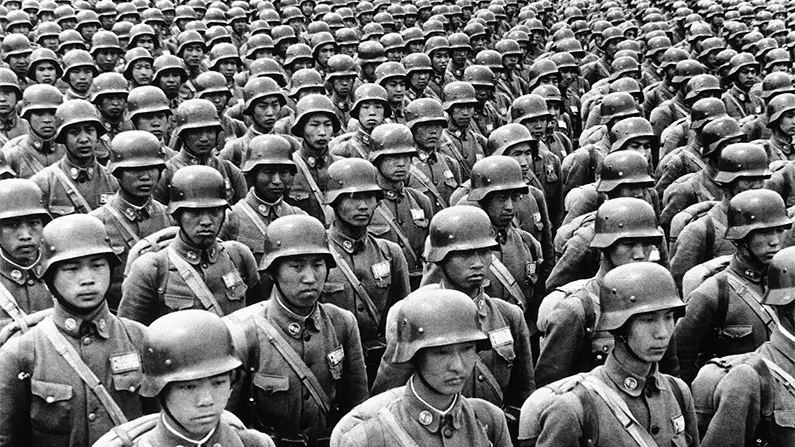
9 Technically, Japan and Russia are still at war…
Japan and Russia have never signed a peace treaty to formally end World War II. The reason is an ongoing territorial dispute over the Kuril Islands, a chain stretching from Hokkaido to the Kamchatka Peninsula. Japan claims that the four southernmost islands (Etorofu, Kunashiri, Shikotan, and Habomai) are its territory, while Russia has controlled the entire island group since the end of the war.
This disagreement has prevented a permanent resolution and the signing of an official peace treaty between the two nations. Fortunately, there is no active or deadly conflict today. [source]
10 More than half of all animation-based entertainment is Japanese…
Anime — animated films and TV series — makes up a significant share of the world’s animation industry. Approximately 60% of all animation produced globally comes from Japan, which is an undeniably impressive share.
There are also numerous educational institutions and specialized courses in Japan focused on voice acting and animation techniques, further emphasizing the country’s major influence in the world of animation and voice performance. [source]
5 Common Questions About Japan
Japan can be moderately to highly expensive, depending on where you go and how you travel. Major cities like Tokyo and Kyoto typically have higher prices for accommodation and dining, while rural areas tend to be more affordable. Public transportation—including the famous Shinkansen bullet trains—is efficient but can add to travel costs. With good planning, however, Japan can be visited on almost any budget.
Japan is famous for its unique blend of tradition and modernity. Visitors know it for temples, shrines, and samurai history, as well as advanced technology, anime, manga, and world-renowned cuisine. Iconic landmarks like Mount Fuji, the Shinkansen, and vibrant districts such as Shibuya and Akihabara also define Japan globally.
Citizens of many countries can enter Japan visa-free for short stays, usually up to 90 days. Others may need to apply for a tourist visa in advance. Requirements vary depending on nationality and travel purpose. It’s recommended to check the latest guidance from Japan’s Ministry of Foreign Affairs before planning your trip.
The official language is Japanese, which is spoken nationwide. English is taught in schools and is increasingly common in major cities, transport hubs, and tourist areas. However, English proficiency varies, so travelers often benefit from translation apps or basic Japanese phrases.
The most popular times to visit Japan are spring (March–May) for cherry blossoms and autumn (September–November) for colorful foliage. These seasons offer mild weather and stunning scenery. Summer is hot and humid, while winter can be cold—but ideal for snow sports in regions like Hokkaido.