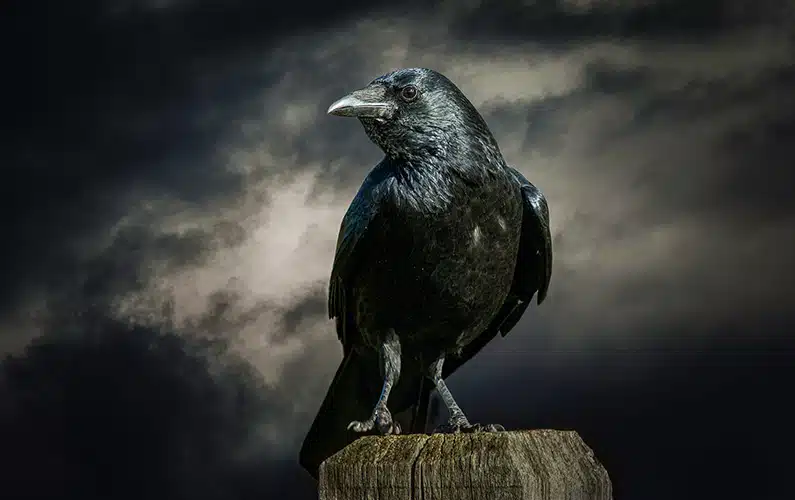

Moose (Alces), the towering giants of our forests, are far more than a familiar sight along woodland trails and rural roads. Despite their iconic status, there are many surprising facts about these animals that few people know. In this article, we reveal ten fascinating insights that will change how you see the king of the forest—and give you a deeper understanding of one of nature’s most impressive mammals.
1 This is what moose prefer to eat—and how much they consume each day…
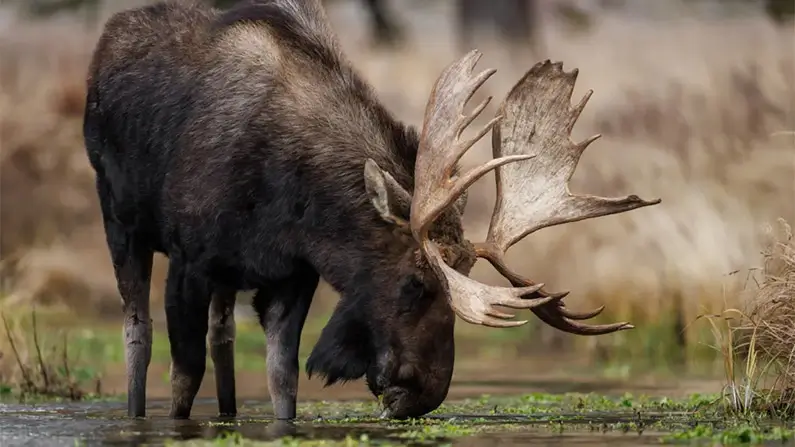
Moose are herbivores, and their diet mainly consists of leaves, twigs, buds, and bark from a wide range of trees and shrubs. During summer, they also feed on aquatic plants and herbs, while winter forces them to rely more heavily on bark and twigs from trees such as willow, aspen, rowan, and pine, when fresh vegetation is scarce.
As one of the largest land mammals in the Northern Hemisphere, moose have huge nutritional demands. An adult moose can eat between 20 and 30 kilograms of food every single day, depending on the season and food availability. This massive intake is essential to maintain body weight and energy levels, especially during the cold winter months, when their energy needs are at their highest. [source]
2 Wolves and bears are among the moose’s natural enemies…
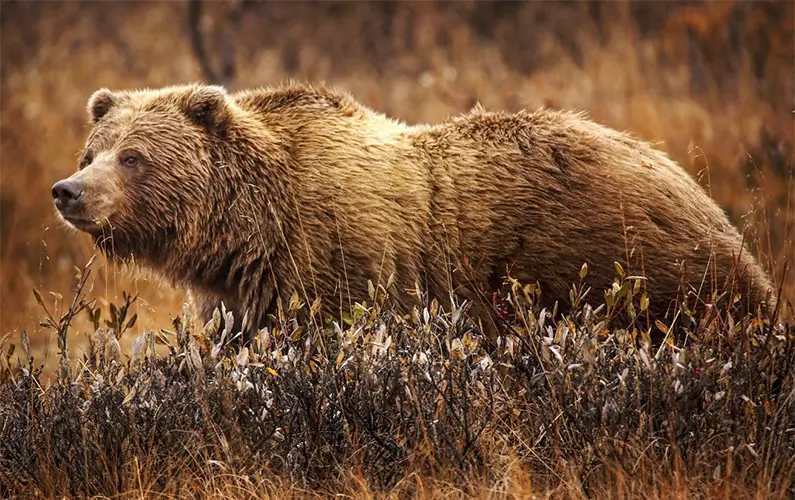
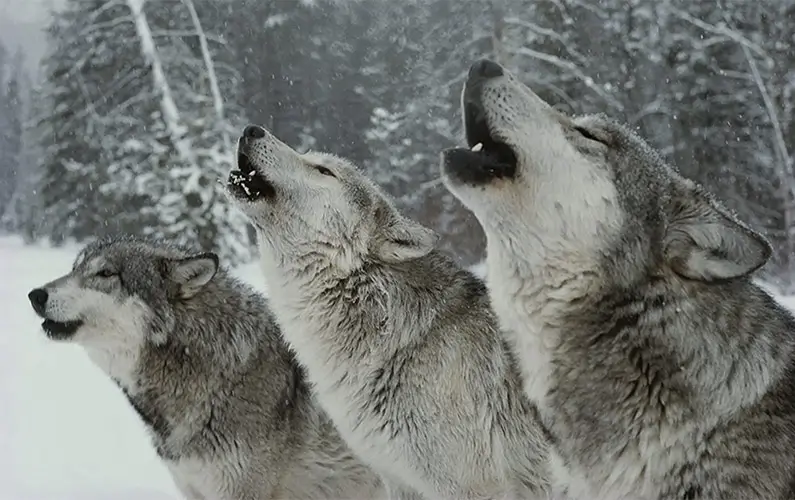
Despite their impressive size and strength, moose do have natural predators in the wild. The greatest threats come from wolf packs and bears. A healthy adult moose is no easy target, which is why predators usually focus on calves, the sick, or the elderly—individuals that have a harder time defending themselves.
Even so, moose must remain constantly alert, regardless of age or health. Bite wounds from predators can lead to serious infections, and if an injury becomes infected and fails to heal, it can weaken the animal and lead to death within just a couple of weeks. When this happens, the fallen moose becomes food for predators, clearly illustrating the natural cycle of life and death within the ecosystem. [source]
3 But the moose’s greatest enemy is actually a parasitic worm…
One of the most serious threats to moose comes from a much smaller enemy: parasitic worms, particularly the species Parelaphostrongylus tenuis. These parasites—commonly known as brain worms—attack the central nervous system, with devastating effects.
Infection begins when a moose accidentally consumes snails or slugs carrying the parasite’s larvae. The larvae then migrate through the body and eventually reach the brain, where they cause severe neurological damage. This can result in disorientation, paralysis, and abnormal behavior, greatly reducing the animal’s ability to survive in the wild. In many cases, the infection ultimately leads to death. [source]
You may also like
4 This is when a moose’s antlers are at their largest…
In moose, as in most other deer species (with the exception of reindeer), only males grow antlers. In moose calves, antler development begins during the autumn of their first year, appearing as small, velvet-covered pedicles. These can be seen as tiny bumps just behind the eyes. By around two years of age, young bulls usually start developing their first true antlers—often simple spikes commonly referred to as “bicycle handlebars“.
As the bull matures, the size and complexity of the antlers continue to increase. They are typically at their largest and most impressive between the ages of five and ten. At this stage, the bull is often described as “capital“, a term indicating that the antlers have reached their full potential in both size and number of tines.
After this peak period, the antlers gradually begin to decrease in size, and the number of tines declines as the bull grows older—a process known as antler regression. The growth and transformation of antlers are a key part of the moose’s life cycle, influencing both behavior and social hierarchy within the species. [source]
5 A moose’s antlers can weigh up to 18 kilograms (around 40 pounds)…
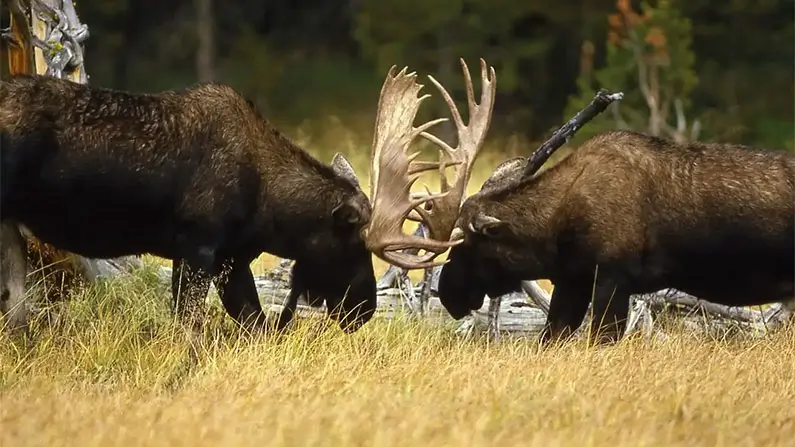
Moose antlers are essentially massive bone structures, which makes them remarkably heavy. To support this weight, especially bulls develop strong, muscular necks capable of carrying and controlling these impressive crowns. In fact, the antlers of a fully grown bull can weigh more than 18 kilograms (around 40 pounds).
These antlers are not just designed to impress during the mating season—they also play an important role in the animal’s adaptation to its environment and social structure, as mentioned earlier. [source]
6 This is how long calves usually stay with their mother…
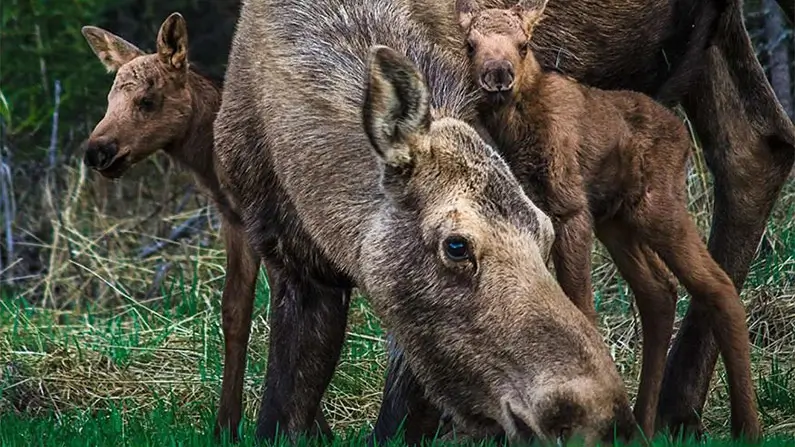
Female moose, known as cows, typically give birth to one or two calves during May or June. At birth, a calf weighs on average 8–15 kilograms (about 18–33 pounds) and grows at an astonishingly fast pace during its first months of life. Despite this rapid growth, calves remain highly vulnerable, with limited ability to run or defend themselves against predators.
During this critical period, the mother plays a vital role by protecting and nourishing her young. Calves usually stay close to their mother for about one to one and a half years, gradually becoming more independent as they prepare to survive on their own in the forest. [source]
You may also like
7 Moose are born natural swimmers…
Moose are born with a natural ability to swim, much like many other animals such as dogs and cats. It’s not uncommon to see them enter lakes or rivers and swim at speeds of up to about 10 km/h (around 6 mph). Even calves possess this innate swimming ability, although they are not as fast as fully grown adults.
Swimming is an important survival skill for moose, especially when they need to cross waterways or escape predators. [source]

8 Moose teeth wear down so much that some starve…
As moose age, their teeth experience significant wear and breakage, which can reduce their ability to chew food effectively. Older individuals with badly worn or damaged teeth often struggle to process enough food to meet their needs. In extreme cases, this can lead to poor body condition and an increased risk of starvation, even when vegetation is abundant. Scientists have documented extensive tooth wear and damage in moose populations, suggesting that oral health can influence survival and mortality in older animals. [source]

You may also like
9 A moose calf gains about 0.5–1 kilogram (1.1–2.2 pounds) per day…
Moose calves grow remarkably fast after birth. During their first months, a calf gains roughly 0.5 to 1 kilogram per day (about 1.1–2.2 pounds). For the first 7–8 months, the calf feeds on its mother’s milk before gradually transitioning to solid food and becoming more independent—although it typically remains with its mother for one to one and a half years.
A fully grown moose—specifically a bull (male)—can weigh between 300 and 600 kilograms (about 660–1,320 pounds). Cows (females) are generally smaller, usually weighing 200 to 400 kilograms (around 440–880 pounds). [source]
10 This is how moose sleep…
Moose sleep lying down, usually choosing quiet, sheltered locations where they can rest undisturbed. These spots are often found in dense forest, near streams, or close to wetlands, where cover is plentiful. While resting, a moose may remain lying down for several hours at a time, yet it stays alert and ready to flee if it senses danger.
It is common for moose to sleep during the day and become more active at night—an adaptation that helps them better fit their environment and reduce the risk of encountering predators. [source]
You may also like
Xtra Moose are quiet—but they communicate more than you think…
Although moose are generally not highly vocal animals, they do use a range of sounds to communicate, especially during social interactions. During the mating season, bulls produce low-frequency grunts, croaks, or moans that can travel through dense forest and convey information about dominance and readiness to mate. Female moose and calves also make softer vocalizations, such as moans or contact calls, particularly when communicating with each other. These subtle sounds are an important part of their communication, even if they are rarely heard by casual observers. [source]
5 Frequently Asked Questions About Mooses
They are the largest members of the deer family. Adult males can reach shoulder heights of over 2 meters (about 6.6 feet) and weigh up to 600 kilograms (around 1,320 pounds), making them true giants of the forest.
They are found across the Northern Hemisphere, mainly in boreal forests, wetlands, and cold regions of North America, Scandinavia, and parts of Russia.
They are generally not aggressive, but they can become very dangerous if threatened, especially during mating season or if a cow is protecting her calves. Most incidents happen when people get too close.
They are herbivores that feed on leaves, twigs, bark, aquatic plants, and shrubs, consuming large amounts of vegetation every day to sustain their size.
Antlers are primarily used during the mating season to compete with other males and to display strength and dominance. They are shed and regrown every year.