Apple is known for its innovative products and its famously secretive way of doing business. Despite the company’s enormous success, there are many intriguing — and sometimes controversial — details that rarely reach the public eye. Here, we highlight ten surprising facts about Apple that the company would rather keep hidden. From undisclosed agreements to little-known internal operations, these revelations offer a glimpse into the lesser-known side of one of the world’s most influential technology giants.
1 The slave-like conditions on the factory floor…
There have been documented reports and investigations highlighting working conditions at certain factories manufacturing Apple products in China. Critics have raised serious allegations of harsh and unethical labor practices, including overworked employees, inadequate health and safety measures, and wages described as slave-like. There have also been reports of employee suicides at some of these factories, which have drawn significant international attention.
In 2016, China Labor Watch reported ongoing issues related to working conditions at factories producing Apple products. These findings fueled a broader debate about ethics, accountability, and responsibility within the global supply chains of major technology companies like Apple. While Apple has attempted to address these concerns by introducing strict labor standards and conducting supplier audits, critics continue to point out persistent challenges and shortcomings in this area. [source]
2 Environmental damage linked to Apple’s factories and pollution fines in China…
Apple has faced environmental damage issues and pollution-related penalties in China. In 2014, reports emerged accusing Apple of environmental violations due to pollutant emissions from factories manufacturing its products. These allegations and reports of environmental harm sparked concern and criticism regarding Apple’s environmental practices.
While Apple has emphasized its commitment to sustainability and reducing its carbon footprint, there have been reports and criticism suggesting the company does not always live up to these ideals, particularly in relation to its manufacturing operations in countries such as China. It is important to note that Apple has taken steps to reduce its environmental impact, including investments in renewable energy and efforts to cut operational emissions. However, challenges and unanswered questions remain surrounding the company’s overall environmental footprint and long-term sustainability strategies. [source]

3 The company’s “secret police” protecting top-secret projects and prototypes…
Apple is known for taking its top-secret projects and prototypes extremely seriously. The company is said to maintain a highly secretive internal security operation, sometimes referred to as a “secret police“, tasked with protecting confidential information from both the public and unauthorized employees.
There have also been persistent rumors claiming that Apple has, on at least one occasion, imitated the San Francisco police to carry out a “raid” on a private residence, where an employee was suspected of hiding prototypes. Neither we nor publicly available sources can confirm or deny that such an incident actually occurred, but the story has continued to circulate as an example of Apple’s intense culture of secrecy. [source]
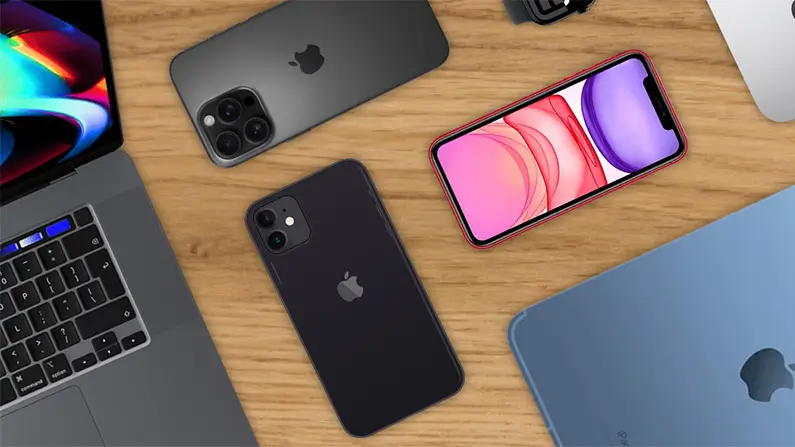
4 You can buy brand-new “refurbished” products from Apple with the same warranty…
You can purchase refurbished computers, phones, and other devices directly from Apple with the same one-year warranty as brand-new products, but at a significantly lower price. What many people don’t realize, however, is that the majority of Apple’s “refurbished” products have never actually been used.
In many cases, these items are simply customer returns that were sent back unopened or unused. Of course, there are situations where devices have undergone genuine refurbishment, but a large portion of the refurbished products sold by Apple are essentially brand new, having only been returned by customers. [source]
5 Some Apple manufacturing processes have been reported to cause cancer…
There have been reports of work-related health risks, including cases of cancer, among workers at certain factories producing Apple products in China. Some of the chemicals and manufacturing processes used in the production of iPhone electronics may pose serious health risks if they are not handled properly or if workers are not adequately protected.
It is well known that certain chemicals used in electronics manufacturing can be carcinogenic or otherwise harmful when exposure occurs over long periods. Workers involved in these processes may therefore be at increased risk of developing serious health conditions, including cancer, if sufficient safety measures are not in place.
Although Apple has introduced guidelines and requirements for its suppliers aimed at protecting worker health and safety — including restrictions on hazardous chemicals and mandatory workplace standards — criticism and reports have emerged suggesting gaps in the implementation of these measures at some factories. [source]
6 Apple would rather you didn’t know how far it goes to avoid paying taxes…
Over the years, there have been numerous reports and controversies surrounding Apple’s tax practices, including allegations of aggressive tax avoidance. Apple has been criticized for using complex tax structures and low-tax jurisdictions to minimize its tax obligations, allowing the company to pay significantly less tax in certain countries.
One of the most high-profile cases involved Apple’s tax arrangements in Ireland, where the company was accused of benefiting from illegal tax advantages. In 2016, the European Commission ordered Apple to repay up to $14 billion in unpaid taxes to Ireland, triggering a lengthy legal battle that attracted global attention.
While Apple has consistently defended its tax practices, stating that it complies with all applicable laws and regulations, critics continue to argue that the company’s tax strategies are unfair and that Apple should pay its fair share of taxes. The debate surrounding Apple’s tax practices remains complex and highly controversial, raising broader questions about corporate responsibility and the global economic impact of large multinational companies. [source]

You may also like
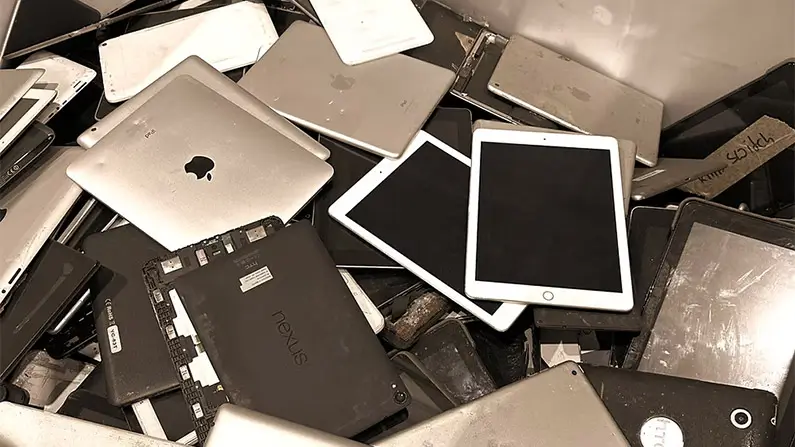
7 Apple has repeatedly been accused of designing its products around planned obsolescence…
The concept of planned obsolescence is well known and frequently discussed in connection with technology companies such as Apple. The idea behind planned obsolescence is to design products with a limited lifespan, making them outdated or less functional after a certain period of time or following the release of newer models. This strategy is believed to encourage consumers to replace their devices more frequently.
There are numerous examples of this practice within the electronics industry, including smartphones, computers, and other consumer technology. Over the years, reports and accusations have suggested that some companies — Apple among them — may have adopted business models that rely on planned obsolescence to boost sales of new products and sustain long-term consumption.
While it is not always easy to prove whether a specific company deliberately uses planned obsolescence as a strategy, critics and consumers alike argue that clear signs of this behavior exist in certain industries. Apple has repeatedly been pointed out in these discussions as an example where questions about product longevity and intentional design choices continue to spark debate. [source]
8 Why you should never rush to buy the latest product at full price…
Apple is one of the most heavily hyped technology companies in the world, and as a result, many consumers are eager to buy the latest products as soon as they are released. However, as a consumer, it often makes sense to slow down before purchasing newly launched tech products, including those from Apple — and the reason is actually quite simple.
First-generation products frequently suffer from “teething problems”, including bugs, performance issues, and design flaws that are typically fixed in later versions. Waiting for an updated model can result in a more reliable and refined product. In addition, prices tend to drop significantly over time. By waiting a year, consumers can often purchase the same device at a much lower cost.
While early Apple products like the first iPhone and iPod were truly groundbreaking, today’s smartphones are far more mature, and the differences between generations are often far less dramatic than they once were. [source]
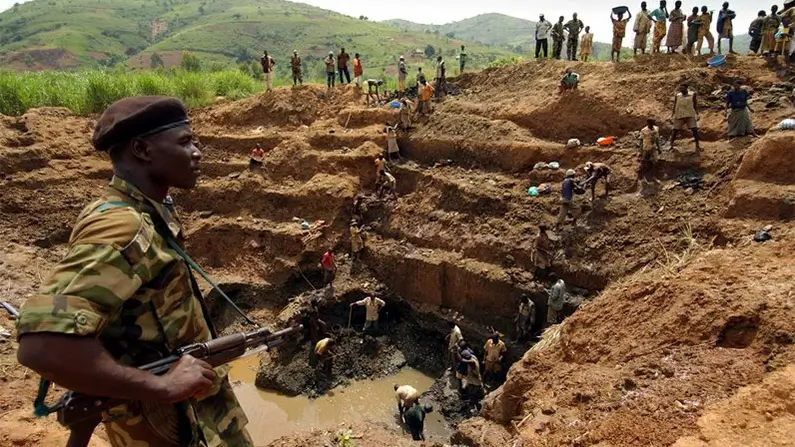
9 The metals in your smartphone may come from conflict zones — so-called “conflict minerals”…
Coltan is an important source of tantalum, a metal used in various electronic components, including those found in smartphones. Coltan is mined in several regions, including the Democratic Republic of the Congo, a country that has been severely affected by war and armed conflict. Minerals extracted from such regions are often referred to as “conflict minerals“, as their trade can finance armed groups and contribute to human rights abuses.
Apple is among the companies that have used coltan and other conflict minerals in their products. In recent years, however, the company has made significant efforts to improve transparency and responsibility within its supply chain. Apple has introduced strict guidelines and reporting requirements for its suppliers to help ensure that the minerals used in its products do not contribute to armed conflict. The company also publishes annual reports detailing its progress toward using conflict-free minerals and works with independent third-party organizations to certify its supply chain.
Despite these measures, fully guaranteeing conflict-free sourcing remains a major challenge due to the complexity of global supply chains. There is still room for improvement when it comes to transparency and accountability, and Apple continues to work toward more sustainable and ethical sourcing of raw materials. However, it can never be completely guaranteed that the metals found in Apple products do not originate from conflict-affected regions. [source]
10 Archrivals Apple and Google once had a “no-hire pact” to protect their companies…
There have been reports of a “no-hire pact” among major technology companies in Silicon Valley, and one of the most well-known agreements was allegedly between Apple and Google. This arrangement was part of a broader set of agreements among several companies to avoid recruiting each other’s employees, commonly referred to as “anti-poaching agreements“.
However, these agreements eventually became the subject of legal scrutiny. In 2010, the U.S. Department of Justice (DOJ) launched an investigation and concluded that such arrangements violated antitrust laws. The companies involved were forced to dissolve their agreements and pledged not to enter similar deals in the future.
Despite this, many believe that similar arrangements may still exist, operating informally and out of public view. This case remains one of many examples of how anti-competitive practices can negatively affect the labor market, including limiting employee mobility and suppressing wages. [source]
5 Common Questions About Apple
Apple products are often more expensive due to premium materials, custom-designed hardware, and long-term software support. The price also reflects brand value, ecosystem integration, and strong resale value, which many consumers consider part of the overall cost.
Apple has denied deliberately using planned obsolescence, but the company has faced criticism and lawsuits related to product longevity, battery performance, and software updates. The debate remains ongoing, with critics arguing that certain design choices may encourage more frequent upgrades.
Most Apple products are designed in the United States but manufactured primarily in China, with additional production in countries such as India and Vietnam. Apple relies on a global supply chain involving hundreds of suppliers worldwide.
Apple has made significant investments in renewable energy and sustainability initiatives, and claims its corporate operations are carbon neutral. However, critics argue that manufacturing and supply-chain emissions remain a major challenge, making Apple’s environmental impact a complex and debated topic.
Whether Apple is better than Android depends on personal preference and use case. Apple is often praised for ease of use, security, and ecosystem integration, while Android is known for greater customization and device variety. Neither platform is objectively better for everyone.