

When something goes wrong, the consequences can be enormous — but some mistakes have been so costly that they’ve earned a place in the history books. From technical failures and human errors to natural disasters worsened by human impact, there are events that have resulted in staggering financial losses. In this article, we take a closer look at ten of the most expensive disasters in history, and what actually caused the final bill to become so overwhelming.
10 The Prestige Disaster – Estimated cost: 1 billion dollars…
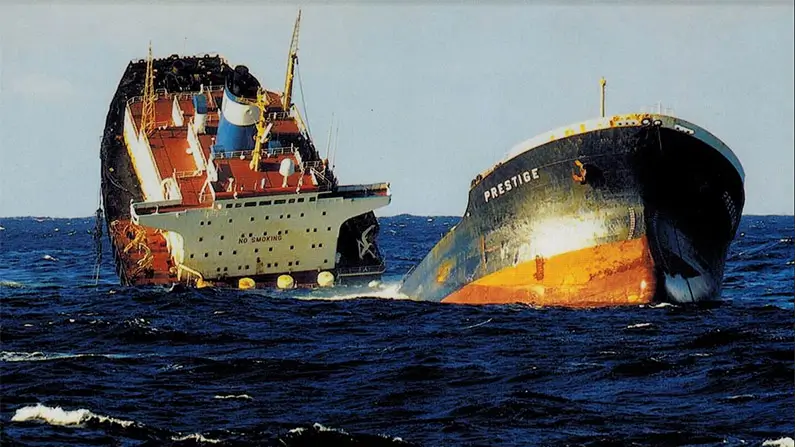
In 2002, the oil tanker Prestige sank off the northern coast of Spain, leaking around 77,000 tons of oil. The spill polluted large stretches of coastline and severely impacted local fishing and tourism industries. Cleanup efforts and economic consequences are estimated to have cost around 1 billion dollars.
In addition to the extensive cleanup expenses, the fishing industry and other local businesses suffered heavily, with an estimated 2.5 billion dollars in lost income. [source]
9 The Costa Concordia Disaster – Estimated cost: 2 billion dollars…
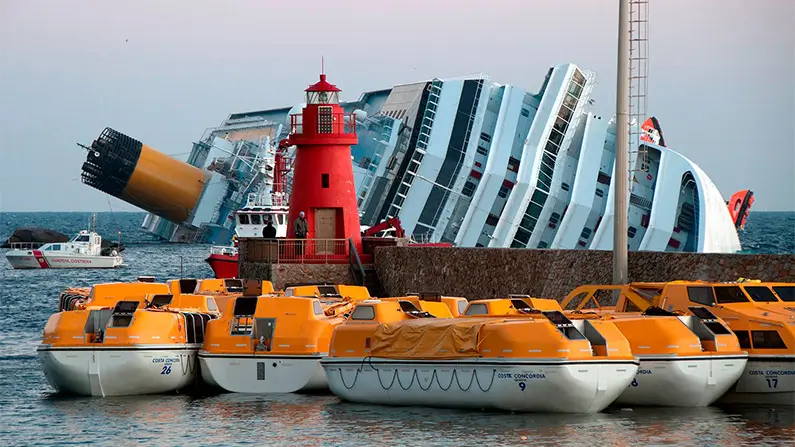
In January 2012, the luxury cruise ship Costa Concordia capsized off the coast of Italy after running aground. The accident claimed 32 lives, and the salvage operation became one of the most extensive and expensive ever undertaken. With compensation payments, salvage efforts, and legal costs, the total damage is estimated to have exceeded 2 billion dollars. [source]
8 The Bhopal Disaster – Estimated cost: 3 billion dollars…

In December 1984, one of the world’s worst industrial accidents occurred when a pesticide plant in Bhopal, India, leaked the highly toxic gas methyl isocyanate over the surrounding residential area. Thousands of people died within days, and hundreds of thousands suffered lifelong health problems.
The company Union Carbide (now owned by Dow Chemical) paid around 470 million dollars in compensation, but the long-term costs of cleanup, medical care, and economic devastation are estimated to exceed 3 billion dollars. The Bhopal disaster remains one of the world’s most tragic examples of the consequences of inadequate industrial safety. [source]
7 The Piper Alpha Disaster – Estimated cost: 3.4 billion dollars…
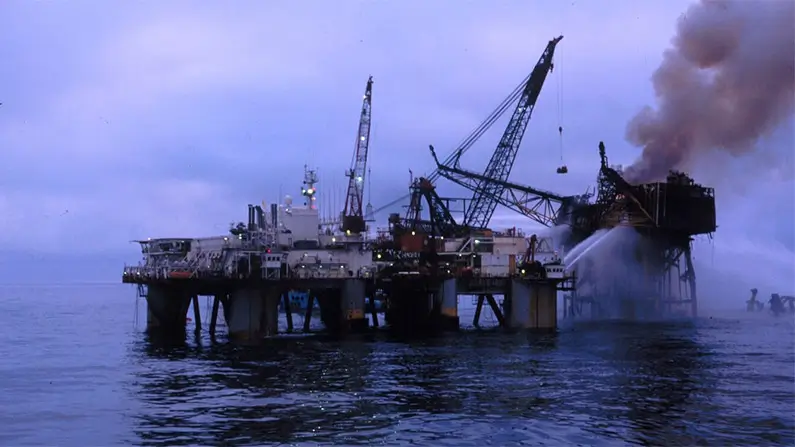
In July 1988, one of the worst offshore industrial disasters in history occurred when a series of explosions rocked the Piper Alpha platform in the North Sea. A total of 167 workers lost their lives, making the incident the deadliest offshore accident ever recorded. The platform was completely destroyed, and the consequences were immense: legal costs, compensation payments, and the long-term production shutdown amounted to roughly 3.4 billion dollars. The disaster also led to sweeping changes in safety regulations across the global oil industry. [source]
6 The Exxon Valdez Environmental Disaster – Estimated cost: 4.4 billion dollars…
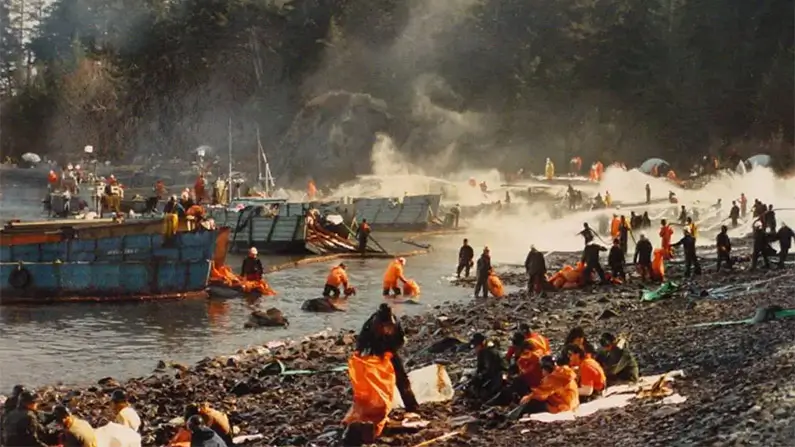
On March 24, 1989, the oil tanker Exxon Valdez ran aground on Bligh Reef in Prince William Sound, Alaska, spilling around 40 million liters of crude oil into the ocean. The spill became one of the worst environmental disasters in U.S. history. Hundreds of thousands of seabirds, seals, sea otters, and fish died, and the region’s ecosystem suffered massive damage that still affects wildlife populations and the natural environment today.
The local fishing industry was hit hard, and many coastal communities lost their primary source of income for years. Exxon was forced to pay billions of dollars in cleanup costs, fines, and legal settlements — yet long-term environmental effects remain that have never been fully remedied. [source]
5 The Challenger Disaster – Estimated cost: 5.5 billion dollars…
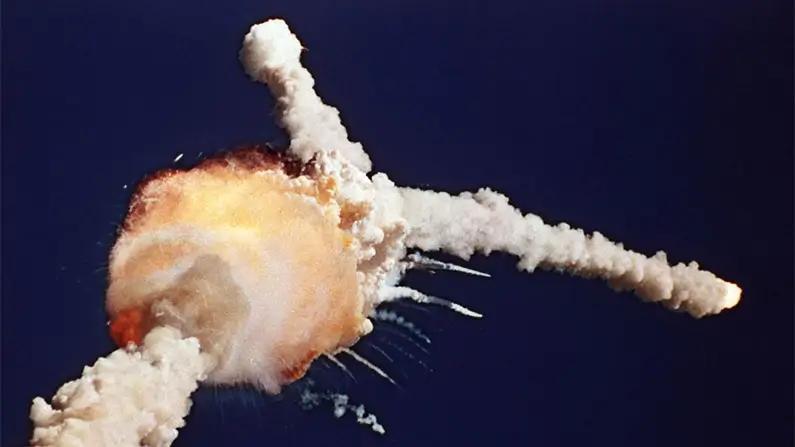
Many major accidents occurred during the 1980s, and on January 28, 1986, one of the most shocking space catastrophes in U.S. history took place when the Space Shuttle Challenger broke apart just 73 seconds after liftoff. All seven crew members lost their lives. The subsequent investigation concluded that the failure was caused by a defect in the so-called O-rings in the rocket boosters — a technical issue engineers had previously warned about but which had never been fully addressed.
Beyond the tragic loss of life, the disaster had enormous consequences for NASA. The shuttle program was put on hold for nearly three years as the agency underwent extensive safety reviews, technical redesigns, and structural reforms. The total economic impact — including investigation costs, redesign of rocket systems, and canceled or delayed missions — amounted to an estimated 5.5 billion dollars. The Challenger accident reshaped the entire U.S. space program and became a strong reminder of the risks inherent in human spaceflight. [source]
4 The 2010 Gulf of Mexico Oil Spill – Estimated cost: 65 billion dollars…

Now we’re reaching truly staggering sums. In April 2010, the Deepwater Horizon oil platform exploded in the Gulf of Mexico. The accident killed eleven workers and led to the largest marine oil spill in history. For 87 days, oil continued to gush into the ocean, causing immense devastation to marine life and to the coastal communities that depend on fishing and tourism.
The consequences were catastrophic: environmental damage spread across vast ocean areas, and the cleanup operation became one of the most extensive ever undertaken. BP, the oil company held responsible for the disaster, was forced to pay for cleanup, environmental fines, legal actions, and compensation to businesses and private individuals. The total cost is estimated to have exceeded 65 billion dollars, making the Deepwater Horizon disaster one of the most expensive industrial catastrophes of all time. [source]
3 The Fukushima Disaster – Estimated cost: 202 billion dollars…
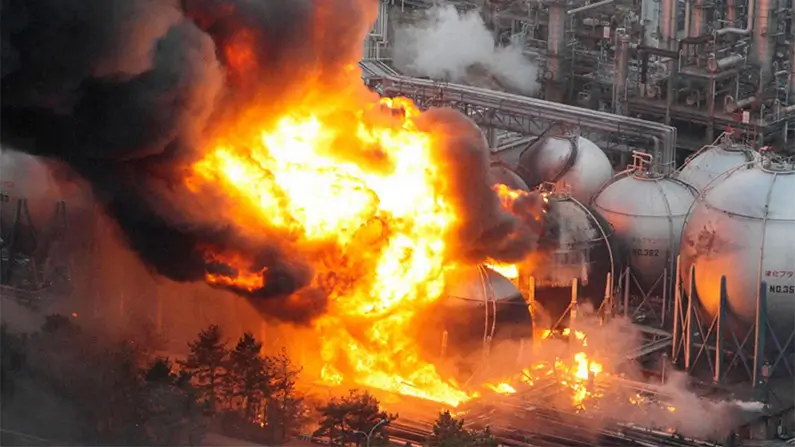
The Fukushima disaster in 2011 was triggered by the massive earthquake and tsunami that struck Japan in March of that year. At the Fukushima Daiichi nuclear power plant, the damage led to core meltdowns in three reactors, extensive releases of radioactive material, and one of the most serious nuclear accidents in history. Tens of thousands of people were evacuated, and large areas remain contaminated and uninhabitable to this day.
The economic consequences were immense. The costs of cleanup, compensation, long-term decommissioning of the damaged reactors, and the broader societal impact are estimated to reach hundreds of billions of dollars. This makes the Fukushima disaster the second most expensive nuclear catastrophe in history, surpassed only by Chernobyl. [source]
2 The Chernobyl Disaster – Estimated cost: 235 billion dollars…
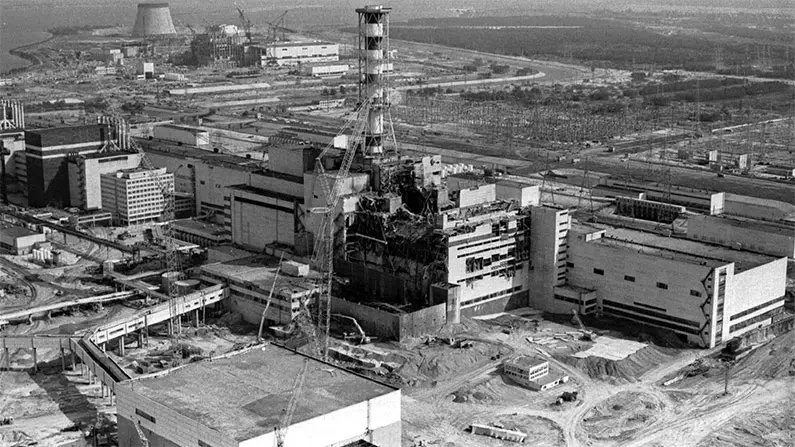
Back to the 1980s again: on April 26, 1986, Reactor 4 at the Chernobyl nuclear power plant in Ukraine (then part of the Soviet Union) exploded. The explosion and resulting fire released enormous amounts of radioactive material into the atmosphere, spreading fallout across large parts of Europe. More than 300,000 people were forced to evacuate their homes, and the area surrounding the plant remains a deadly exclusion zone.
The consequences were devastating and will span multiple generations. The costs of cleanup, compensation, healthcare, environmental damage, and lost economic production have become astronomical. Taken together, these factors make Chernobyl the most expensive man-made disaster in history — a dark monument to what can happen when safety systems fail at nuclear facilities. [source]
1 The 2011 Tōhoku Earthquake – Estimated cost: 360 billion dollars…
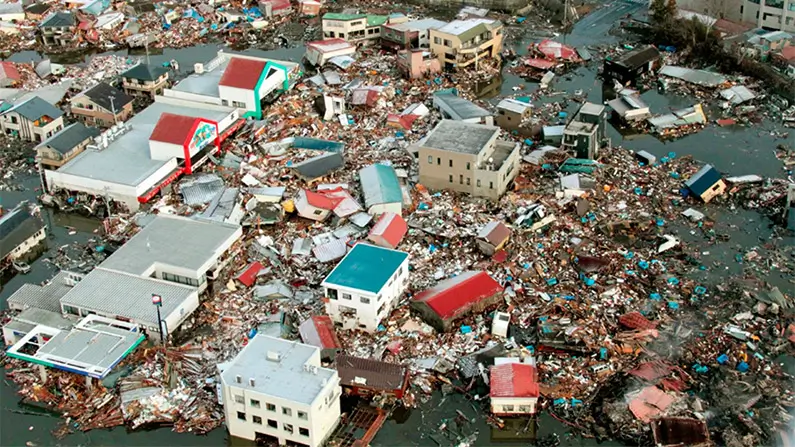
The massive earthquake and tsunami that struck Tōhoku in March 2011 is the most expensive natural disasters ever recorded. The powerful quake caused immense destruction along Japan’s northeastern coast and was followed by a devastating tsunami that obliterated entire towns, ports, and infrastructure. The disaster also triggered the Fukushima nuclear accident, which further worsened both the humanitarian and economic consequences.
Reconstruction took years and affected the country on every level — from local communities and industries to energy policy and national security. The total economic cost for Japan is estimated at around 360 billion dollars, making the Tōhoku disaster one of the most expensive natural catastrophes in human history. [source]