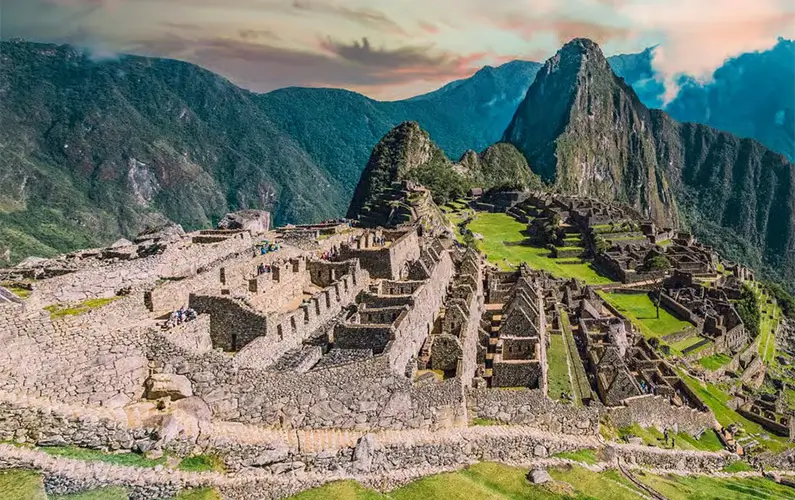
Machu Picchu, the legendary Incan ruin high in the Peruvian Andes, continues to captivate people around the world with its mystery and beauty. Perched atop a mountain ridge surrounded by breathtaking views and lush greenery, this ancient citadel stands as one of the most impressive archaeological wonders on Earth. Built in the 15th century and later abandoned, Machu Picchu was rediscovered in 1911 by the American explorer Hiram Bingham. Despite its popularity and extensive research, many aspects of this historic site remain little known to the public. Here are 10 fascinating facts about Machu Picchu that you probably haven’t heard before!
1 What exactly is Machu Picchu, and why was it built…?
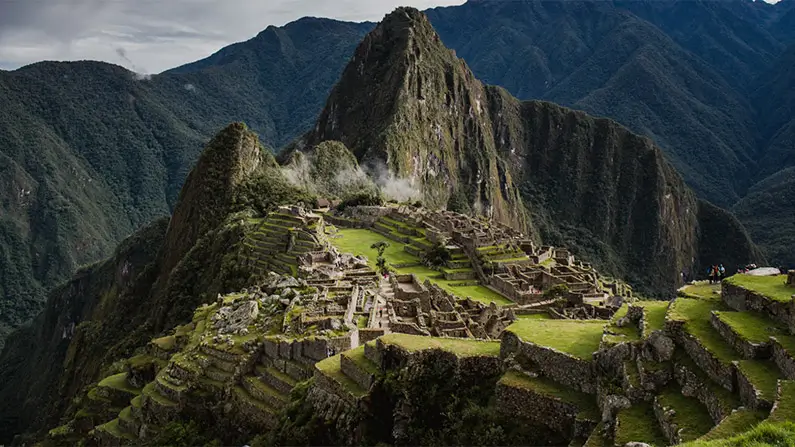
Machu Picchu is an ancient Incan ruin located high in the Andes Mountains of Peru, roughly 2,430 meters above sea level. The site was rediscovered in 1911 by the American archaeologist Hiram Bingham and has since become one of the world’s most famous archaeological landmarks and a UNESCO World Heritage Site.
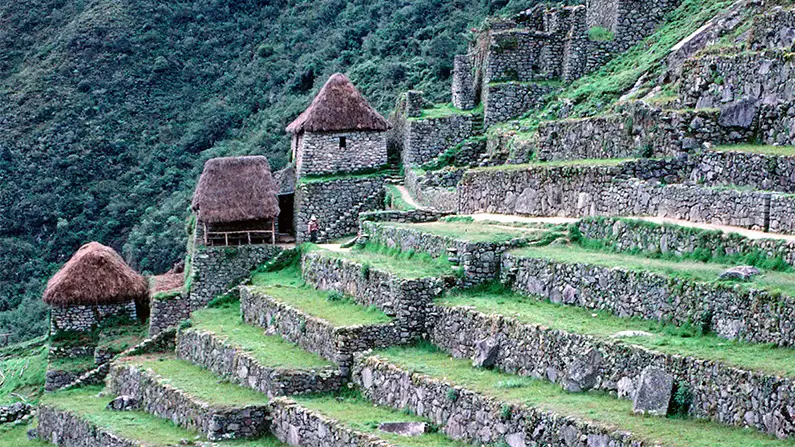
Machu Picchu is a remarkably well-preserved Incan complex consisting of more than 150 structures, including temples, sanctuaries, residences, and agricultural terraces. It is renowned for its sophisticated stonework, where massive stones are fitted together with astonishing precision without the use of mortar — a technique that has helped the buildings withstand centuries of weathering.
Machu Picchu is believed to have been built in the 15th century by the Incan ruler Pachacutec as a royal estate or retreat. Its strategic location and impressive architecture suggest that it played an important role in the empire’s religious, political, and administrative activities.
The site’s exact purpose remains a topic of ongoing research and debate, but its extraordinary architecture and historical significance make it one of the most fascinating archaeological sites in the world. [source]
2 Have you ever wondered what Machu Picchu actually means…?
The name “Machu Picchu” comes from the Quechua language, spoken by the Inca people. In Quechua, “Machu” means old and “Picchu” means mountain, translating to “Old Mountain“. The name truly captures the ancient grandeur of this iconic site. So next time someone marvels at the mountains of Machu Picchu, you can impress them with this little linguistic gem! [source]
3 This is why we can’t say for certain why Machu Picchu was built…
The Inca people had no writing system, so there are no written records about the individuals who lived at the site. Most archaeologists believe that Emperor Pachacuti had Machu Picchu constructed as a royal estate. However, other theories suggest that it may have served as a refuge for high-ranking religious leaders and scholars within the Inca Empire. The exact function and purpose of Machu Picchu remain subjects of ongoing research and debate. It’s likely that we will never have a definitive answer as to why it was built. [source]

You may also like
4 This is how Machu Picchu was built…
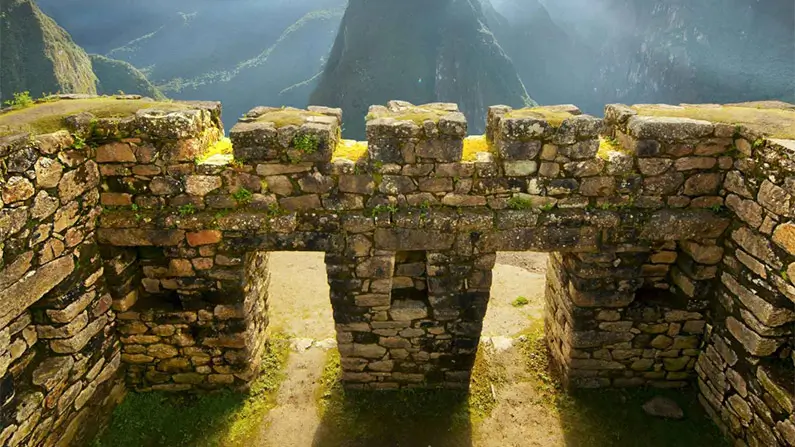
The Inca were highly skilled engineers and constructed the entire citadel without using mortar. Instead, they used a special technique called ashlar, in which stones are cut so precisely that they fit together without any gaps (see the image below). The craftsmanship is so exact that you can’t even slip a sheet of paper between the stones. This incredible precision contributes to the remarkable durability and stability of Incan architecture, which has withstood the test of time—and numerous earthquakes—for centuries. [source]
5 There are even theories claiming that aliens built Machu Picchu…
Some amateur researchers believe that extraterrestrials constructed the Incan site. To them, it seems unthinkable that a civilization without iron tools, draft animals, or even the wheel could have hauled such massive stones up the mountain and built such magnificent structures. However, archaeologists and scholars agree that the Inca, with their impressive engineering techniques and use of human labor, were more than capable of constructing the site without assistance from external (or extraterrestrial) forces. What do you think? [source]
6 This is why the Peruvian government has banned helicopter flights over the Incan site…
For a brief period in the 1990s, the Peruvian government allowed helicopter flights over the ancient citadel. However, these flights caused damage to the native flora and fauna, leading to the swift prohibition of such tours. Since then, the entire area has been designated a no-fly zone to protect its fragile environment. [source]
You may also like
7 This is why the Peruvian government has banned helicopter flights over the Incan site…
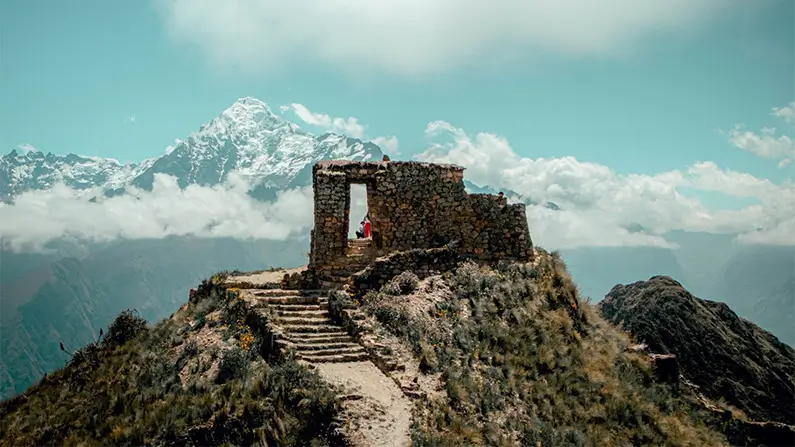
Inti Punku, also known as the “Sun Gate” (as seen in the image below), served as one of the primary entrances to Machu Picchu. This site held deep religious and ceremonial importance for the Inca, particularly because the sun passes directly through the gate each year during the summer solstice.
Today, most tourists enter the ruins through the turnstiles near the main terraces, but historically, Inti Punku was an important gateway to the city. [source]
8 ‘Naked tourism’ at Machu Picchu caused a nationwide stir…
There were several incidents of so-called ‘naked tourism‘ at the Incan site in 2014. A handful of tourists were detained after stripping down and taking nude photos in front of the ruins. This prompted various Peruvian cultural officials and directors to speak out, reminding visitors that nudity was inappropriate at this sacred site and would undoubtedly offend other travelers. The incident attracted significant attention and became a clear example of unacceptable behavior at Machu Picchu, a place held in deep respect by both locals and international visitors for its historical and cultural importance. [source]

You may also like
9 How many people actually lived in Machu Picchu…?
The question of how many people lived in Machu Picchu during its period of use remains a subject of academic debate, and estimates vary. Some archaeologists have suggested that the population may have been around 500 to 750 people, while other estimates propose different numbers.
Evidence from archaeological studies and the site’s layout indicates that Machu Picchu was likely inhabited by a relatively small community whose members fulfilled various roles within the settlement. These included agriculture, construction, religious activities, and supporting the needs of the ruling elite. Due to its remote location and its function as a royal estate or ceremonial center, the site likely supported a smaller population compared to some of the larger cities within the Inca Empire. [source]
10 We still don’t really know why Machu Picchu was abandoned…
The abandonment of Machu Picchu remains a mystery for historians and archaeologists. Once an important royal retreat and ceremonial center for the Inca, the site was deserted sometime in the late 15th century, shortly before the Spanish conquest of Peru.
Several theories have been proposed to explain why it was left behind. Epidemic diseases, political turmoil, and ecological factors affecting resource availability may all have played a role. Economic shifts and internal conflicts within the Inca Empire could also have contributed to the decision to abandon the site.
Despite the uncertainty surrounding its abandonment, Machu Picchu remains a powerful symbol of the Inca Empire’s grandeur and continues to attract visitors and researchers from around the world with its enigmatic mysteries and rich historical legacy. But as for why the site was deserted, we will likely never have a definitive answer. [source]

You may also like
5 Common Questions About Machu Picchu
The exact purpose remains uncertain, but most researchers believe Machu Picchu was a royal estate or ceremonial site for Inca emperor Pachacuti, used for rituals, astronomy, and seasonal gatherings.
Machu Picchu was built in the mid-1400s, during the height of the Inca Empire. That means the site is over 550 years old.
There is no definitive answer, but historians think it was abandoned during the Spanish conquest, likely due to disease, political instability, or strategic retreat.
In 1911, explorer Hiram Bingham was guided to the site by local farmers. Machu Picchu was never truly lost, but Bingham’s visit brought global attention to the ruins.
Yes. Access is limited, and visitors must book tickets in advance due to daily capacity rules that help protect and preserve the archaeological site.