Archaeology is about uncovering our past by excavating and interpreting objects, structures, and skeletons that have been buried in the ground for centuries — sometimes even thousands of years. But some discoveries are so unexpected and astonishing that they not only change the way we view history, but also leave us completely speechless.
In this article, we will explore 10 of the most shocking archaeological finds that have fascinated and puzzled researchers around the world.
1 The cave in Spain that was filled with human bones…
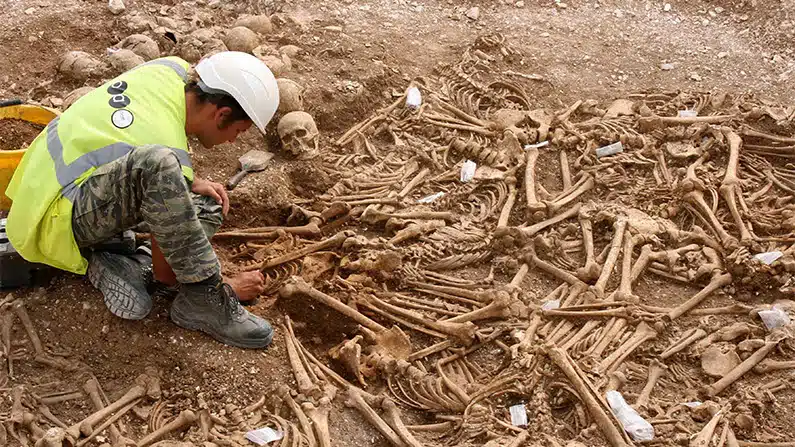
In Sima de los Huesos, a cave in the Atapuerca Mountains of Spain, archaeologists discovered the remains of 28 humans in 1987, dating back roughly 430,000 years. One of these skeletons showed clear signs of having been murdered. Researchers reconstructed a skull that revealed two distinct fractures, most likely caused by repeated blows from a blunt object, such as a stone or spear. This makes it the oldest known evidence of human violence — and murder — in history. [source]
2 Life does not seem to have been easy for exotic animals in Ancient Egypt…
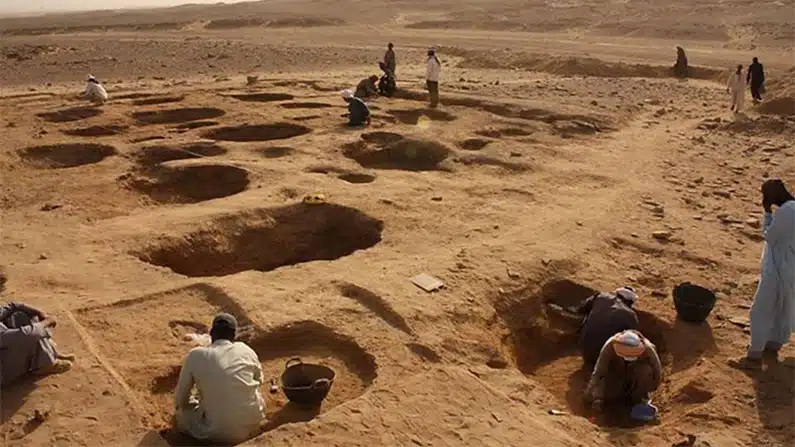
Hierakonpolis (modern-day Kom el-Ahmar), an important city in ancient Egypt that flourished around 5,000 years ago, is known for being a place where wealthy residents kept exotic animals as a status symbol. Excavations of graves in Hierakonpolis have revealed skeletons of animals such as elephants, baboons, and hippos. Researchers also observed that some of the skeletons showed signs of healed fractures, indicating that the animals had been kept in captivity and received care after injuries — likely due to being captured or restrained. This offers a rare glimpse into how these creatures were treated and what life in captivity looked like during this period.
Excavations in Hierakonpolis have continued for several decades. The first major discoveries about the city were made in the late 19th century. The specific findings of these exotic animal skeletons emerged during various excavation phases throughout the 20th and early 21st centuries. One of the most notable investigations revealing these animals took place in the early 2000s, led by the Hierakonpolis Expedition, an international team of archaeologists. [source]

You may also like
3 Why the Sinagua people abandoned Montezuma Castle remains a mystery for archaeologists — even after violent remains were found…
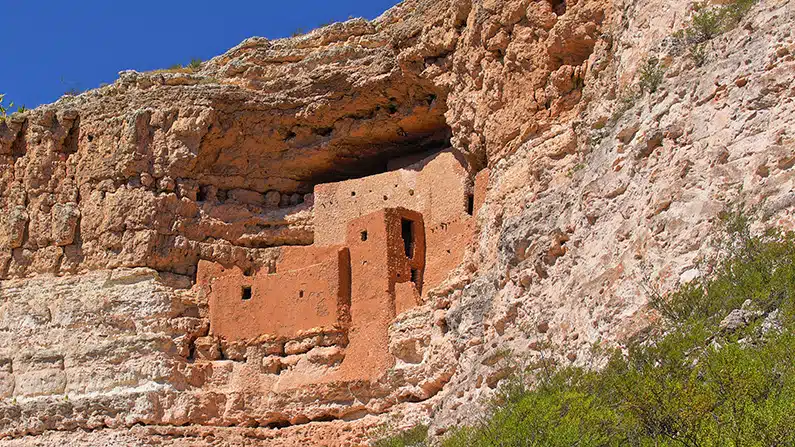
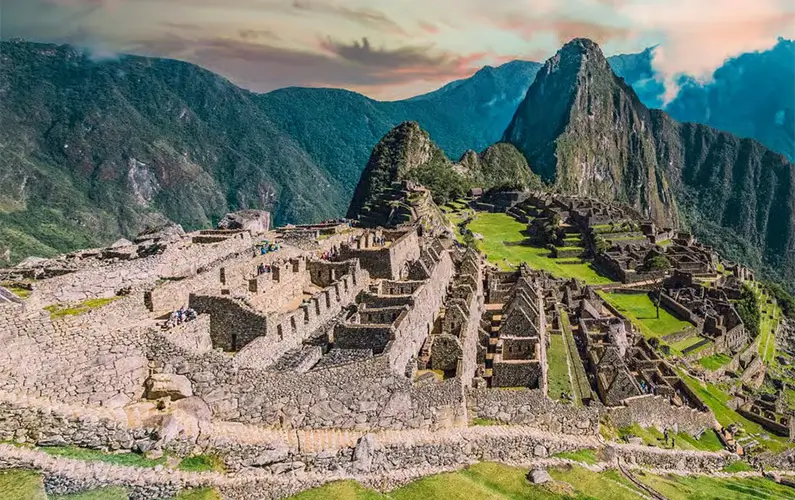
Montezuma Castle National Monument in Arizona is a remarkably well-preserved cliff dwelling built by the Sinagua people about 900 years ago. Archaeologists generally believe that the Sinagua left the area due to a combination of factors, such as drought and social changes.
Oral traditions from the Hopi and Tonto Apache include stories of conflicts and attacks, including the use of fire as a weapon. However, these accounts have not been fully proven through archaeological evidence. Some theories suggest that Montezuma Castle was abandoned as part of a larger regional migration, possibly triggered by warfare or shifting climate conditions.
The discovery of bodies in the 1930s showing signs of violence and burn marks indicates that conflict did occur, but the connection between these remains and any single catastrophic event that might have forced the Sinagua to flee remains speculative. What truly caused the Sinagua people to abandon Montezuma Castle will likely stay a mystery forever. But one thing is certain — it’s an impressive structure. Take a look at the image below! [source]
4 Previously unknown population genetically distinct from the ancestors of today’s Indigenous peoples discovered in Alaska…
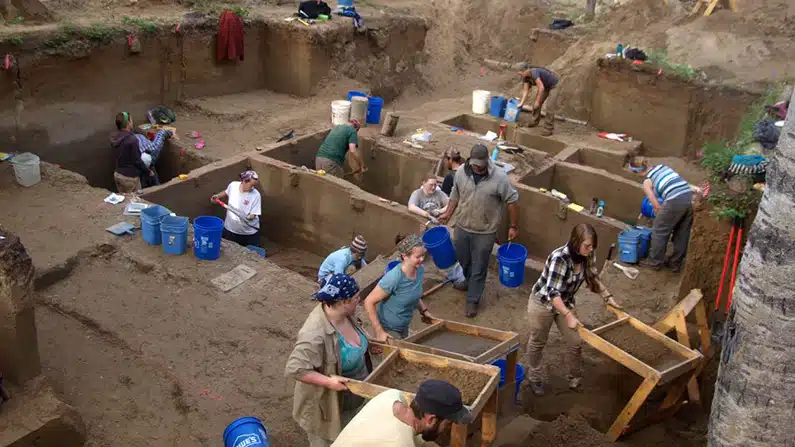
And while we’re still in the United States: in 2010, archaeologists working in the Upward Sun River region of Alaska uncovered a site where a three-year-old child had undergone a cremation ritual and been buried in a hearth. At the same site, the remains of two infants were found, who were given the Indigenous names Xach’itee’aanenh T’eede Gaay and Yełkaanenh T’eede Gaay.
DNA analysis revealed that the two infants had different mothers, yet shared notable genetic similarities with present-day Indigenous peoples of the Americas. Researchers also managed to reconstruct the entire genome of Xach’itee’aanenh T’eede Gaay, which revealed that she belonged to a previously unknown population known as the “Ancient Beringians.”
This group split genetically from the ancestors of modern Indigenous Americans around 20,000 years ago, providing groundbreaking insights into early human history on the continent. The discovery is often described as one of the most significant archaeological findings in American history related to human origins. [source]
5 The first known case of hepatitis B was found in Italy…
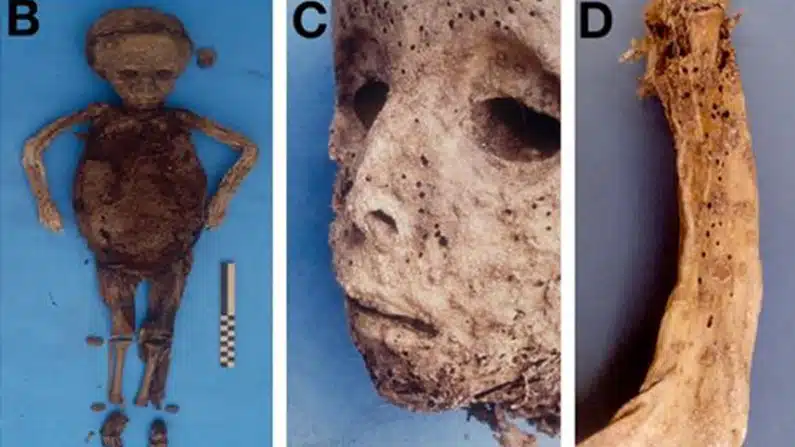
Researchers recently used advanced DNA sequencing on a 16th-century child mummy buried in Naples, Italy, to learn more about HBV (hepatitis B) and its history. This DNA evidence is the oldest known proof of the virus, suggesting that humans may have lived with HBV for hundreds of years — and may even have evolved alongside it.
Scientists had previously believed that the child suffered from smallpox, which would have made it the earliest known case of that disease. However, new analyses revealed that it was HBV — not smallpox — that caused the child’s severe facial lesions. This research highlights the challenges faced by archaeologists and scientists when identifying ancient diseases, as well as the risks they take when excavating old burial sites. [source]

You may also like
6 Teotihuacan: where humans and animals met the gods…
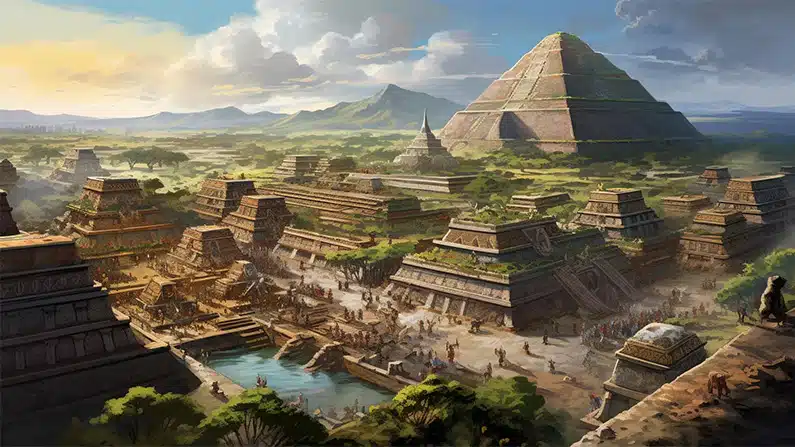
Archaeologists have found evidence of an enclosure or “pit” where wild animals such as jaguars, pumas, and lynxes were kept in Teotihuacan, an ancient Mesoamerican city. These animals were used in religious rituals, where they were sacrificed to the gods by priests.
The archaeological findings include animal bones showing that the creatures were fed a diet containing maize, a staple food of the region’s people. Researchers also discovered human remains mixed with the animal bones, suggesting that humans may have been offered to the animals in ritual contexts.
Artwork on the walls of Teotihuacan depicts animals consuming human hearts, further supporting the theory that people were brought into these “dens” to be sacrificed — either as punishment or as part of ceremonial practices. [source]
7 The hanging coffins of Hubei, China…
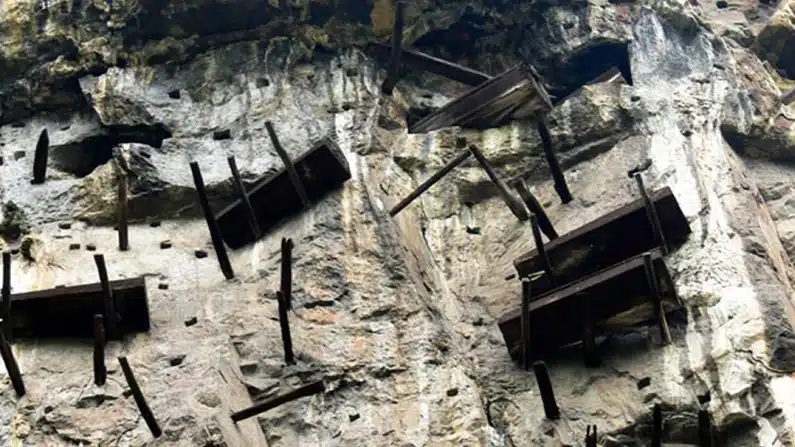
The “Cave of the Fairies” in Hubei, China, is a cave where archaeologists discovered what appear to be hanging coffins, linked to the ancient Bo people, who practiced this unusual burial tradition as part of their religious rituals. These ceremonies and constructions date back to around the 9th century AD.
The coffins were suspended to protect the dead from predators and to honor them. Many of these coffins have been destroyed over the years, often by people who did not understand their historical and cultural significance. [source]
8 The man with a knife for an arm…
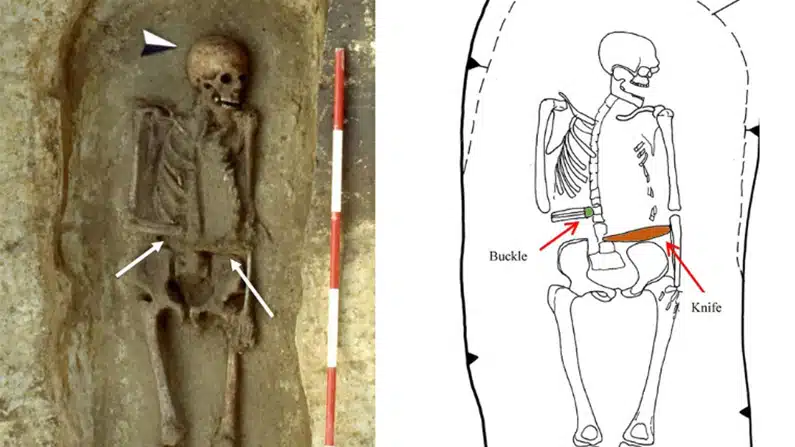
In 2018, archaeologists uncovered a mass burial site dating to the 6th–8th century AD in Italy, where they found the skeletal remains of several individuals — including one with a particularly unusual injury. This middle-aged man had an arm amputated below the elbow, and it had been replaced with a knife.
Examination showed that he had used the knife as a kind of prosthetic limb. Wear on his teeth and a distinctive bone ridge on his shoulder indicated that the knife had been strapped to his body with leather bindings, which he likely tightened using his mouth. The discovery of a buckle and other degraded materials near the knife supported this idea.
This remarkable find raises questions about the man’s life, his physical condition, and whether he may have been a warrior or lived another demanding lifestyle. It also offers a fascinating glimpse into medieval medical and cultural practices. The true reason why he had a knife for a forearm, however, will likely remain a mystery forever. [source]
9 The archaeological discoveries of “animal hybrids” that first shocked the world…
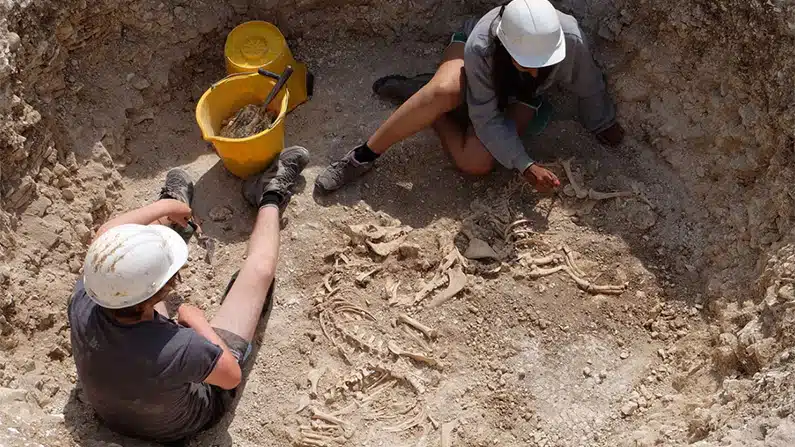
Archaeological excavations in Duropolis, Dorset, England, revealed an Iron Age burial site where skeletons of animals had been arranged in ways suggesting attempts to create hybrid creatures, reflecting elements of Celtic mythology and religious rituals.
The finds included animal skeletons assembled to form monster-like beings, such as a sheep with a bull’s head and a cow with horse legs. The most unusual discovery was a female human skeleton placed atop a large pile of animal bones, which may indicate a symbolic burial or a ritual sacrifice. Her head rested on a “bed” of animal skulls, and her legs lay on top of animal bones, pointing to ceremonial practices involving both humans and animals.
Archaeologists believe these burials may have been tied to religious ceremonies, with the animals and the human body forming part of the rituals intended to honor the dead or appease the gods. These findings offer a fascinating and deeper insight into Celtic culture and its relationship with mythological beings. [source]
10 The Skeleton Puzzle: A shocking discovery in Scotland’s peat bogs…
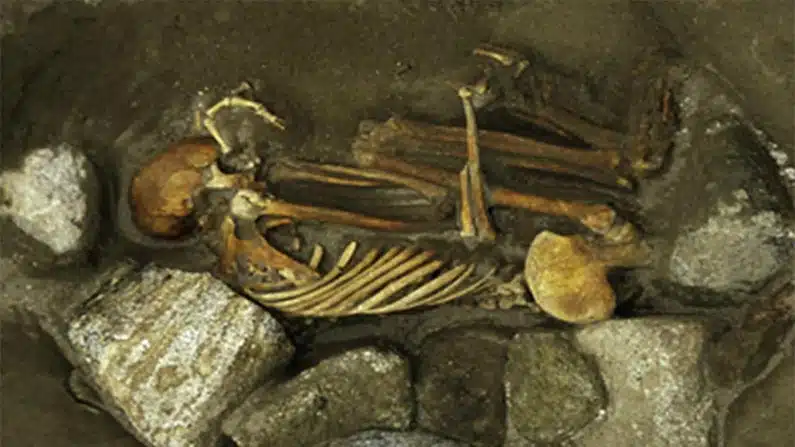
Animal hybrids aren’t the only type of hybrid ever found. During an excavation of a Bronze Age settlement in Scotland in 2001, archaeologists uncovered the 3000-year-old remains of a man and a woman who had been intentionally mummified by being stored in peat bogs, which naturally prevent decay.
Upon closer examination, researchers discovered that the skeletons were actually assembled from multiple different bodies. The so-called “woman” had a male skull, a female torso, and an unidentified arm, while the “man” was composed of bones from three different individuals. This strange mix of skeletal parts has sparked intense debate and speculation among scholars, as there is no clear explanation for why or how these composite bodies were created.
The discovery is a haunting reminder of the mysteries archaeology sometimes reveals, challenging our understanding of ancient cultures and their burial practices. It certainly sends a chill down the spine, doesn’t it? [source]
Xtra 80 bound skeletons with open mouths discovered just outside Athens…
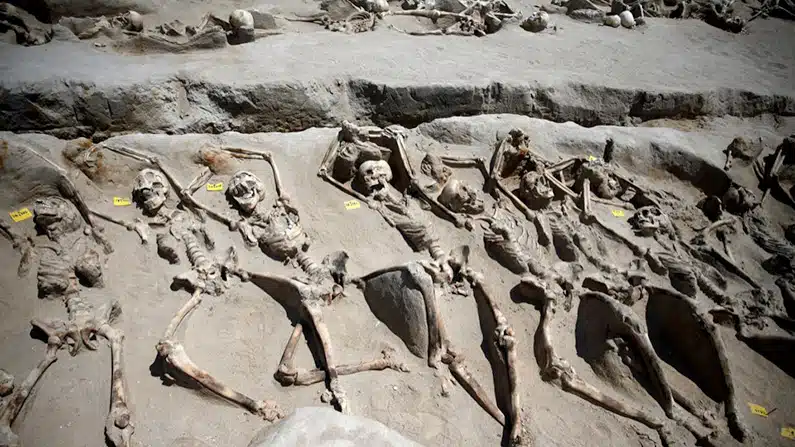
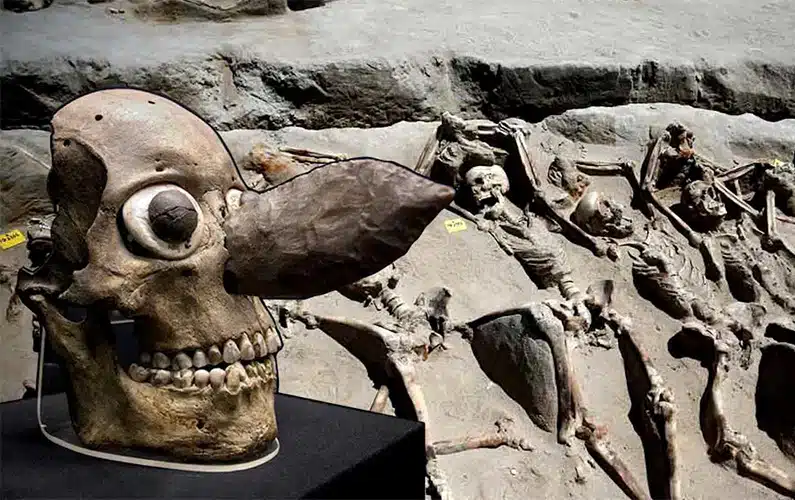
A group of at least 80 bound skeletons was discovered in Palaio Faliro, a suburb of Athens, in 2016. These skeletons, which showed clear signs of having been tied up and arranged in positions suggesting violent deaths, date back to the time when Cylon, an athlete and aristocrat, attempted a failed coup to seize power in Athens during the 7th century BCE. Several of the skeletons were found with their mouths open, indicating they may have been screaming at the moment of death.
According to the ancient historian Thucydides, who described the events in The History of the Peloponnesian War, Cylon’s followers sought refuge in a temple on the Acropolis after the coup collapsed. They were said to have been killed by Athenian authorities shortly after leaving the sanctuary. Pottery fragments found at the site have helped archaeologists accurately date the mass grave to the period of Cylon’s attempted takeover. [source]