
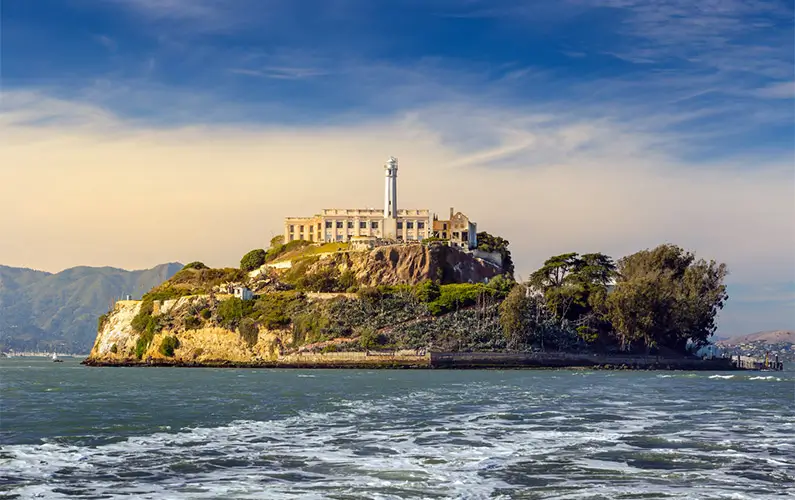
On an isolated island in San Francisco Bay, Alcatraz rises as a silent witness to a bygone era of punishment and captivity. This iconic prison island has a fascinating history, stretching from its role as a notorious federal penitentiary to its present status as a symbol of freedom and a major tourist attraction. Join us as we explore the dark corridors and secrets surrounding Alcatraz in these ten intriguing facts, where every brick tells a story of strict discipline and survival.
1 This is why Alcatraz was the only federal prison with hot showers…
At the time, Alcatraz was the only federal prison that offered hot showers to its inmates. However, this apparent luxury had a calculated purpose. Prison officials believed that inmates who grew accustomed to warm water would be far less willing to jump into the icy waters of San Francisco Bay during an escape attempt. [source]
2 The prison food was of very low quality – for a reason…
Alcatraz was known for serving low-quality prison food. Inmates were given nutritionally balanced but extremely simple meals, and the food itself was considered part of the punishment, meant to discourage prisoners from committing crimes again. [source]
3 Native American tribes occupied the prison island for more than two years…
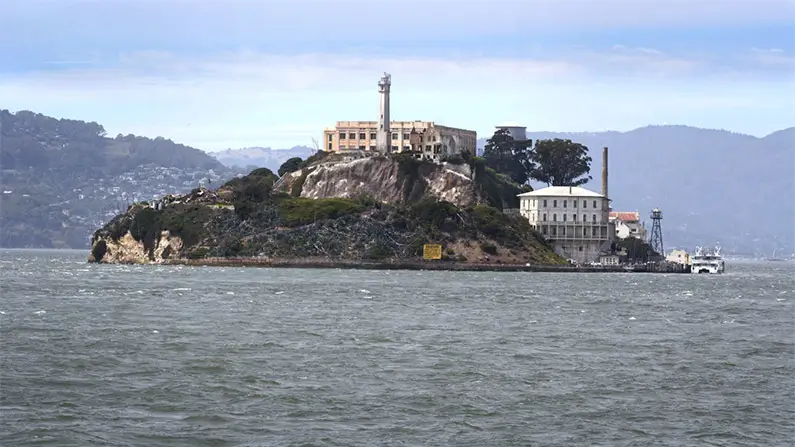
In November 1969 — six years after the prison had closed — a group of Native Americans, best known as Indians of All Tribes, occupied Alcatraz Island. They based their occupation on the Treaty of Fort Laramie from 1868, which granted Native Americans the right to reclaim abandoned federal land.
The occupation lasted nearly two years, until June 1971. During this time, the group sought to highlight Native American rights and raise awareness of their ongoing struggles. Although the occupation did not lead to lasting changes on Alcatraz itself, it is widely regarded as a pivotal moment in the modern Native American rights movement and the fight for self-determination and sovereignty. [source]
4 To this day, no one truly knows what happened to those who allegedly escaped from Alcatraz…
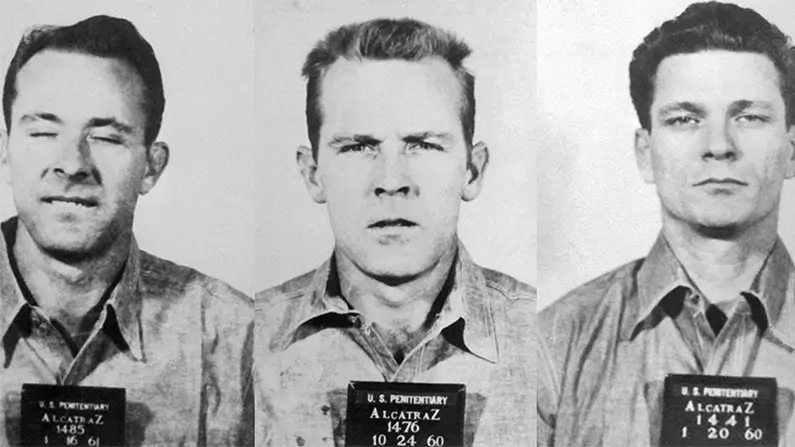
The story of Frank Morris and his partners, who allegedly escaped from Alcatraz Island in 1962, remains shrouded in uncertainty and speculation. There is no definitive evidence of what happened to them after the supposed escape, and the case has given rise to numerous theories and claims over the years.
Some reports suggest that a raft was found with footprints leading away from Alcatraz, and that a car was reported stolen in the area that same night. While some believe these events are directly connected to the escape, others remain skeptical, arguing that the evidence is simply too weak to confirm the theory. What truly happened is something we may never know for certain. [source]
5 This is why the prison was eventually shut down…
Alcatraz Island was officially closed on March 21, 1963. The decision to shut down the prison was driven by several factors, including extremely high operating costs, ongoing maintenance issues, and growing difficulties in recruiting staff willing to work on the isolated island.
In addition, the prison had developed a notorious reputation, and public attention increasingly focused on its harsh conditions and alleged violations of prisoners’ rights. Together, these issues made it clear that Alcatraz was no longer sustainable as a federal penitentiary. [source]
6 The prison was renovated for the film Escape from Alcatraz (1979)…
The 1979 film Escape from Alcatraz, directed by Don Siegel and starring Clint Eastwood, used the actual prison island as a primary filming location. Before production began, approximately $500,000 was spent to restore and renovate the deteriorating prison, ensuring the film captured an authentic and realistic atmosphere. [source]

You may also like
7 This is how the island and prison got their famous name…
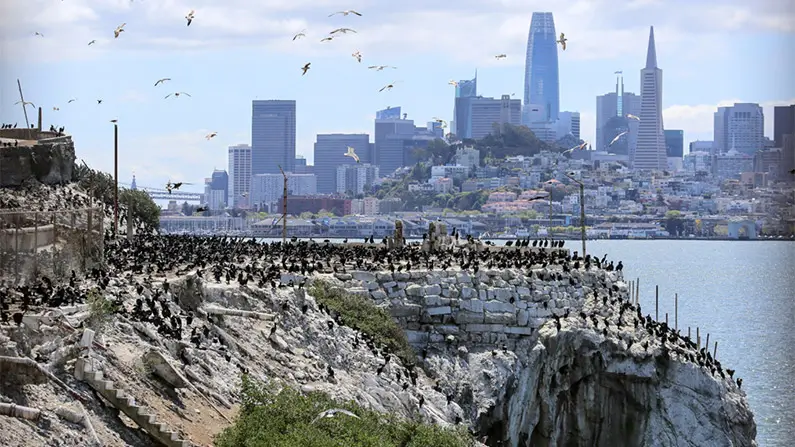
The name “Alcatraz” comes from the Spanish word “alcatraces”, meaning “pelicans”. The island was named by Juan Manuel de Ayala, a Spanish explorer and naval officer who documented his observations of San Francisco Bay in the 18th century.
He called the island “La Isla de los Alcatraces” due to the large number of seabirds nesting there, a name that eventually evolved into the shortened and now-famous Alcatraz. [source]
8 Here, you can celebrate “Unthanksgiving Day” every year…
Since 1975, Unthanksgiving Day, also known as the “Indigenous Peoples Sunrise Ceremony“, has been held annually on Alcatraz Island. The event honors and highlights the survival of Indigenous peoples in America following European colonization and emphasizes the importance of Indigenous rights and cultural heritage. [source]

You may also like
9 This is also where the first operational lighthouse on the West Coast was built…
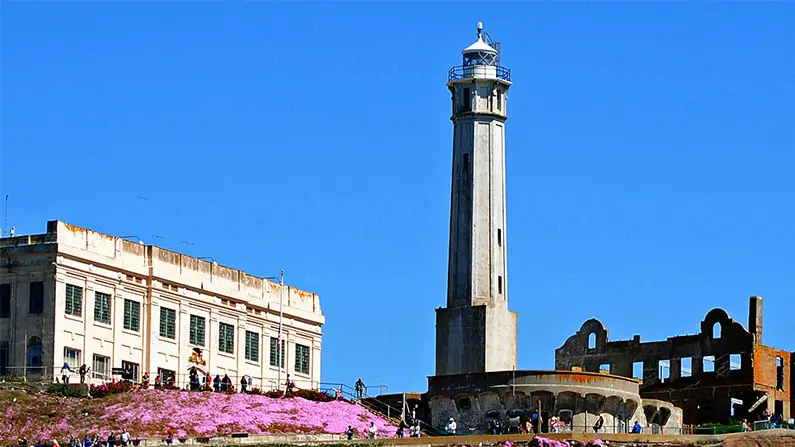
Alcatraz Island was home to the first operational lighthouse on the U.S. West Coast. The lighthouse was built and put into service in 1854, guiding ships through the treacherous waters of San Francisco Bay.
The island’s first lighthouse keeper was James A. Ballard, and the original lighthouse remained in operation until 1909, when it was replaced by the current structure. Before becoming a prison, Alcatraz was originally intended to serve as a fortress and military installation. In the image below, you can see the lighthouse that stands on the island today. [source]
10 It was the first U.S. prison to introduce a garden project…
Alcatraz Island was the site of the first garden project within the U.S. prison system. During the 1940s and 1950s, prison warden James A. Johnston allowed inmates to create a garden on the island. Prisoners grew flowers and vegetables, and even built a pond with fish.
The garden project was intended to provide inmates with meaningful work while also improving the appearance of the prison grounds. The garden still exists today and has been recently restored as part of Alcatraz’s cultural and historical heritage. [source]

You may also like
5 Common Questions About Alcatraz
Yes. The former prison is now a popular tourist attraction managed by the National Park Service, with guided tours, exhibitions, and historical displays available year-round.
Officially, no escape was ever confirmed, though several inmates disappeared during an escape attempt in 1962, leading to decades of debate and speculation.
Its isolated island location, cold waters, and strong currents made escape extremely difficult, reinforcing its reputation as one of the most secure prisons ever built.
Notorious inmates included Al Capone, George “Machine Gun” Kelly, and Robert Stroud, all transferred there due to discipline issues at other facilities.
The prison shut down because operating costs were too high, infrastructure was deteriorating, and it became increasingly difficult to staff and maintain the facility.