

Titanium, often referred to as the “miracle metal”, has established itself as a cornerstone of modern technology and industry. Its unique properties have made it indispensable across a wide range of fields, from aerospace engineering to medical technology. But how much do we really know about this popular element? Here are ten facts you should at least be familiar with — just in case the so-called miracle metal ever becomes the subject of a lively discussion.
1 Titanium has an exceptional strength-to-weight ratio…
Among all metals, titanium boasts the highest strength-to-weight ratio. Compared to steel, it clearly has the advantage — being more than 40% lighter while still offering comparable strength. [source]
2 It has a high melting point…
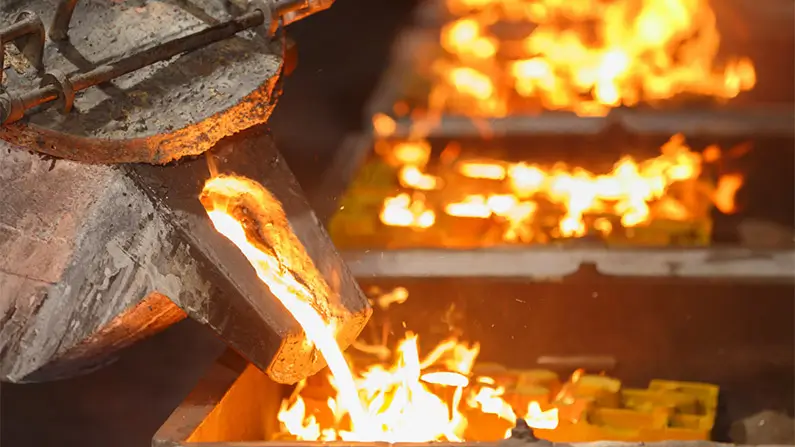
Titanium may not have the absolute highest melting point among all metals, but it is still remarkably high. Its melting point is around 1,668°C (3,034°F), making it just as suitable as other refractory metals for demanding, high-temperature applications. [source]
3 Titanium has low thermal and electrical conductivity…
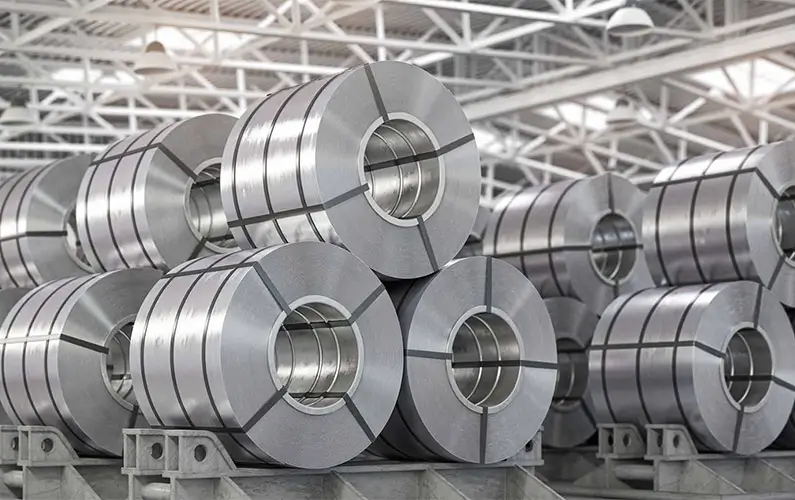
Compared to many other metals, titanium has relatively low thermal and electrical conductivity. It only becomes a thermal superconductor at extremely low temperatures, below its critical temperature of 0.49 kelvin. Titanium is also non-magnetic, which makes it useful in specialized technical and medical applications. [source]
You may also like
4 It is the ninth most abundant element…
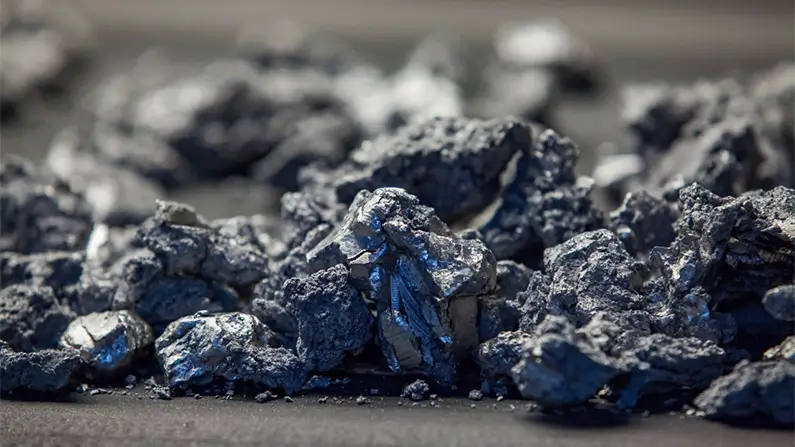
Titanium is the ninth most abundant metal in the Earth’s crust. However, the cost of extracting its ore is extremely high, and the refining process typically produces large amounts of waste. This helps explain why titanium is also one of the most expensive industrial metals. [source]
5 Titanium was first discovered in 1791…
Titanium was first discovered in 1791 by William Gregor, from Trewarthenick House in Cornwall, England. He identified titanium oxide in a mineral known as “manaccanite“.
A few years later, in 1795, the German chemist Martin Heinrich Klaproth successfully isolated metallic titanium from titanium oxide, confirming it as a new chemical element. [source]
6 It is widely used in nuclear reactors…
Thanks to its unique properties, titanium is used in certain parts of nuclear reactor shielding, including components that benefit from its low neutron absorption cross-section. The metal is also highly resistant to radiation, meaning it can withstand damage from ionizing radiation like that produced inside a nuclear reactor.
This resistance helps extend the lifespan of critical reactor components, making titanium especially valuable in nuclear technology. [source]
You may also like
7 The Lockheed SR-71 was built using 92% titanium…
Lockheed SR-71 is one of the fastest jet aircraft ever built. During the Cold War, the United States couldn’t openly trade with the Soviet Union, yet still needed large amounts of titanium to construct its advanced aircraft.
To solve this, the Central Intelligence Agency (CIA) reportedly set up shell companies to purchase titanium from unsuspecting Soviet suppliers. This covert operation ultimately allowed the U.S. to acquire enough titanium to build 32 Lockheed SR-71 aircraft — a remarkable Cold War workaround. [source]

8 China is currently the world’s largest producer of titanium…
China accounts for around 30% of global titanium production, making it the largest producer worldwide. The country has vast ilmenite ore reserves, placing it in an ideal position to dominate titanium production.
Other countries with significant titanium production capacity include Japan, Russia, Saudi Arabia, Kazakhstan, Ukraine, and India. [source]
You may also like
9 The element plays a vital role in modern healthcare…
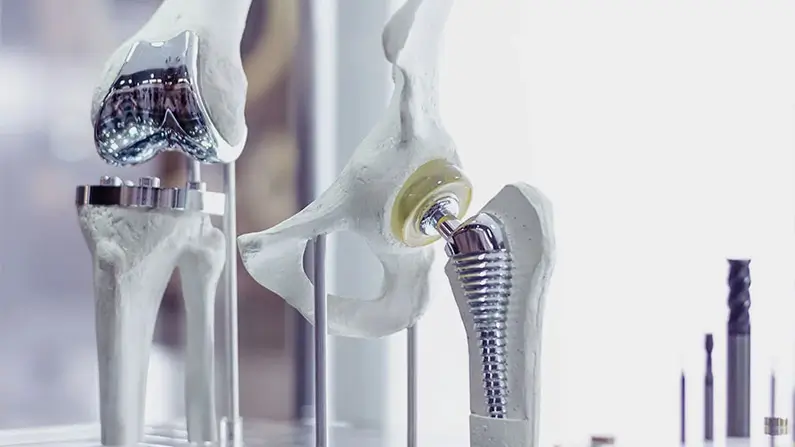
Since the 1940s, titanium has helped doctors and medical professionals heal and improve patients’ lives. Today, it is commonly found in biomedical implants such as pacemakers, hearing aids, and eye implants.
The element also bonds exceptionally well with bone and living tissue, which makes it especially suitable for orthopedic implants like joint replacements and bone screws. [source]
10 It can produce white sparks when cut with a water jet…
Titanium can be cut using a water jet process known as abrasive waterjet cutting. This method is often preferred because it does not require heat, and it can be more cost-effective than other cutting techniques — especially when working with materials that have very high melting points.
Interestingly, waterjet cutting of titanium typically produces white sparks, because the element contains too little iron to create the orange sparks commonly seen when cutting steel. [source]
5 Common Questions About Titanium
It is widely used in aerospace, medical implants, industrial equipment, and consumer products thanks to its strength, low weight, and corrosion resistance.
In terms of strength-to-weight ratio, it outperforms steel. While not always stronger by volume, it is much lighter while offering comparable strength.
Yes. Although it is relatively abundant, extraction and processing are costly, which makes it one of the more expensive industrial metals.
Yes. It is biocompatible, non-toxic, and bonds well with bone and tissue, which is why it is commonly used in medical and orthopedic implants.
No. It is highly resistant to corrosion, even in harsh environments such as saltwater, chemicals, and the human body.