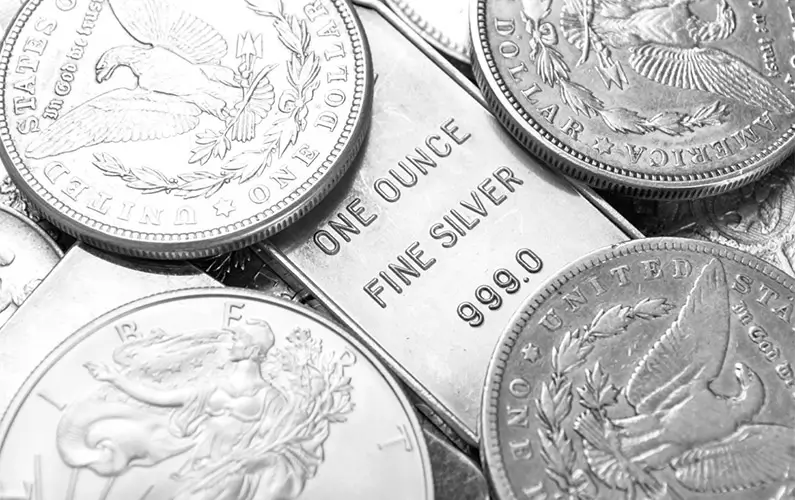
Silver is a metallic chemical element that belongs to the noble metals and the coinage metals. Its chemical symbol is Ag, derived from the Latin word argentum (but you probably learned that in school already). Silver is commonly used in jewelry, but it also plays an important role as an electrical conductor in applications where extremely low resistance is required. You likely already knew most of this about the element — so instead, let’s jump straight into ten more fun facts you may not have known before!
1 Silver is the most reflective metal on Earth…
Silver can typically reflect around 95–98% of visible light, making it the most reflective metal on the planet. This is why silver is commonly used in mirrors and reflective surfaces, where maximizing light reflection is essential.
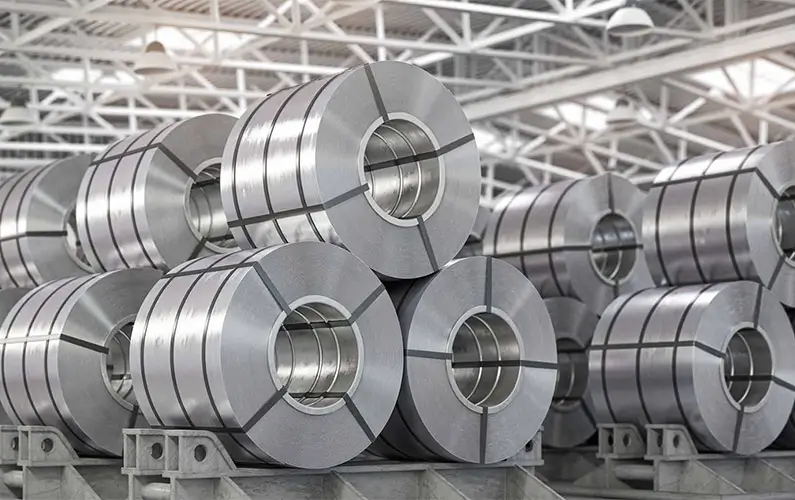
By comparison, aluminum reflects only about 80–90% of visible light, which puts silver in a class of its own when it comes to reflectivity. [source]
2 Mexico is by far the world’s largest producer of silver…
Mexico is one of the leading producers of silver globally and has a long history of silver mining, making the country a key player in the global silver market for centuries. It is home to several major silver mines that contribute significantly to the national economy.
Other major silver-producing countries include Argentina, Bolivia, Chile, and Peru. [source]
3 You’ve probably eaten silver — without even knowing it…
Yes, you read that right. And while it may sound a bit unappetizing, silver is approved as a food coloring and is listed as E174 under EU food additive regulations. However, it is not widely used due to its high cost and potential health concerns.
Today, silver is mostly used for decorative purposes on certain specialty food products. [source]
4 How to clean silver at home with a simple DIY polish…
Using baking soda and vinegar as a DIY polish for silver at home is a common method that many people use and often delivers acceptable results. Both ingredients have cleaning properties and can help remove dirt, oxidation, and tarnish from silver.
When combined, they create a bubbling reaction that can help loosen grime and impurities. However, it’s important to note that this method is not as effective as commercial silver polishes, which are specifically formulated to polish silver and usually produce much better results. [source]

5 The element is also highly effective at killing bacteria…
Silver has antimicrobial properties that can kill or inhibit the growth of bacteria, fungi, and certain types of viruses. This effect is caused by silver ions released from compounds when they come into contact with moisture or biological fluids.
These ions are toxic to many microorganisms, as they interfere with metabolic processes and cell walls. Because of these properties, silver is widely used in medical applications, including wound dressings, catheters, implants, and antimicrobial coatings. [source]
6 Too much silver can turn a person’s skin and nails blue…
A rare but possible side effect of overexposure to silver, known as argyria, is that the skin and nails may develop a blue-gray discoloration. This happens when silver accumulates in body tissues, causing a cosmetic change in skin color.
Argyria is most commonly the result of long-term use of silver-based products or excessive exposure to silver powders or solutions. If you notice changes in your skin or nails, it may be worth reviewing the types of jewelry or products you use.
It’s important to note that argyria is primarily a cosmetic condition and is usually harmless to overall health. Even so, the visible color change can be distressing for those affected. [source]
You may also like
7 Argentina got its name from the element silver…
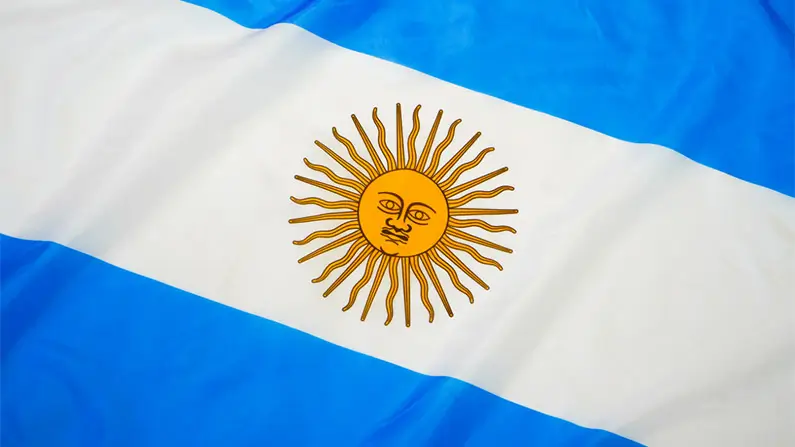
The name “Argentina” comes from the Latin word argentum, meaning “silver“. When Spanish explorers arrived in the region that is now Argentina, they heard myths about “Sierra de Plata”, or the “Silver Mountains”.
These legends led them to name the area Argentina when they founded the first colony there in 1536, believing the region held rich silver deposits. Although the expected riches never fully materialized, the country kept the name Argentina. [source]
8 Archaeologists have traced the use of silver back thousands of years…
Silver has been known and valued for millennia and has played an important role throughout human history. It has been used for decoration, jewelry, ceremonial objects, and even as currency.
In other words, silver is far from a modern discovery — it is a metal that humans have relied on since ancient times. [source]

You may also like
9 The Hunt brothers once owned a third of the world’s silver supply…
In the 1970s, Nelson Bunker Hunt and William Herbert Hunt, known as the Hunt brothers, attempted to manipulate the silver market by purchasing massive amounts of silver and driving up its price. They believed the price of silver would continue to rise and that they could make huge profits by controlling a large share of the supply.
At the height of their speculation, the Hunt brothers managed to acquire a significant portion of the world’s silver reserves. It is estimated that they controlled roughly one-third of the global silver supply at their peak. Their actions led to dramatic price increases and extreme market volatility during 1979 and 1980.
Eventually, the scheme collapsed, and silver prices crashed sharply, resulting in massive financial losses for the Hunt brothers and other investors. This event, known as “Silver Thursday“, also had long-term consequences for commodity markets and regulation. A photo of the Hunt brothers can be found below. [source]

10 During the 18th century, people carried their own silver cutlery…
Today, the phrase “born with a silver spoon” refers to being born into wealth or high social status. But in the 18th century, people took it far more literally — they actually carried their own silver spoons and cutlery as a sign of class and prosperity.
This practice was especially common among the middle class, who carried their silver spoons much like we carry car keys or wallets today. Hygiene also played a role, as people were less comfortable using shared utensils.
Silver cutlery was frequently used at dinner parties, banquets, and large social gatherings, making it both a practical and symbolic item. [source]
5 Common Questions About Silver
Silver is used for jewelry, coins, electronics, mirrors, medical products, and solar panels. Its high electrical conductivity and antimicrobial properties make it especially valuable in modern technology and medicine.
Yes, silver is considered a precious metal, along with gold and platinum. It has been valued for thousands of years due to its rarity, beauty, and wide range of practical uses.
Silver tarnishes when it reacts with sulfur compounds in the air, forming a dark layer on the surface. This is a natural chemical reaction and does not mean the silver is damaged or low quality.
In normal amounts, silver is generally safe, especially when used externally or in medical applications. However, excessive or long-term exposure can lead to a rare condition called argyria, which causes blue-gray skin discoloration.
Silver is often seen as a store of value and a hedge against inflation. While its price can be volatile, many investors use silver to diversify their portfolios, especially during economic uncertainty.