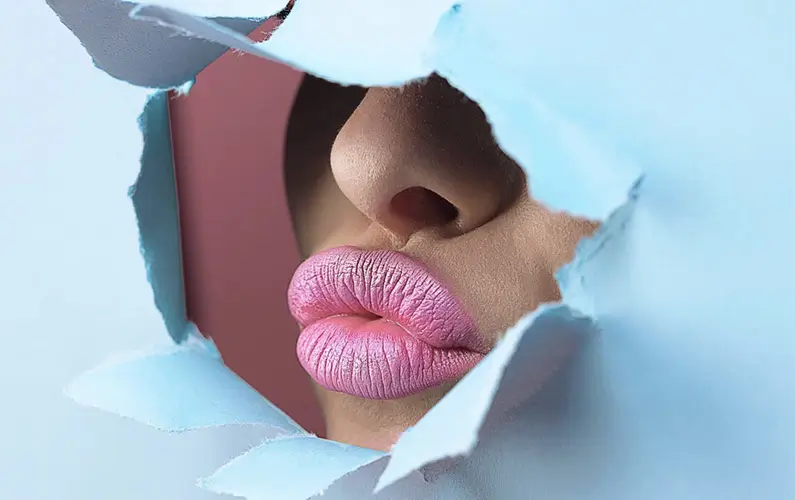
When we think of lipstick, it’s often the vibrant colors and the instant effect on our appearance that come to mind. But did you know that this beloved beauty product has a fascinating history and a number of surprising secrets that go far beyond its surface glamour? From its earliest uses to modern innovations, lipstick has a rich background that few people are aware of.
In this article, we dive into the most colorful and unexpected facts about lipstick. Get ready to be surprised by what you never thought possible—because behind every click of a lipstick tube lies a world of intriguing and sometimes slightly twisted secrets.
1 Humans have been using lipstick for thousands of years…
Lipstick has a long history stretching back thousands of years. According to archaeological findings from Mesopotamia—an area that today includes parts of Iraq, Syria, and Iran—queens were already using a form of lip color around 2500 BCE. This early version of lipstick was made from crushed stones and other natural substances to create pigment. [source]
2 In ancient Egypt, lipstick was made using pigments from crushed insects…
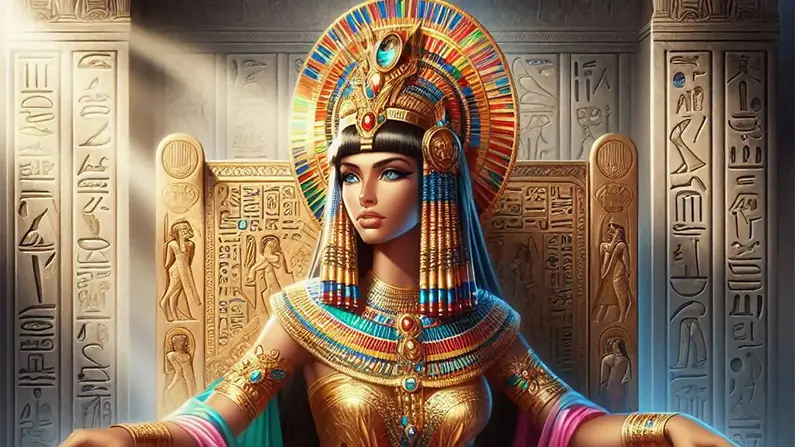
It would almost be a shame to write an article about lipstick without mentioning Queen Cleopatra VII. The ancient Egyptians—including Cleopatra herself—used lip color made from pigments extracted from insects. Cleopatra famously used carmine dye, derived from crushed beetles, specifically cochineal insects, to color her lips.
Producing carmine was no small task—it’s estimated that up to 70,000 insects were needed to produce just half a kilogram of carmine dye. For Cleopatra and others in ancient Egypt, cosmetics were often symbols of status, power, and prestige, not just beauty. [source]
3 How makeup and lipstick trends changed during the Victorian era…
Lipstick and makeup were popular during the Georgian era (1714–1830), but attitudes toward cosmetics shifted dramatically during the Victorian era (1837–1901). At that time, a more natural appearance was strongly promoted, and beauty products—including lipstick—were often seen as something belonging to the theater rather than everyday life.
Queen Victoria herself believed that cosmetics had no place in daily life, viewing them as suitable only for actresses. Her opinions had a strong influence on fashion and social norms of the era. Today, however, makeup and lipstick are widely accepted and celebrated parts of modern beauty routines. [source]
You may also like
4 Red lipstick is considered the most attractive, according to several scientific studies…
Scientific studies have shown that red lipstick can influence how attractive a person is perceived to be. One such study was conducted at the University of Manchester, where researchers tracked eye movements of men viewing images of women wearing different lipstick colors.
The results revealed that men spent more time looking at women wearing red lipstick, suggesting that red lips may have a noticeable effect on perceived attractiveness. [source]

5 The first modern lipstick appeared in 1870 — but the twist-up tube didn’t arrive until 1923…
The first modern version of lipstick, similar to what we use today, was created in 1870 by the French beauty brand Guerlain and was commercially produced in 1884, packaged in a small jar. However, it wasn’t until 1923 that the iconic twist-up lipstick tube was introduced by Maurice Levy, revolutionizing how lipstick was packaged and used.
Before this innovative design, lipstick was commonly stored in small glass containers or sold as loose powder, making application far less convenient than it is today. [source]
6 What would lipstick be without a world record?…
On September 9, 2018, Vice Cosmetics from the Philippines set the world record for the largest number of people applying lipstick at the same time. The event took place at the Ganda for All Music Festival at Araneta Coliseum in Quezon City, Manila.
The record was achieved with 6,900 participants, including men, women, and children, and aimed to promote the message “Beauty for all“. [source]
You may also like
7 During economic crises, lipstick purchases tend to change — a phenomenon known as the “lipstick effect”…
The “lipstick effect” is a well-known economic concept coined by Professor Juliet Schor in her 1998 book The Overspent American. The idea describes how people—especially women—tend to cut back on major luxury purchases during economic downturns, while still buying small indulgences such as lipstick.
These purchases provide a sense of reward and emotional comfort without requiring large expenses. The lipstick effect has been observed during multiple economic crises throughout history. [source]

8 This is how much the world’s most expensive lipstick costs…
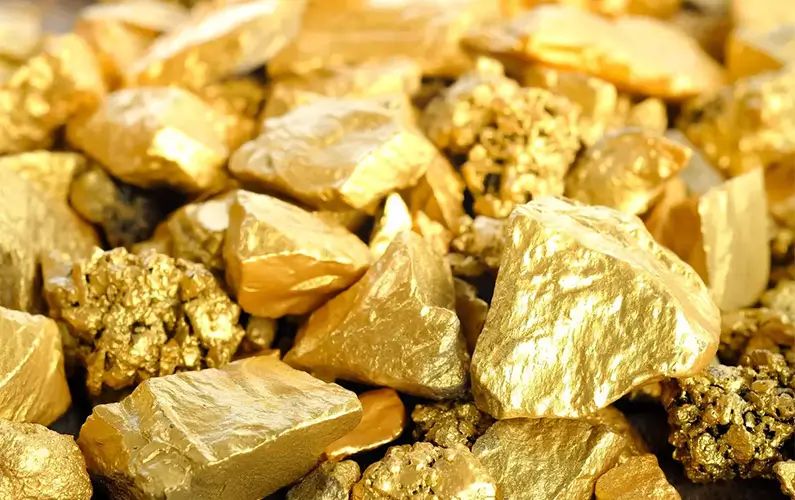
H. Couture Beauty’s lipstick is known as the most expensive lipstick in the world, with a staggering price tag of around $14 million. The packaging is made of 18-karat gold and adorned with nearly 200 diamonds, which—unsurprisingly—accounts for the extreme cost. [source]
You may also like
9 How red lipstick became associated with power and independence during the suffrage movement…
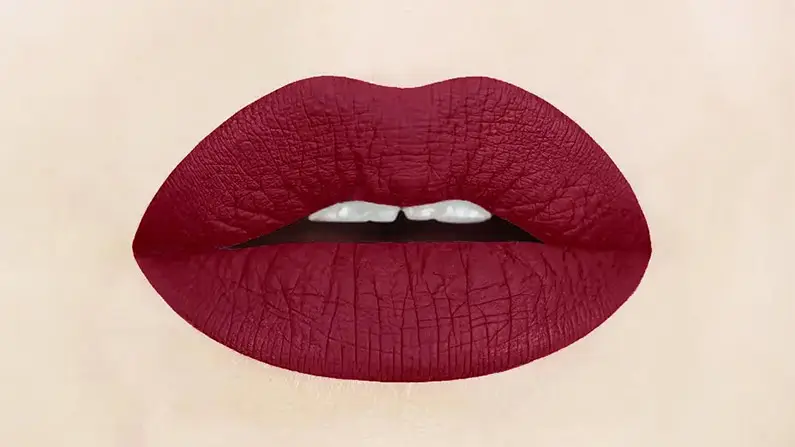
In the early 20th century, particularly during the women’s suffrage movement, red lipstick became a subtle yet powerful symbol of female strength and the fight for voting rights. Suffragettes in the United Kingdom, the United States, and several other Western countries used lipstick to express confidence, determination, and defiance in their struggle for equality and women’s right to vote.
This movement helped reshape lipstick’s image, firmly linking red lipstick with power, independence, and female empowerment—an association that still resonates today. [source]
10 During the Roman era, lipstick was used by both men and women…
In the Roman Empire, lipstick was worn by both men and women, and its use was more social than strictly gender-specific. In Roman society, lipstick and other cosmetics could signal social status and wealth.
Members of the upper classes, regardless of gender, used cosmetics as a way to display prestige and prosperity, while people from lower social classes often had limited access to such products. [source]
Xtra This is how much the average American woman spends on lipstick over a lifetime…
Estimates suggest that the average woman in the United States spends around $1,780 on lipstick over her lifetime. In addition to this, the average American woman spends approximately $15,000 on cosmetics overall.
Of course, these figures can vary depending on individual shopping habits and product prices, but they are considered reasonable estimates based on long-term average cosmetic spending. [source]
5 Common Questions About Lipstick
Lipstick is typically made from a combination of waxes, oils, pigments, and emollients. These ingredients give lipstick its color, texture, and staying power, while also helping to keep lips moisturized.
Lipstick is generally safe to use, especially when produced under modern cosmetic regulations. However, frequent use of drying formulas can sometimes lead to dry or irritated lips, making regular lip care important.
Red lipstick is often associated with confidence, power, and attractiveness. Studies suggest that red lips draw attention, which may explain why the color has remained popular for thousands of years.
Most lipsticks last between 12 and 24 months after opening. Changes in smell, texture, or color can be signs that the product should no longer be used.
No. Throughout history, lipstick has been worn by both men and women. In ancient civilizations such as Mesopotamia and Rome, lip color was often used to signal status and wealth, rather than gender.