Botox has become an increasingly common cosmetic procedure worldwide, especially in the Western world. Today, injections of the toxin are among the most popular and widely performed aesthetic treatments for both women and men. But how much do you actually know about the substance being injected into your muscles?
Did you know, for example, that in its pure form it is 6,000,000 times more toxic than rattlesnake venom? Below are ten more facts you should know about the toxin before deciding to go wrinkle-free.
1 There is a special type of Botox designed for poker players…
A cosmetic procedure known as “PokerTox” exists — a Botox treatment invented by a doctor in New York City to make patients’ faces less expressive.
The goal is to reduce involuntary facial movements, lowering the risk of revealing tells while playing poker. [source]
2 Botox can directly affect your psyche…
Research suggests that emotions and facial expressions are closely linked, meaning that people who have undergone Botox treatments may sometimes experience happiness or sadness differently.
Studies have also shown that those who receive injections may have more difficulty recognizing emotional expressions in facial photographs. Researchers suspect this happens because Botox prevents facial mimicry, which can interfere with the brain’s ability to interpret emotions in others. [source]
3 Botox is classified as the most potent biological toxin known to science…
Botox is classified as the most potent biological toxin known to science…
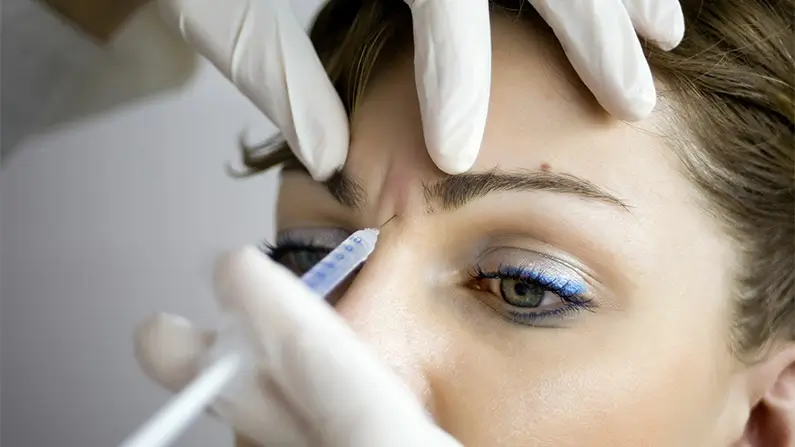
Botox is one of the most powerful neurotoxins found in nature. In its pure form, even extremely small amounts can cause severe poisoning by blocking nerve signals to the muscles.
This is precisely why it is used in very low and carefully controlled doses in both medical and cosmetic treatments, where safety depends on proper handling and accurate dosing. The extreme toxicity of the pure substance says very little about the risks of medical use, but it does highlight just how powerful the compound truly is. [source]
4 It may potentially help relieve depression…
Botox has also been studied as a possible treatment for depression. The idea is based on the connection between facial muscles and emotional signaling: by reducing activity in muscles linked to negative expressions, some individuals may experience improved mood.
Several studies have shown promising results, but the research is still in an early stage, and the treatment has not yet been established as a standard approach in psychiatry. In other words, it’s an interesting possibility — but one that requires much stronger scientific evidence before it can be widely recommended. [source]
5 Botox is finding more and more unusual uses…
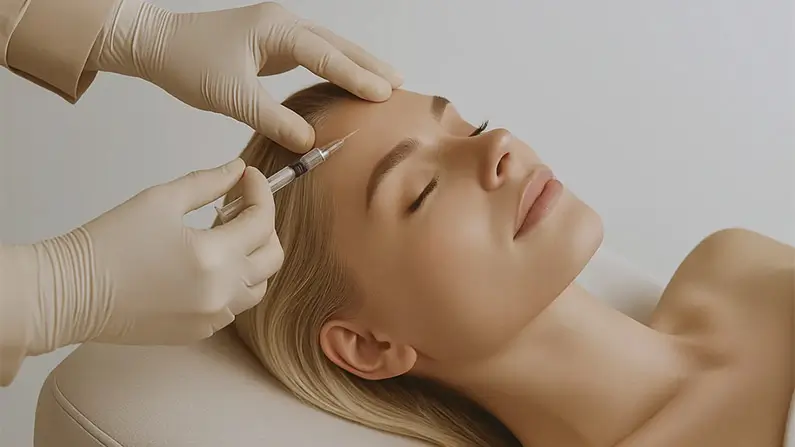
A growing number of wealthy women are turning to a cosmetic procedure known as “Blowtox“. In this treatment, Botox is injected into the scalp, where it prevents nerves from activating sweat glands.
The result? They can leave the gym with hair that still looks freshly styled and dry. [source]
6 There were plans to use it as a biological weapon during World War II…
You may think of Botox solely as a cosmetic treatment, but it also has a dark and disturbing history. Early in World War II, the United States began researching biological weapons, including — yes — botulinum toxin.
According to an article in the International Journal of Dermatology, there was a plan to use Chinese prostitutes to release small poison pellets containing botulinum toxin into the food and drinks of high-ranking Japanese officers. The gelatin capsules were produced, but never used — which was likely for the best. [source]

You may also like
7 This is how long a Botox injection lasts…
Botox gradually leaves the body over time, and results can vary from person to person. However, the effects typically last around three to four months.
The toxin does not work immediately — results usually begin to appear after a few days and continue to develop gradually over a period of up to two weeks. [source]
8 Botox has been proven to relieve chronic neck pain…
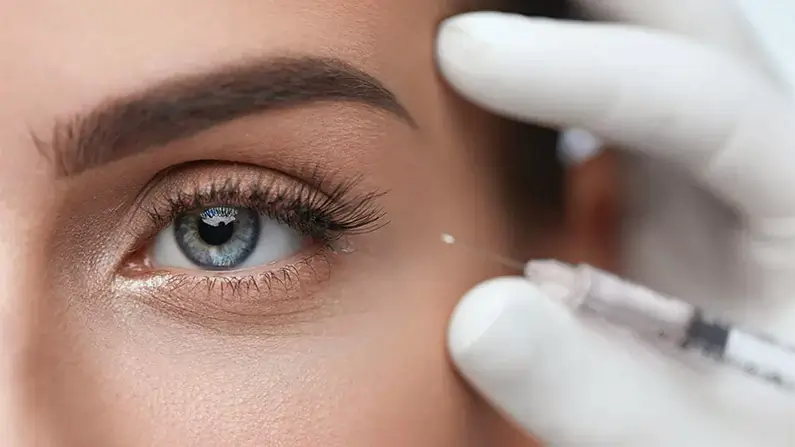
Botulinum toxin is not only used for cosmetic purposes but also in medical treatments to reduce overactive muscle tension, which can contribute to long-term neck pain. When administered by a medical specialist, the treatment can lead to reduced pain and improved function in some patients.
The same type of injections is also an approved treatment for chronic migraine, where regular doses can help reduce the number of headache days. While results vary from person to person, many patients experience significant relief. [source]

You may also like
9 An increasing trend among men…
Botox injections are often associated with women, but men clearly want to look good too. Since the year 2000, the number of men receiving Botox treatments has increased globally by an astonishing 337%. [source]
10 A single injection can potentially be life-threatening…
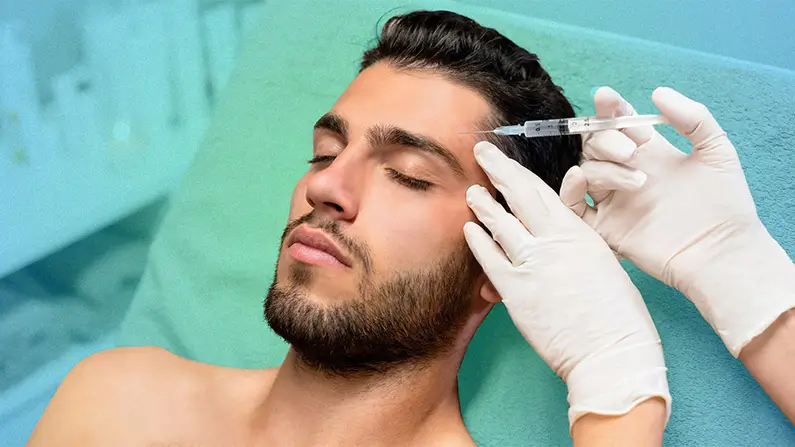
Botulinum toxin carries an important safety warning: in very rare cases, its effects can spread to other parts of the body, potentially affecting breathing, speech, and swallowing.
For this reason, treatment should always be performed by licensed and experienced professionals using approved products. The serious side effects often mentioned in the media mostly stem from older reports involving much higher medical doses than those used cosmetically today.
In other words, the risks are low when treatments are performed correctly — but awareness and proper medical practice remain essential. [source]
5 Common Questions About Botox
It is a treatment that uses botulinum toxin to temporarily relax muscles. This happens by blocking nerve signals, which reduces muscle movement and smooths lines or relieves certain medical conditions.
When administered correctly, it is generally considered safe. Serious side effects are rare when treatments are performed by licensed professionals using approved products.
The effects typically last around three to four months. Results are not immediate and usually become noticeable within a few days, with full effects developing over one to two weeks.
Yes. Botox is commonly used to treat chronic migraines, muscle spasms, excessive sweating, and certain pain disorders, not just for aesthetic purposes.
Most side effects of Botox are mild and temporary, such as redness or swelling. In very rare cases, the effects can spread beyond the treated area, which is why proper medical expertise is essential.