

With its diverse landscapes and rich cultural heritage, Uganda is a true gem of East Africa. From vast savannas and misty mountain slopes to the shimmering waters of Lake Victoria, the country offers a remarkable blend of nature and people.
Join us as we take you on a journey through Uganda, exploring its unique charm and fascinating history through ten facts you probably didn’t know before.
1 Nearly half of Uganda’s population is under the age of 15…
According to the latest United Nations estimates, about 48% of Uganda’s population is under 15 years old. This is largely due to high fertility rates and a lower life expectancy, which have resulted in a very young population.
Socioeconomic factors and cultural norms also influence birth rates and family size, further contributing to the country’s youthful demographic. By contrast, only 2.8% of the population is aged 65 or older. [source]
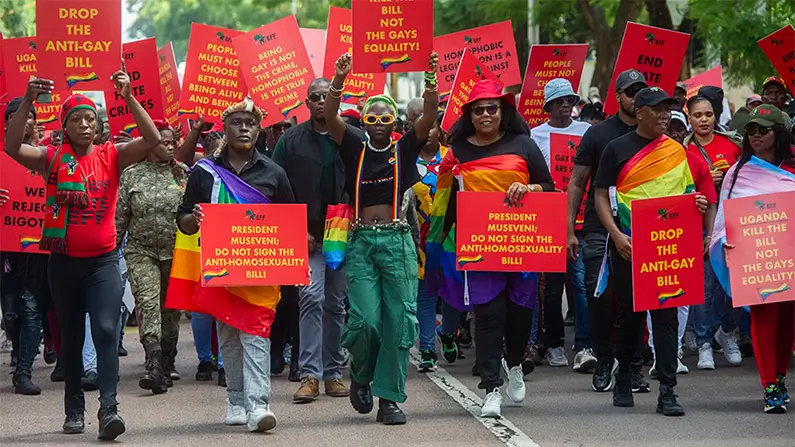
2 Three American Christian activists are considered a key influence behind the country’s strict anti-gay laws…
In Uganda, three American Christian figures claimed during the 2010s that homosexuality posed a direct threat to the unity of African families.
Their statements and campaigning efforts are widely regarded as having influenced the country’s harsh anti-gay legislation introduced in 2014. [source]
3 Two lions are believed to have killed 135 railway workers during the 1890s…
During the construction of the railway in Uganda in the 1890s, two lions in the Tsavo region killed numerous workers, bringing progress on the project to a halt. It is estimated that around 135 people were killed before the lions were eventually shot by British engineer John Henry Patterson.
The lions’ unusually aggressive behavior and their ability to kill such a large number of people made them notorious during the railway construction era in the late 19th century. [source]

You may also like
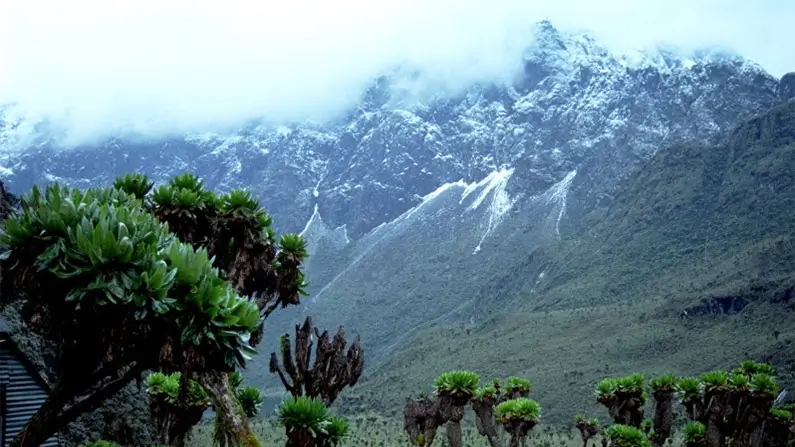
4 Here you can find glaciers along the border between Uganda and the Democratic Republic of the Congo…
The Rwenzori Mountains, also known as the “Mountains of the Moon“, stretch along the border between Uganda and the Democratic Republic of the Congo and feature glaciers on their highest peaks.
These glaciers are among the very few places on the equator where permanent ice and snow can still be found. [source]
5 The Zika virus was discovered as early as 1947 but only became a global health concern in 2007…
The Zika virus was first identified in 1947 in the Zika Forest of Uganda by researchers conducting a study on yellow fever. However, it did not become a major global health threat until much later, particularly following the 2007 outbreak in the Pacific region. [source]
6 A cult carried out a mass killing of more than 900 people after its doomsday prophecy failed…
In 2000, a tragic event took place in Uganda involving a religious cult known as “The Movement for the Restoration of the Ten Commandments of God“. The group had predicted the end of the world multiple times, and when these prophecies failed to come true, the cult leaders carried out a mass killing of their followers.
In total, more than 900 people lost their lives in the incident, making it one of the deadliest cult-related tragedies in history. [source]

You may also like
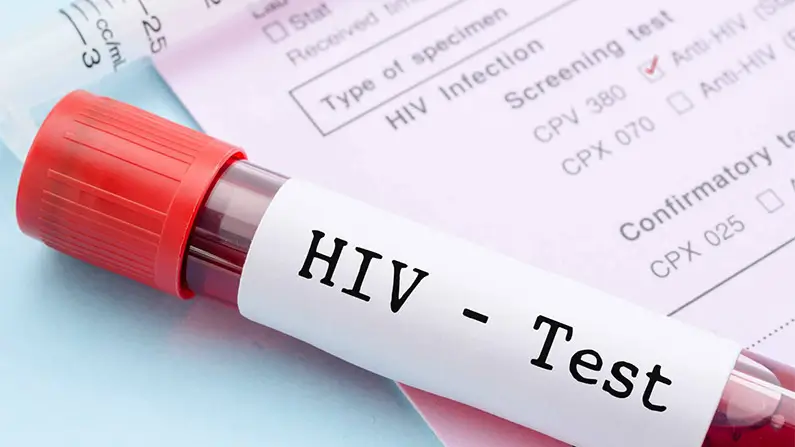
7 Uganda’s success in the fight against HIV/AIDS has been among the most effective in Africa…
The country has achieved notable success in combating HIV/AIDS, with openness and an effective national response helping to reduce the spread of the virus and lower infection rates.
During the 1980s, more than 30% of the population was living with HIV. By the end of 2008, that figure had fallen to just 6.4%, representing the most effective national response to AIDS in any African country. [source]
8 The country has faced horrific problems with children being sacrificed in rituals believed to bring wealth…
Child sacrifice in Uganda is an extremely tragic and disturbing phenomenon. There have been reports of children being kidnapped or abducted and then killed in rituals based on the belief that their sacrifice will bring material wealth or protection from evil spirits.
These acts often take place during secret ceremonies, and the children are subjected to severe physical and psychological suffering before being killed. Despite efforts by authorities to combat the practice, it remains a serious problem in certain parts of the country. [source]

You may also like
9 A tick that seeks shelter in your nose or other body openings to avoid detection…
There is a species of tick from Uganda known as Amblyomma loculosum, often nicknamed the “nose tick” due to its tendency to crawl into human noses and other body openings to avoid being detected and removed.
This behavior is highly unusual for ticks, but it has been documented in this specific species. Below, you’ll find an image of a tick you definitely don’t want to encounter. [source]

10 A failed occupation of Tanzania’s Kagera region led to the fall of Uganda’s dictator Idi Amin…
Uganda attempted to annex part of Tanzania’s Kagera region during a conflict that lasted from 1978 to 1979. This move triggered a military confrontation with Tanzania, which later responded with a counteroffensive.
The Tanzanian response, known as “Operation Tääpa” (often referred to as Operation Dada Idi or the Uganda–Tanzania War), combined with internal resistance movements within Uganda, ultimately contributed to the downfall of dictator Idi Amin. [source]

You may also like
5 Common Questions About Uganda
It is located in East Africa, bordered by Kenya, Tanzania, Rwanda, South Sudan, and the Democratic Republic of the Congo, and lies directly on the equator.
The country is famous for its rich biodiversity, including mountain gorillas, vast national parks, and Lake Victoria, as well as its cultural diversity and dramatic landscapes.
Many visitors travel there without issues, especially when sticking to established tourist areas and following local advice. As with any destination, situational awareness is important.
English is the official language, while Swahili is widely used regionally. In addition, dozens of indigenous languages are spoken across the country.
The climate is generally tropical, with warm temperatures year-round and two main rainy seasons, making it suitable for agriculture and wildlife year-round.