
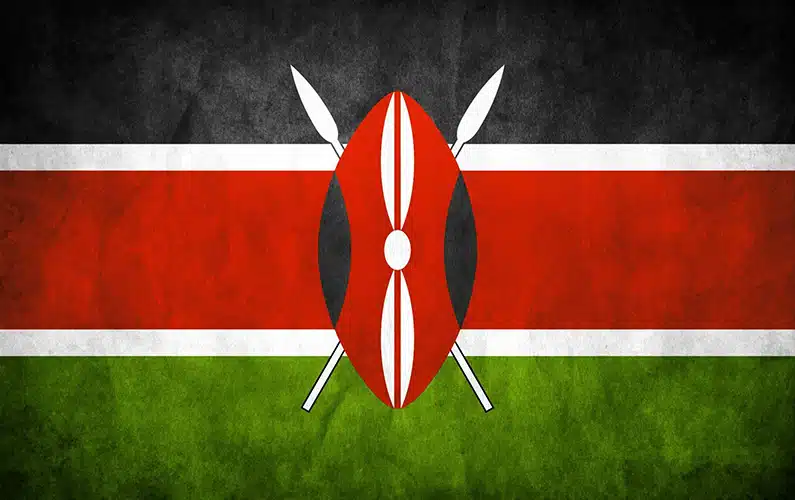
In the heart of East Africa lies Kenya, a nation that draws visitors from around the world with its rich heritage of cultural diversity and breathtaking natural beauty. From the vast savannas of the Maasai Mara to the snow-capped peaks of Mount Kenya, the country offers an experience as fascinating as it is multifaceted. But behind its postcard-perfect landscapes lies a history of profound challenges and inspiring progress.
Welcome to Kenya — where tradition meets modernity, and where every sunset tells a new story.
1 They make paper from elephant dung here…
In certain parts of Kenya, elephant dung is used to produce paper. Elephants can excrete up to 50 kilograms of dung per day, which can be turned into around 125 sheets of paper. This practice helps protect native forests and reduces the need for cutting down trees — all while making excellent use of the approximately 7,000 elephants that still inhabit the country. [source]
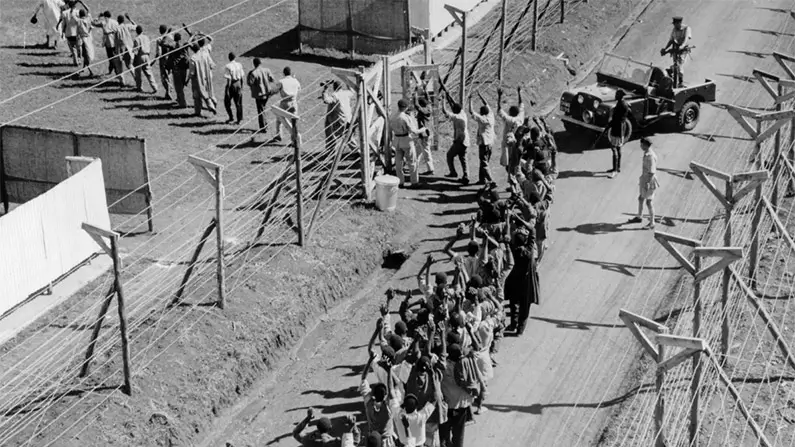
2 The British colonial government built concentration camps in Kenya during the Mau Mau uprising…
During the 1950s, the British colonial administration established concentration camps in Kenya during the Mau Mau uprising — a movement for independence and resistance against British rule. Thousands of Kenyan men, women, and children were interned in these camps.
Conditions were often horrific, with widespread reports of torture, abuse, and severe human rights violations. While the term “genocide” remains controversial in relation to the Mau Mau uprising, many historians view the treatment of detainees as a serious crime against humanity and a stark example of colonial brutality inflicted on the Kenyan population. [source]
3 Two maneless lions are said to have attacked and killed 135 people in the late 1800s…
During the construction of the railway between Kenya and Uganda in the late 19th century, two maneless lions repeatedly attacked workers stationed along the Tsavo River in Kenya. These lions became infamous for killing a large number of people over several months in 1898.
The exact number of victims is difficult to determine, but some estimates suggest that more than 135 workers were killed by the lions. [source]
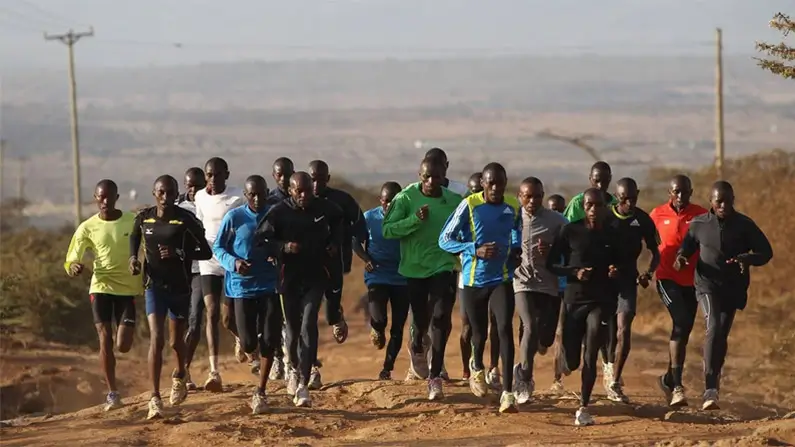
4 More than three-quarters of the country’s long-distance runners come from a single tribe…
A large share of Kenya’s elite runners come from the Kalenjin tribe. The Kalenjin people, who live in the Rift Valley region, have long had a significant presence in Kenyan athletics. Their success in long-distance running — both nationally and internationally — has been remarkable, making them one of the most prominent athletic communities in the country.
In fact, nearly three-quarters of all Kenyan long-distance runners come from the Kalenjin tribe. [source]
5 How farmers keep elephants away from their crops…
Farmers in Kenya use elephants’ natural fear of bees by building “beehive fences” that stop wild elephants from trampling their fields. This method keeps farms safe and helps prevent farmers from having to kill elephants to protect their livelihoods. [source]
6 He learned javelin throwing through YouTube — and won an Olympic silver medal in 2016…
Julius Yego, known as “The YouTube Man“, is a Kenyan javelin thrower who actually learned the sport by watching instructional videos on YouTube. Despite lacking access to traditional training equipment or professional coaches, Yego used online resources to improve his technique and training.
His incredible self-taught journey led to him winning the silver medal in men’s javelin at the 2016 Olympic Games in Rio de Janeiro. [source]
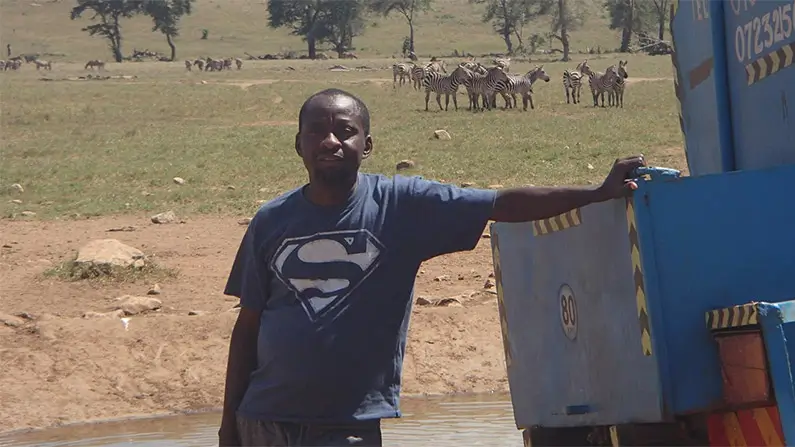
7 A hero who delivered thousands of liters of water to thirsty animals during drought…
Patrick Kilonzo Mwalua was a true Kenyan hero devoted to helping wildlife during severe droughts. He became known for driving his truck—filled with thousands of liters of water—every single day to drought-stricken areas to give life-saving water to wild animals such as elephants, giraffes, and antelopes.
Mwalua’s efforts went viral on social media, earning him international recognition for his compassion and dedication. His commitment to supporting suffering wildlife made him both a real-life hero and an inspiration to people around the world. Sadly, Mwalua passed away in 2018, but his legacy lives on through his remarkable contributions to protecting and caring for Kenya’s wildlife. [source]
8 A curious monkey caused a nationwide power outage for several hours…
On June 7, 2016, at the Gitaru Power Station in Kenya, a monkey climbed onto the roof of the facility and fell onto a transformer, causing a massive power outage across the entire country. The blackout lasted for several hours and disrupted large parts of Kenya’s electrical grid.
Amazingly, the monkey survived the incident. [source]
9 Life expectancy has increased significantly over the past 20 years…
Life expectancy in Kenya rose dramatically between 2004 and 2014 — by more than 13 years. In other words, it increased by over one year every single year for a decade. And it continues to rise!
In the year 2000, Kenya’s life expectancy was 53.36 years. By 2020, it had climbed to 68.95 years. [source]
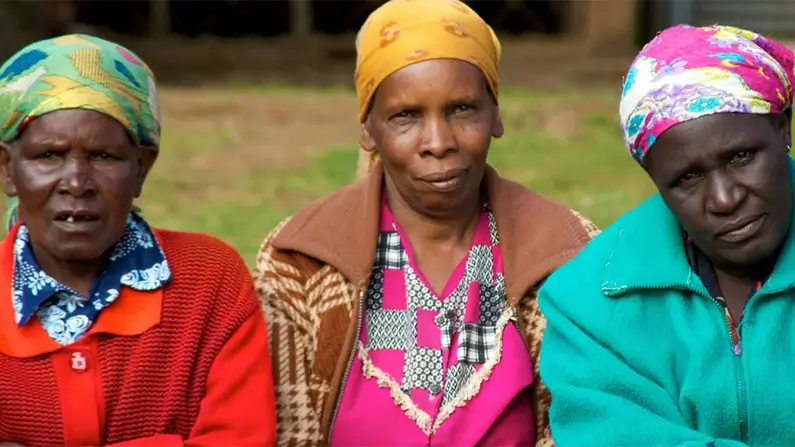
10 Plastic bags are ironically called the country’s “national flower”…
In Kenya and other parts of Africa, thin plastic bags are sometimes jokingly referred to as the “national flower” because of their widespread presence and visibility in the landscape. The nickname emerged from the fact that plastic bags are often seen along roadsides, caught in trees, and scattered in waterways — giving them a visibility similar to actual flowers.
The problem goes beyond environmental damage — it also increases mortality among residents. This is because discarded plastic bags create breeding grounds for malaria-carrying mosquitoes, contributing to the spread of one of the continent’s deadliest diseases. [source]
You may also like
Xtra A national study found that men with larger penises were more likely to experience infidelity…
A study conducted in the country found that men with larger penises were more likely to be affected by infidelity, primarily in cases where the size caused vaginal pain during intercourse. According to the research, discomfort during sex contributed to increased instances of partners seeking intimacy elsewhere. [source]
5 Common Questions About Kenya
Kenya is generally safe for tourists, especially in popular destinations such as Nairobi’s main attractions, the Maasai Mara, Amboseli, and the coastal city of Mombasa. However, travelers should remain aware of petty crime in major cities and avoid certain high-risk areas. Using reputable tour operators and staying updated on travel advisories is recommended.
The African country is world-famous for its safari experiences, incredible wildlife, and breathtaking landscapes. Places like the Maasai Mara, Mount Kenya, and the Great Rift Valley attract millions of visitors. The country is also known for its vibrant cultures, long-distance running champions, and beautiful Indian Ocean beaches.
Kenya has two official languages: English and Swahili. Swahili is widely spoken across the country and acts as a unifying language. There are also more than 60 Indigenous languages, including Kikuyu, Luo, Kalenjin, and Luhya. English is commonly used in business, government, education, and tourism.
Most travelers do need a visa, but the country offers a simple eVisa system for many nationalities. The visa is typically applied for online before arrival and allows stays for tourism, business, or transit. Requirements may vary, so it’s best to check the official immigration website before traveling.
The best time to visit the African country is during the dry seasons, which occur from January to March and again from June to October. These periods offer the most comfortable weather and the best conditions for wildlife viewing. The world-famous Great Migration in the Maasai Mara typically takes place between July and October, making this one of the most popular times for safaris.