

Microplastics are an invisible enemy that have infiltrated our oceans, our soil, and even our bodies. These tiny plastic particles, often smaller than five millimetres, come from worn-down plastic products, synthetic clothing, and even cosmetics. Despite their minimal size, they have a massive impact on the environment and our health.
In this article, we reveal ten alarming facts about micro- and nanoplastics that everyone should know — from where they come from to how they affect both animals and humans. Prepare yourself for a chilling read — hold on tight!
1 You can inhale thousands of microplastic particles every single day — right inside your own home…
Microplastics are everywhere in our daily lives, and the home environment is no exception. Carpets, furniture, clothing, and other synthetic materials continuously shed tiny plastic particles that end up in household dust and the air we breathe. Research shows that we may inhale up to several thousand microplastic particles every day, which could pose a risk to human health.
Adding to the problem, car tyres are a major but often overlooked source, releasing millions of tonnes of microplastics into the environment every year — making them one of the largest global contributors to microplastic pollution. [source]
2 You drink thousands of microplastics in your daily takeaway coffee…
Research has shown that takeaway coffee cups — especially those lined with plastic on the inside — can release micro- and nanoplastic particles into your drink when exposed to hot water. A 2020 study published in the Journal of Hazardous Materials found that a single plastic-lined disposable cup could release tens of thousands of microplastic particles and millions of nanoplastic particles in just 15 minutes when filled with hot water.
This means that people who frequently use takeaway cups may unknowingly consume plastic particles through their beverages — turning a simple coffee habit into a hidden source of plastic exposure. [source]
3 Microplastics can reach our organs and even our cells…
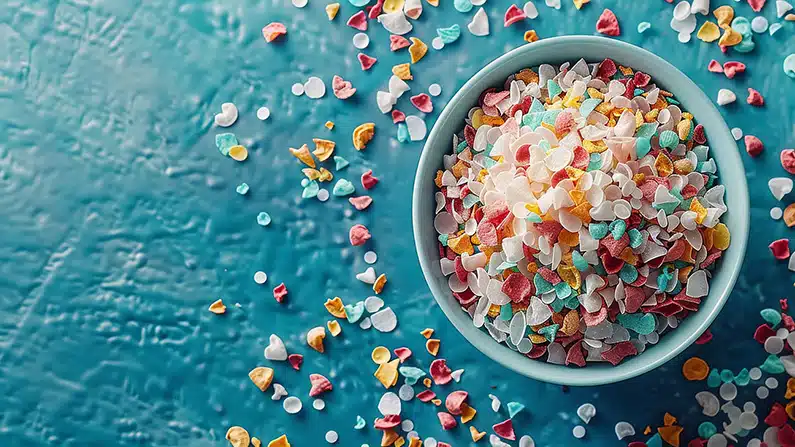
New research shows that micro- and nanoplastics — the smallest plastic particles formed as microplastics break down — can penetrate our organs and even our cells. These particles have been found in human blood, breast milk, and placentas, confirming that they are able to circulate throughout the body.
Animal studies have also shown that nanoplastics can cross into organs such as the brain. In addition, microplastics have been detected in the blood and tissues of animals like pigs and cows, meaning that humans may also ingest these particles through the food chain. [source]
4 Micro- and nanoplastics may be linked to dementia and other brain disorders…
Researchers suspect that micro- and nanoplastics could be connected to neurodegenerative diseases such as dementia, Alzheimer’s, and Parkinson’s. Studies have shown that nanoplastics are able to cross the blood–brain barrier and reach the brain, making it particularly vulnerable to potential harm.
Although direct causal links have not yet been fully proven, the ability of microplastics to trigger inflammation and oxidative stress raises serious concerns about their impact on brain health. More research is still needed to understand the full extent of these effects — but it may not be long before we know much more. [source]

5 Bottle-fed babies may ingest billions of micro- and nanoplastics every year…
Research shows that bottle-fed infants can ingest millions of microplastic particles per day, adding up to billions over the course of a year. A 2020 study published in Nature Food analysed microplastic release from baby bottles across 48 regions worldwide and found that most bottles were made from polypropylene.
When these bottles are heated — for example, to warm formula or baby food — they release significant amounts of micro- and nanoplastics into the liquid. Researchers estimated that a single bottle can release millions of particles per litre at high temperatures, raising serious concerns about infants’ exposure to microplastics during a critical stage of development. [source]
6 97% of all children today have tiny plastic particles in their bodies…
A study from Germany found that 97% of children aged 3 to 17 had traces of micro- and nanoplastic particles in their bodies. The research, published in Environmental Science & Technology in 2020, detected these particles in children’s urine, blood, and stool.
Researchers suggested that the children were most likely exposed through clothing, food, air, and the home environment. There is also growing concern that exposure to micro- and nanoplastics may affect health, as children can be particularly vulnerable to environmental toxins. [source]
You may also like
7 Micro- and nanoplastics have even been found in rainwater…
Another study, also published in Environmental Science & Technology in 2020, showed that tiny plastic particles can be present in rainwater, particularly in densely populated urban areas. Researchers made this discovery while investigating air pollution, and later studies have confirmed that micro- and nanoplastics can fall from the sky over vast areas, affecting both the environment and ecosystems.
Because rain feeds rivers, lakes, and even drinking water sources, this clearly represents a potentially serious risk to both human and animal health. [source]

8 Micro- and nanoplastics are now found across the entire planet — even in places untouched by humans…
Microplastics are now present all over the globe, including in the most remote locations where humans rarely, if ever, set foot. Research has shown that micro- and nanoplastics have been detected in Antarctic snow and in the deepest parts of the world’s oceans.
These tiny plastic particles are spread globally through air, water, and wildlife, meaning they affect even the most inaccessible and fragile ecosystems on Earth. [source]
9 Microplastics can also carry deadly diseases across the planet…
As if the previous point were not alarming enough, research has also shown that microplastics can transport pathogens (disease-causing microorganisms). Studies indicate that these tiny plastic particles can act as carriers for bacteria and viruses, allowing them to spread over long distances through both air and water.
These pathogens can then enter our bodies and cause health problems, including gastrointestinal illnesses. The effects may be even more serious for young children, whose immune systems are more vulnerable to these risks. [source]
10 Every time we run the washing machine, we release around 9 million micro- and nanoplastics…
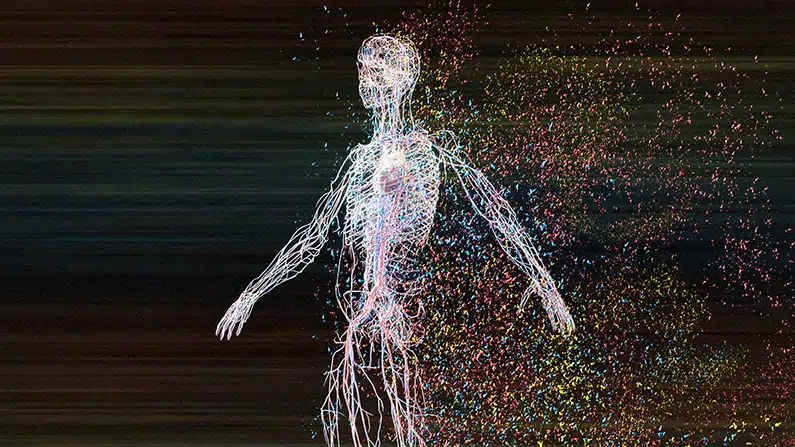
It is estimated that around 60% of the clothes we wear today are made from plastic-based materials, such as polyester, nylon, and acrylic, which are common synthetic fibres. When these garments are washed, millions of microfibres — plastics on a microscopic scale — are released into the water.
It has been estimated that each load of laundry can release more than 9 million microfibres into waterways, significantly contributing to plastic pollution in oceans and lakes. [source]
5 Common Questions About Microplastics
They are extremely small plastic particles that originate from the breakdown of larger plastic items or are manufactured at microscopic sizes. Their danger lies in their ability to enter the body, persist in the environment, and trigger inflammation, oxidative stress, and potential long-term health effects.
They are found almost everywhere — in air, water, food, soil, household dust, and even remote natural environments. Common sources include synthetic clothing, tyres, plastic packaging, household items, and food containers.
Yes. They can enter through inhalation, food, and drinking water. Research has detected them in blood, organs, breast milk, and placentas, showing that they are capable of circulating throughout the body.
Children may be especially vulnerable because their bodies and immune systems are still developing. Exposure has been linked to potential hormonal disruption, inflammation, and increased sensitivity to environmental toxins, although research is still ongoing.
While complete avoidance is impossible, exposure can be reduced by using glass or stainless steel containers, avoiding heating food in plastic, choosing natural fibres, ventilating indoor spaces, and limiting ultra-processed foods.