
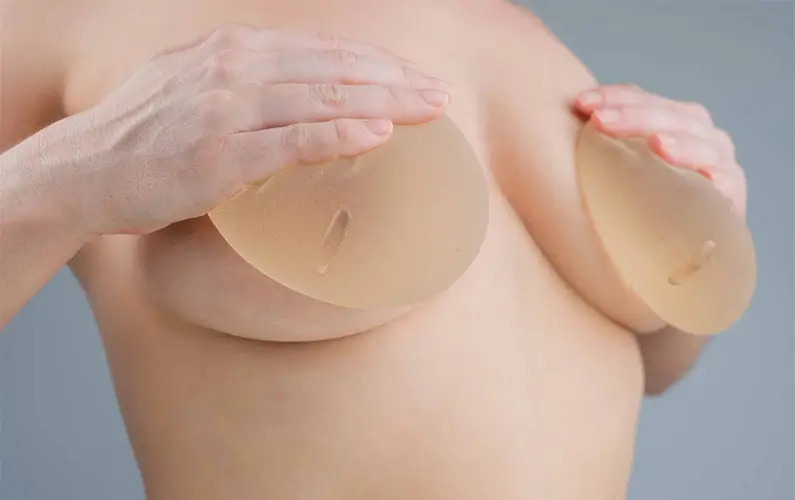
Silicone has a reputation that usually points in one direction — cosmetic surgery. For many people, the word instantly brings to mind breast implants, glossy magazine covers, and heated debates about beauty standards. But behind the headlines is a material that’s far more complex (and misunderstood) than most people realize.
When it comes to breast implants, silicone has been studied, tested, questioned, and improved for decades. Modern versions are designed to be durable, flexible, and safe — yet myths still linger. In this article, we break down ten fun and unexpected facts about silicone, separating science from assumptions and adding a few eyebrow-raising details along the way.
1 No, silicone and silicon are not the same thing…
Silicone is often confused with silicon, but they are actually two very different substances. Silicon is a naturally occurring chemical element, found abundantly in sand and rock.
Silicone, on the other hand, is a synthetic polymer that is typically made using silicon combined with oxygen, carbon, and hydrogen. In short: one comes straight from nature, the other is engineered for flexibility, durability, and everyday use. [source]
2 From breast implants to medical tubing and kitchen tools…
Silicone is used in a wide range of products. It can be found in everything from breast implants and medical tubing to cookware, seals, and cosmetics.
It also comes in many different forms, including silicone gel, silicone oil, and silicone rubber, each designed for specific purposes depending on flexibility, durability, and resistance to heat or chemicals. [source]

3 Useful because of its unique properties…
Silicone is highly valued for its unique combination of properties. It is flexible and elastic, allowing it to be molded into a wide variety of products.
It is also waterproof, heat-resistant, and low in toxicity, which is why it’s commonly used in medical, cosmetic, and everyday applications where safety and durability matter. [source]

You may also like
4 Silicone is widely used in makeup products as well…
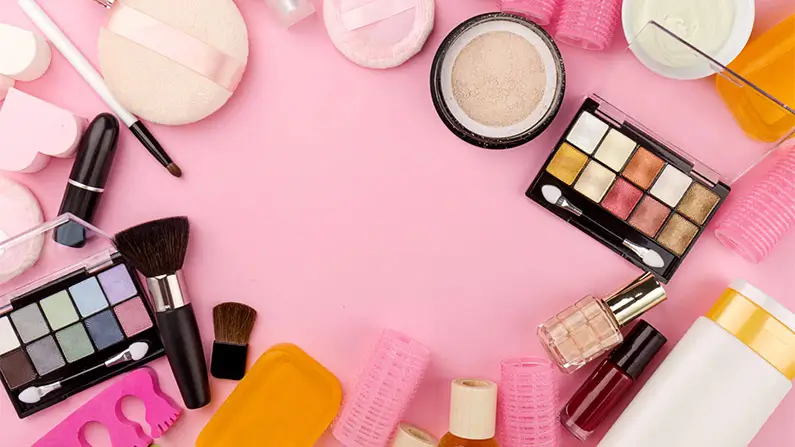
Silicone-based makeup products are extremely popular. It’s commonly used in items like foundations and primers because of its smoothing and blurring properties.
By creating a lightweight, silky layer on the skin, silicone can help achieve more even application and a softer, smoother feel, which is why it’s a favorite ingredient in many cosmetic formulas. [source]
5 From breast implants and makeup to electronics…
Silicone is also widely used in technology and electronic devices. It helps protect and insulate electrical components, while also being used to create waterproof seals in a wide range of products.
Thanks to its durability and resistance to heat and moisture, silicone plays a key role in keeping modern electronics safe, stable, and long-lasting. [source]
6 Beyond breast augmentation, it’s even used as implants in animals…
Silicone implants have had some unexpected “careers”. While they’re best known for their role in cosmetic surgery, they’ve also been used in unusual medical applications.
In some cases, silicone implants have been used to create hip implants for cats and dogs suffering from hip dysplasia, a hereditary joint condition. These unconventional uses highlight just how versatile the material can be in both human and veterinary medicine. [source]

You may also like
7 “Miss Silicone” sparks strong reactions…
There is even an annual competition dedicated to silicone implants. In Ukraine, a contest called “Miss Silicone” is held, where women with silicone implants compete for the title.
The competition is undeniably unusual and has drawn both widespread attention and sharp criticism, with opinions divided over beauty ideals, objectification, and personal choice. [source]

8 Also used to reconstruct parts of the body, including ears…
Silicone implants can also be used in reconstructive surgery, including the reconstruction of ears. In cases where a person is born without ears due to congenital conditions or loses them because of injury or accidents, surgeons can use silicone implants to recreate realistic ear structures.
These procedures can play an important role in restoring both appearance and confidence, highlighting silicone’s value beyond cosmetic applications alone. [source]

You may also like
9 Silicone can even improve the acoustics of musical instruments…
Silicone isn’t just useful in medicine and cosmetics — it can also affect sound. One unusual application is the use of small silicone inserts to help improve the acoustics of musical instruments.
By placing silicone in specific parts of an instrument, resonance and sound quality can be fine-tuned, resulting in clearer tone and better balance. It’s a lesser-known example of how silicone’s properties extend far beyond what most people expect. [source]

10 Silicone implants can sometimes cause issues at airport security…
Silicone implants may occasionally be detected by airport security scanners. In some cases, they can trigger alerts during screening, especially with advanced body scanners.
This can lead to additional checks or brief confusion at security control — usually harmless, but sometimes awkward. It’s an unexpected side effect that many people don’t realize until it happens. [source]

You may also like
Xtra Silicone breast implants are sometimes nicknamed “gummy bears”…
Some modern silicone breast implants are commonly referred to as “gummy bear implants“. The nickname comes from their thick, cohesive gel, which keeps its shape even if the implant shell is damaged — much like a gummy bear that stays intact when cut.
This design makes them less likely to leak, while still feeling soft and natural. It’s one of the reasons they’ve become a popular option in cosmetic and reconstructive surgery. [source]
5 Frequently Asked Questions About Silicone
It is made by combining silicon with oxygen, carbon, and hydrogen, creating a flexible, durable synthetic material used in medical, cosmetic, and industrial products.
Yes. Medical-grade versions are extensively tested and widely used in implants, tubing, and prosthetics due to their biocompatibility and low toxicity.
Modern implants use cohesive gel designed to hold its shape, which greatly reduces the risk of leakage compared to older designs.
No. While very durable, implants and products are not considered lifetime devices and may need replacement after many years due to wear or medical reasons.
Because it combines flexibility, heat resistance, water resistance, and stability, making it useful across medicine, cosmetics, electronics, and everyday products.