

Women are inseparable from the fabric of history and represent a vital and dynamic force within society. Their contributions to every aspect of human development — from science and politics to art and literature — are indispensable and unparalleled. That’s why we’re presenting ten facts you may not have known about women — even if you happen to be one yourself!
1 The performance gap between male and female elite athletes…
The performance difference between male and female elite athletes is almost exactly 10%. Scientific evidence suggests that women, on average, will not run, jump, or swim at the same level as men due to men’s generally stronger physical build. However, keep in mind that this does not apply to all men and women, and no new studies on this topic have been conducted since 1983. [source]
2 An American First Lady fought hard for women’s right to work…
As First Lady to U.S. President Franklin D. Roosevelt, Eleanor Roosevelt allowed only female journalists at her press conferences, which effectively forced newspapers to hire women in order to gain access. [source]

3 Why buttons are usually on the opposite side for women’s clothing…
Men’s and women’s clothing button on opposite sides because men traditionally dressed themselves, while women in high society were often dressed by servants. Reversing the buttons on women’s garments made it faster and easier for the servants to help them get dressed. [source]

You may also like
4 Women are on the rise in Algeria…
In Algeria — the largest country in Africa and the 35th most populous in the world — women make up 70% of the nation’s lawyers and 60% of its judges, and they also dominate the medical field. Women are increasingly contributing more to household income than men, and 60% of university students are women. [source]

5 A study has proven that free contraceptives have a huge impact…
A study conducted in St. Louis, USA, provided free contraceptives to young women. In the following years, these women had about 72% fewer abortions and 80% fewer teenage pregnancies compared to the national average in the United States. [source]
6 Women can have a genetic mutation that gives them “super vision” for colors…
Some women may have a genetic mutation that gives them a fourth type of color-sensing cone in the eye, allowing them to see millions more color shades than the average woman. [source]

You may also like
7 Mini golf originated because men refused to play golf with women…
Mini golf was invented in 1867 because women were considered “unable to play real golf“. Victorian etiquette dictated that women were not allowed to raise golf clubs above their shoulders during a backswing, which led to the creation of a modified, more “appropriate” version of the game — mini golf. [source]

8 Women are more likely than men to attempt suicide…
Women are twice as likely to initiate a suicide attempt, but men are four times more likely to die from a suicide attempt. [source]

You may also like
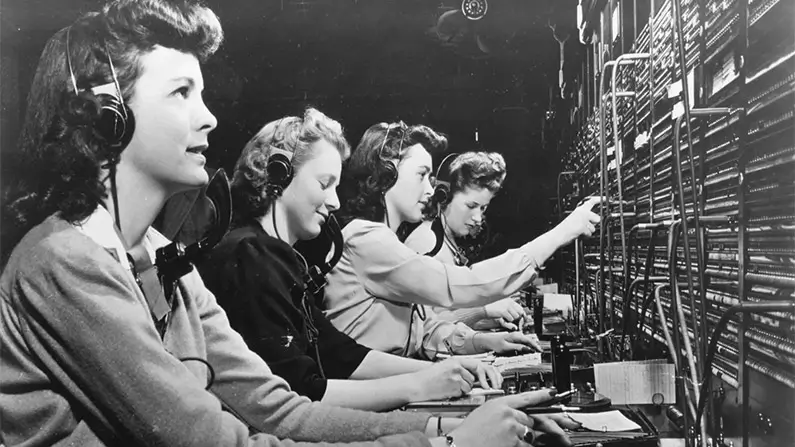
9 Girls took over as telephone operators for a good reason…
The first telephone operators were originally boys, but they quickly gained a reputation for being rude and offensive to callers. Young women were hired shortly after because they swore less — and were faster. [source]
10 A large study showed that women are attracted to different types of men depending on living conditions…
Women in poorer countries with lower health and living standards tend to be more attracted to men who look masculine, while women in wealthier countries with better living conditions generally prefer more feminine-looking men. [source]

You may also like
5 Common Questions About Women
Women generally live longer because they have biological advantages, including protective effects of estrogen, stronger immune responses, and lower rates of risky behavior. Genetics also contribute to women’s greater average lifespan.
Studies show that women often have higher pain sensitivity, but they may also have greater pain endurance due to hormonal influences and differences in how the brain processes pain. However, pain perception varies widely between individuals.
Research is mixed, but some studies suggest women may perform better in multitasking situations because of differences in brain connectivity. Still, no strong evidence proves women are biologically superior multitaskers, and individual ability matters more.
Women typically mount stronger immune responses than men because estrogen enhances immune activity, while testosterone can suppress it. This helps women fight infections more effectively — but also makes them more prone to autoimmune diseases.
Women often develop verbal and language skills earlier and more strongly than men, possibly due to brain structure differences and hormonal influences during development. They may excel in communication, vocabulary, and emotional expression.