
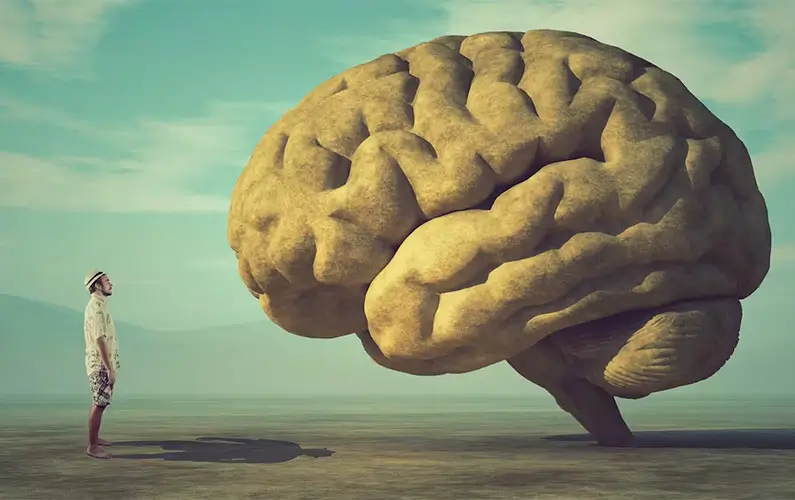
Did you know that your brain is one of the most fascinating and complex organs in the universe? Despite weighing only about 1.4 kilograms, it is responsible for everything from your thoughts and emotions to keeping your body alive. It’s easy to take it for granted, but the brain is filled with incredible secrets and unexpected abilities.
In this article, we’ll reveal ten astonishing facts about the brain that you probably didn’t know — from its ability to change and adapt to what it’s actually doing while you sleep. Join us and prepare to be amazed!
1 Our brain never stops developing…
The brain continues to grow and change constantly. This process is called neuroplasticity, meaning the brain can create new synapses and connections as we learn new things or form memories. This is part of how we adapt and change based on our experiences. Neuroplasticity is just one fascinating aspect of how the brain works! [source]
2 The brain demands an incredible amount of energy…
The brain uses about 20% of the body’s oxygen and blood, even though it only makes up around 2% of total body weight. It also requires a significant portion of the energy we get from food — an estimated 20% of our total energy consumption. This is because the brain is highly active and needs fuel to carry out its functions, such as thinking, memory, and regulating the body’s processes. [source]
3 The brain’s energy: how much power your brain needs to function…
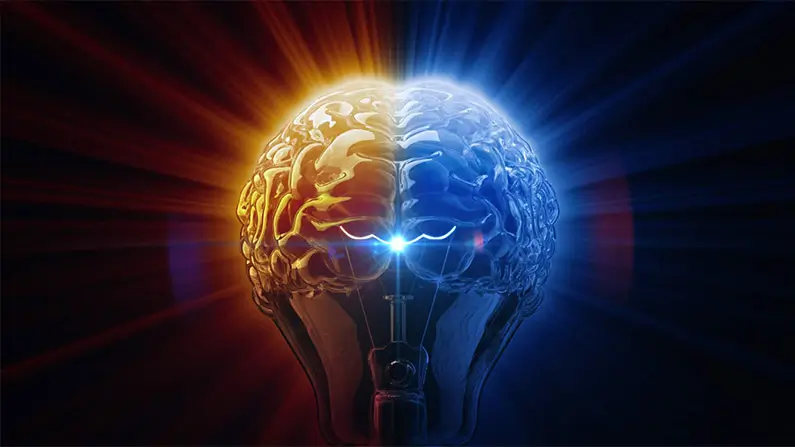
As mentioned, the brain is an energy-demanding organ, and while awake it can consume enough energy to power a small light bulb. Research has shown that our brain uses about 20 watts of energy when we are awake — roughly the same amount needed to keep a light bulb lit. [source]

You may also like
4 A chaotic upbringing affects the brain immensely…
Chaotic and conflict-filled homes can negatively impact brain development in ways similar to the effects of trauma experienced by soldiers in war. Studies have shown that stressful and insecure environments during childhood can lead to changes in the brain’s structure and function, including an increased risk of anxiety, depression, and other mental health issues. Just like soldiers exposed to trauma, children in dysfunctional households can experience long-lasting effects on their brain health and overall well-being. [source]

5 How dangerous a too-strict diet can be for your brain…
An overly strict diet can lead to negative effects on the body, including the body beginning to break down its own muscle tissue and, in some cases, even nerve tissue in the brain for energy — a process known as catabolism. This can occur when calorie intake is too low for an extended period.
To lose weight in a healthy way, it’s always best to consult a doctor or dietitian. They can help create a balanced eating plan that supports both weight loss and overall health. [source]
6 The smell of chocolate can influence the brain and the body’s reactions…
Research has shown that certain aromas — including chocolate — can affect our brain waves and help us relax. The scent can stimulate the brain’s reward system, increasing feelings of well-being and reducing stress. So enjoying the smell of chocolate can actually have positive effects on both mood and relaxation. In other words, chocolate is more than just delicious! [source]

You may also like
7 When you get extremely drunk, your brain stops creating new memories…
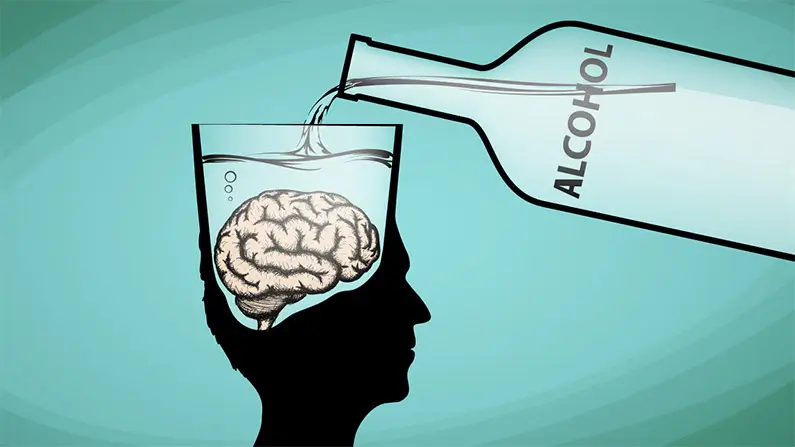
When you drink large amounts of alcohol, it can impair the brain’s ability to form new memories. Alcohol disrupts the processes needed to consolidate memories, which can lead to memory gaps from the time you were intoxicated. It’s not that the brain “forgets” what happened — it’s that it cannot store those experiences as memories. This phenomenon is sometimes called a “blackout“.
But surely you haven’t experienced that… right? [source]
8 Our brain protects us from acting out our dreams while we sleep…
When we dream — especially during REM sleep (Rapid Eye Movement) — a temporary muscle paralysis called REM atonia occurs. This prevents us from physically acting out our dreams, protecting us from injuring ourselves or others during sleep. [source]
You may also like
9 Parts of the brain can be removed without affecting your personality or memories…
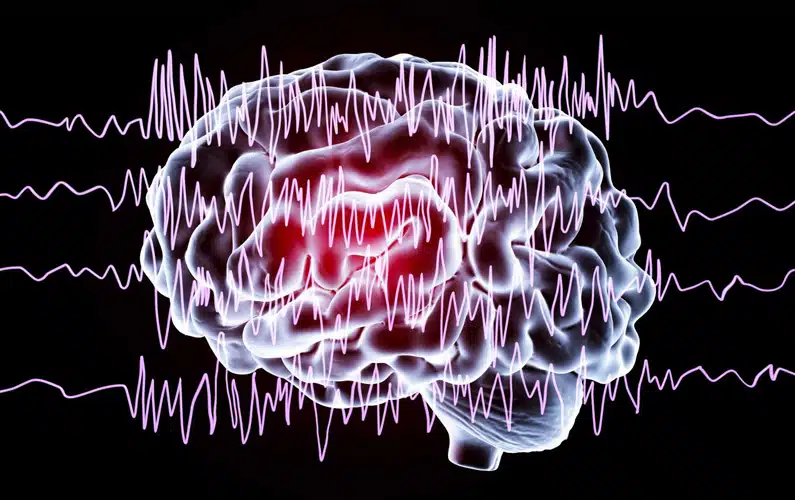
There are cases where people have undergone surgery to remove a portion of the brain — for example, to treat severe epilepsy — and many of them have retained their personality and memories. The brain is highly adaptable, and some functions can be taken over by other regions. However, it’s also important to note that such procedures can lead to changes in cognitive abilities and behavior, depending on which areas are affected.
Even though we have learned a great deal about the brain, it remains a deeply complex organ, and much research is still being done to understand how it works and how it shapes our thoughts and emotions. So don’t try performing brain surgery on your friend to understand them better — that’s what scientists are for! [source]
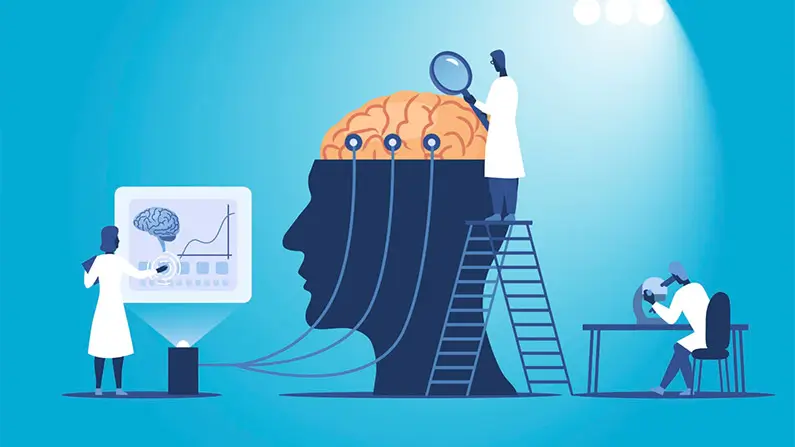
10 Our brain has no pain receptors at all…
The brain has no pain receptors, which means it cannot feel pain itself. This explains why brain surgery can often be performed while the patient is awake, as long as the surface of the head is properly anesthetized.
However, even though the brain lacks pain receptors, headaches are caused by pain signals from other structures in the head and neck, such as blood vessels, nerves, muscles, and mucous membranes. When these structures are affected by inflammation, tension, or changes in blood flow, they send pain signals to the brain — which we then experience as a headache.
So while the brain itself cannot feel pain, it can still interpret pain signals from other parts of the body, giving rise to what we commonly experience as a headache. [source]
You may also like
Xtra Supercomputers from 2014 were no match for the human brain…
In 2014, it was considered a major achievement for computers to simulate brain activity — but our brain is astonishingly efficient in how it processes information. What a supercomputer needed 40 minutes to accomplish, the human brain could do in just one second. This highlights the vast differences between biological and artificial intelligence, with the brain able to perform complex tasks using far less energy and far less time than even the most powerful computers of that era. But who knows what the future will bring? [source]
5 Common Questions About the Brain
We use 100% of our brain, just not all at the same time. The myth that we only use 10% has been debunked — every part of the brain has a function, even during rest.
Yes. The brain is capable of neuroplasticity, meaning it can rewire itself, form new connections, and adapt throughout life. This happens when we learn new skills, recover from injuries, or build new habits.
No — the brain has no pain receptors, so it cannot feel pain directly. However, it interprets pain signals from other parts of the body, which is why we still experience headaches.
The brain uses about 20% of the body’s total energy, even though it makes up only around 2% of body weight. It requires this energy to maintain thinking, memory, communication between neurons, and essential bodily functions.
During sleep, especially deep and REM sleep, the brain cleans out toxins, consolidates memories, processes emotions, and restores functions needed for learning and focus. Sleep is crucial for brain health, not just rest.