

Our heart is one of the most fascinating organs in the body — a tireless machine that works around the clock without ever taking a break. It’s not only a symbol of love and emotion, but also a powerful pump that keeps us alive. But how much do you really know about this organ? In this article, we’ll reveal 10 incredible facts about this remarkable organ that will leave you astonished. From its impressive strength to its ability to influence our health in unexpected ways — join us as we dive into the secrets of the heart!
1 This is how your heart works…
The heart pumps blood through a combination of electrical and mechanical processes. It begins with electrical impulses generated by the sinoatrial (SA) node, the heart’s natural pacemaker. These impulses cause the atria to contract, pushing blood into the ventricles.
The signal then passes through the AV node, which delays the impulse slightly to ensure the ventricles fill with blood before they contract. Once the impulse reaches the ventricles, they contract forcefully and pump blood out into the body — the right ventricle sends blood to the lungs for oxygenation, and the left ventricle pumps oxygenated blood to the rest of the body.
The heart’s muscle tissue (myocardium) enables these rhythmic contractions and relaxations, keeping blood continuously circulating. [source]
2 Here is where your heart is located…
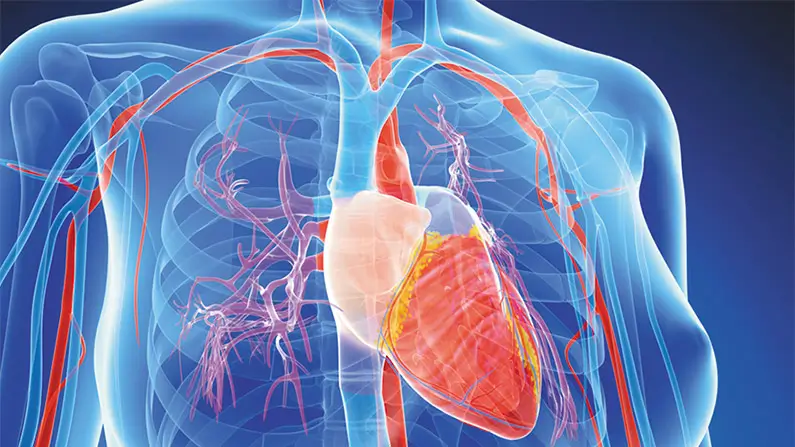
The human heart sits in the chest cavity, between the lungs, and is slightly shifted toward the left side of the body. More specifically, the organ lies behind the sternum (breastbone) and above the diaphragm. The lower tip of the heart, called the apex, points downward and to the left. Its position is protected by the ribcage and surrounded by a fluid-filled protective sac known as the pericardium. [source]
3 The heart can even beat outside your body…
The heart has its own electrical impulse and can continue beating autonomously even outside the body, under the right conditions. It contains a specialized electrical conduction system with cells that generate and spread electrical signals, causing the heart muscle to contract.
This electrical activity begins in the sinoatrial (SA) node, the heart’s natural pacemaker. Because of this, the heart can keep beating for a period of time even when removed from the body, as long as it receives sufficient oxygen and nutrients. This is why the heart is sometimes called “the little conductor” — it has the remarkable ability to maintain its rhythm independently. [source]
You may also like
4 This is how much your heart weighs…
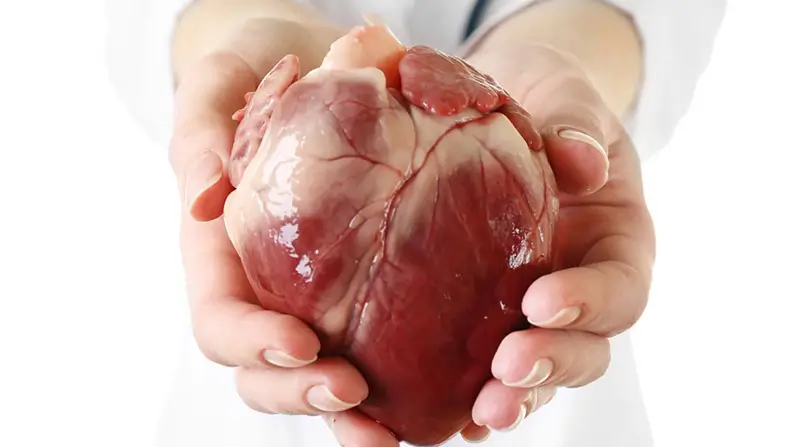
A human heart typically weighs between 250 and 350 grams in an adult. The weight can vary depending on age, sex, and overall health. In general, the organ tends to be slightly lighter in women than in men. [source]
5 How much blood your heart pumps each day…
The heart pumps about 7,500 liters of blood per day in an adult human. This estimate is based on the heart beating around 70 times per minute and pumping approximately 70 milliliters of blood per beat.
In other words, over the course of an average lifetime, the heart pumps enough blood to fill roughly 200 tanker trucks. [source]
6 Your heart can even synchronize to music…
Music can influence a person’s heart rate. This phenomenon is sometimes referred to as “heart music” or “musical arrhythmia“. Studies have shown that music can have a direct effect on the autonomic nervous system, resulting in changes in heart rate. Faster music can raise heart rate and increase pulse, while slower, calming music can lower heart rate and promote relaxation. [source]

You may also like
7 The first pacemaker was implanted in Arne Larsson at Karolinska Hospital in Sweden…
The first implantable pacemaker was used in 1958 on Arne Larsson in Sweden. Ironically, he actually outlived the surgeon who implanted the device. Arne Larsson died at the age of 86 from an illness unrelated to his heart.
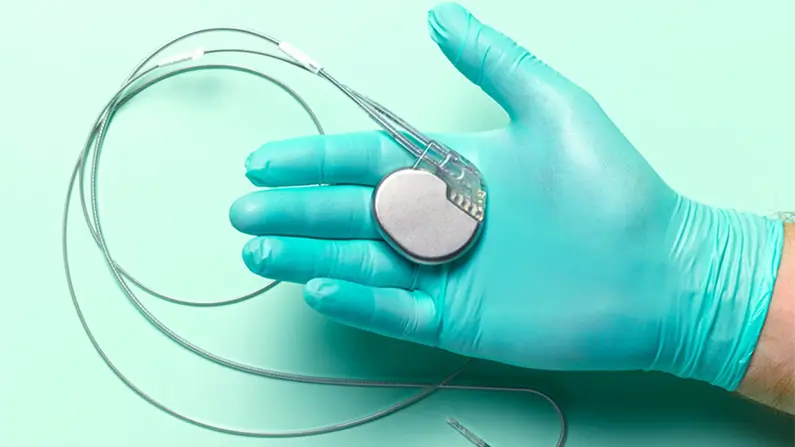
The procedure was performed by Rune Elmqvist, the Swedish engineer who developed the pacemaker, and Åke Senning, the surgeon who carried out the operation, at Karolinska Hospital in Solna. The image below shows what a pacemaker looks like. [source]
8 As a smoker, you have a 200–400% higher risk of a heart attack…
Smoking significantly increases the risk of heart attacks, according to the American Heart Association and other health sources. Being a smoker can raise the risk by 200% to 400%, meaning smokers have a much higher likelihood of developing cardiovascular disease compared to non-smokers.
Smoking affects blood pressure, cholesterol levels, and the blood’s ability to carry oxygen, all of which increase the strain on the heart and elevate the risk of serious heart problems. [source]
You may also like
9 You can die from a “broken heart” — but it’s extremely rare…
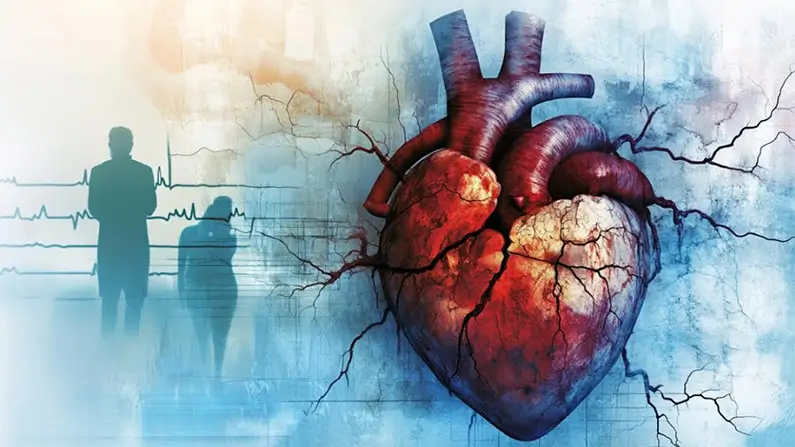
Death from a “broken heart“, also known as broken heart syndrome, is possible but extremely uncommon. The medical condition — formally called takotsubo cardiomyopathy or stress cardiomyopathy — can occur as a reaction to intense emotional or physical stress.
It can mimic the symptoms of a heart attack, but in most cases the prognosis is good, and most patients recover fully without long-term effects. However, severe cases can lead to heart failure, and in very rare instances, death. These fatal cases are very unusual and typically occur in older individuals or those with pre-existing heart conditions. [source]
10 Studies show that vegetarians have a lower risk of developing cardiovascular disease…
Research has shown that vegetarians have a lower risk of developing heart disease compared to non-vegetarians. According to studies, vegetarians generally have about a 19% reduced risk of heart disease. This can be attributed to several factors, including a diet rich in fruits, vegetables, whole grains, and legumes, which are beneficial for heart health, as well as a lower intake of saturated fats and cholesterol from animal products.
This finding is supported by multiple large studies and health guidelines that recommend a plant-based diet as part of a healthy lifestyle to help reduce the risk of cardiovascular disease. [source]
You may also like
5 Common Questions About the Heart
On average, the heart beats around 100,000 times per day, pumping blood continuously to keep the body functioning. Over a lifetime, that adds up to billions of heartbeats.
Yes. Some people experience silent heart attacks, where symptoms are mild or mistaken for indigestion, fatigue, or stress. These are dangerous because people delay seeking treatment without realizing what’s happening.
Heart palpitations are often caused by stress, caffeine, dehydration, lack of sleep, or anxiety, but they can also signal underlying heart rhythm disorders. Most are harmless, but persistent palpitations should be evaluated by a doctor.
No — chest pain can come from muscles, nerves, the stomach, or the lungs. However, pressure-like chest pain, especially if it radiates to the arm, jaw, or back, can indicate a heart attack and requires urgent medical attention.
A healthy heart is supported by regular exercise, a balanced diet, not smoking, managing stress, and maintaining healthy cholesterol and blood pressure levels. Even small lifestyle changes can significantly reduce the risk of heart disease.