
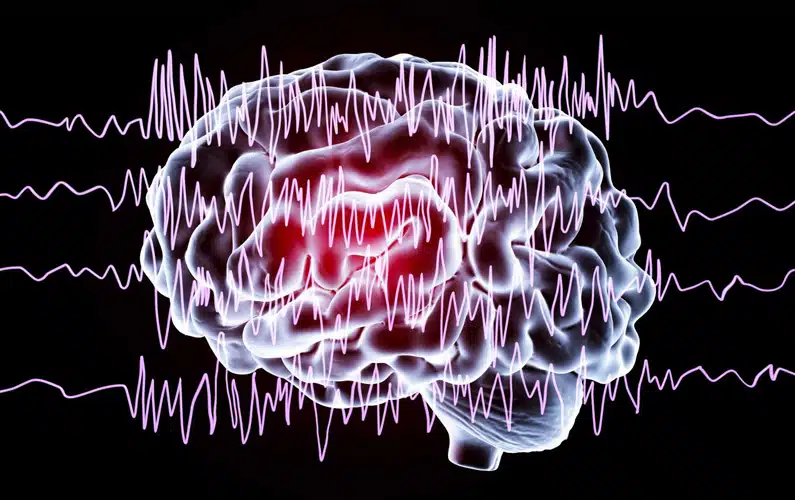
Epilepsy — from the Latin “epilepsia” — is an umbrella term for a group of brain disorders that cause recurring epileptic seizures. These seizures may involve altered consciousness, involuntary movements of the arms and legs, or other neurological symptoms, and are triggered by temporary electrical disturbances in the brain’s nerve cells.
Epilepsy is not hereditary, but it can be present from birth or develop as a result of brain injury (trauma, stroke, tumors, infections, and more). It is also fairly common for the exact cause of a person’s seizures to remain unknown. Below are ten key points that are helpful to know about the diagnosis!
1 Epilepsy used to be associated with spiritual possession…
Before modern medical science, many cultures around the world mistook epileptic seizures for signs of spiritual possession. There is even a passage in the New Testament in which Jesus performs an exorcism on a boy who is clearly experiencing an epileptic seizure. The ancient Greeks believed the seizures were punishments sent by the gods and therefore considered them sacred. Today, of course, we know better — that the convulsions originate in the brain — but despite this, there are still cultures that hold on to more superstitious explanations. [source]
2 Why some people develop epilepsy…
The brain is controlled by neurons — cells that carry electrical impulses allowing us to process the world around us. Some neurons stimulate other brain cells, while others tell them to slow down. This balance is what allows us to function normally. In people with epilepsy, too many stimulating or calming neurons fire at the same time, which in turn triggers epileptic seizures. [source]
3 Different types of seizures…
There are many different types of epileptic seizures, and how a seizure appears depends on which part — or parts — of the brain are affected. The most well-known and dramatic seizures occur when epileptic activity spreads throughout the entire brain. However, the most common type is focal seizures — seizures that affect only a specific region rather than the whole brain. In the past, these were referred to as partial seizures. There are also generalized seizures, which involve the entire brain and can cause very severe symptoms. Both focal and generalized seizures are further divided into several subcategories, depending on how they affect the individual. [source]
You may also like
4 Not all seizures are a sign of epilepsy…
Spontaneous, non-epileptic seizures can occur for a variety of reasons; anything from a severe brain tumor or stroke to low blood sodium levels or simple sleep deprivation. A patient is usually diagnosed with epilepsy after experiencing two or more seizures, or if they have a positive result on a diagnostic neurological test. The most common test, an electroencephalogram (EEG), monitors the brain’s electrical activity. [source]

5 In almost half of all cases, doctors cannot identify a specific cause…
A person can develop epilepsy for a variety of reasons. In some cases, mutations in genes related to regulatory nerve cells make certain individuals more susceptible to environmental factors that can trigger the disorder. Other causes include brain injuries, infectious diseases such as AIDS, and developmental conditions like autism. But in roughly half of all cases, the condition is cryptogenic, meaning that doctors are unable to determine a specific cause. [source]
6 Alcohol, drugs, and lack of sleep can be contributing factors in many cases…
Anything that affects how the brain functions — such as drinking alcohol, using drugs, or not getting enough sleep — can make a person more susceptible to epileptic seizures. Other triggers are much harder to avoid, especially for people with reflex epilepsy, who experience seizures as a reaction to certain stimuli, such as flashing lights or even music. [source]

You may also like
7 Can lead to temporary paralysis…
After a seizure has ended, patients may experience partial or complete paralysis, usually on one side of the body. The loss of motor function can last anywhere from 30 minutes to as long as 36 hours, though it rarely exceeds 15 hours. This phenomenon is known as Todd’s paralysis, named after the English physician Robert Bentley Todd, who first described it. [source]

8 Very few seizures are fatal…
The greatest danger during an epileptic seizure is the risk of injury from falling while unconscious and convulsing. However, most seizures do not cause serious harm on their own. One exception is tonic–clonic status epilepticus, the term for a seizure that lasts five minutes or longer. These are considered medical emergencies and can, in severe cases, lead to brain damage or even death. [source]

You may also like
9 How Common Is Epilepsy Worldwide?
Globally, epilepsy affects an estimated 50 million people, according to the World Health Organization (WHO), making it one of the most widespread neurological conditions in the world. The disorder can appear at any age, but it most commonly begins in childhood or in later adulthood. In many regions with limited access to healthcare, epilepsy is still underdiagnosed and undertreated — making awareness and early intervention especially important. [source]

10 How epilepsy can be effectively managed…
Epilepsy can be managed through several evidence-based treatments that aim to reduce the frequency and intensity of seizures. For most people, anti-seizure medications are the first and most effective line of therapy. When medication alone isn’t enough, other options may be considered — such as specialized dietary therapies, neurostimulation devices that help regulate abnormal brain activity, or, in certain cases, targeted brain surgery to remove seizure-producing tissue. Because epilepsy presents so differently from person to person, treatment plans are always highly individualized. [source]
You may also like
5 Common Questions About Epilepsy
Epilepsy is a neurological condition that causes recurrent, unprovoked seizures due to abnormal electrical activity in the brain.
Epilepsy can be caused by genetics, brain injuries, infections, stroke or developmental disorders, but in many cases the exact cause is unknown.
No. There are many different types of seizures, ranging from brief staring spells to convulsions with loss of consciousness.
Yes. Most people with epilepsy can live full, active lives, especially with proper treatment, medication and support.
You should stay calm, protect them from injury, turn them on their side and never put anything in their mouth during a seizure.