
There are countless churches around the world. The word ‘church’ comes from the Greek term kyriakon (Κυριάων), meaning ‘belonging to the Lord’, or more commonly interpreted as ‘the house of the Lord’. Perhaps you’re one of the many who visit church regularly, or maybe you simply want to learn more about churches across the globe. If so, this article is the perfect place to start!
1 The Prophet Muhammad declared protection for Christian churches and monasteries in Muslim lands…
The Prophet Muhammad wrote an open letter to Christians stating their right to self-governance, the protection of their churches and monasteries, and their freedom to openly practice their religion in areas under Muslim rule. According to Islamic belief, this protection is meant to be upheld. [source]
2 Saddam Hussein donated millions to local churches in Detroit…
In 1980, the city of Detroit in the United States awarded Saddam Hussein the ‘Key to the City’ as recognition for the large financial donations he had made to the city’s local churches. [source]

3 The world’s richest preacher controls churches in 45 African countries…
The richest preacher in the world is David Oyedepo from Nigeria, with an estimated net worth of 150 million dollars. He owns two private jets, a 10-million-dollar mansion, and oversees churches in 45 African nations. [source]
4 Karma at its finest…
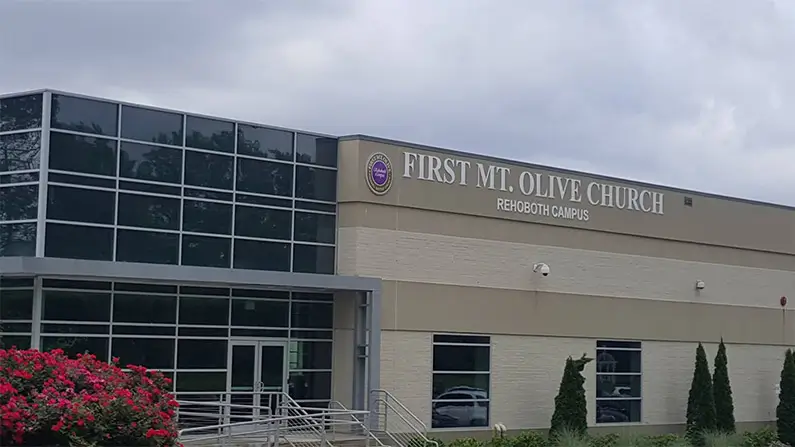
In 2007, the First Mount Olive Free Will Baptist Church purchased a luxury Bentley for $150,000 instead of paying its $12,000 water bill or reducing its $1.5 million debt. Shortly afterward, the church was struck by lightning, and the resulting fire completely destroyed the building. [source]
5 And yes, atheist churches do exist…
There are ‘atheist churches‘ for secular humanists, freethinkers, skeptics, atheists, and agnostics who want a sense of community without any connection to God or the divine. These gatherings offer the social aspect of a church — but without religion. [source]
You may also like
6 Churches were destroyed — but the brothels were spared…
In 1755, a massive earthquake struck Lisbon, Portugal, on a major Catholic holy day, destroying the city’s churches while leaving its brothels largely untouched. Tens of thousands of worshippers were killed. The event profoundly shook people’s faith in a merciful God and challenged the authority of the Church across Europe. [source]
Christianity is growing fastest in China…
Christianity is becoming increasingly popular among young people in China. As many as 100 million people — about 7% of the population — have converted to the religion. In the city of Wenzhou alone, there are more than 1,100 churches. [source]

8 More than 50 churches were burned down in Norway…
Between 1992 and 1996, members of the Norwegian Black Metal scene carried out a series of arson attacks, burning down at least 50 churches as a symbolic act of retaliation against Christianity in Norway. [source]
9 The first smoking ban was introduced in 1590 — in churches…
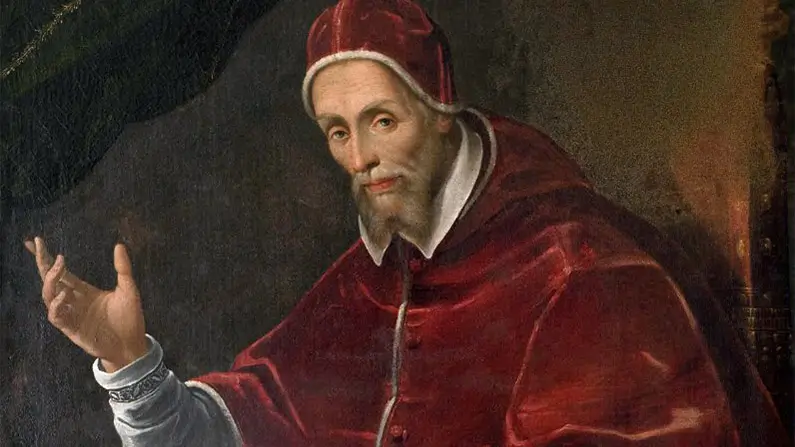
The first public ban on smoking was issued by Pope Urban VII in 1590, prohibiting the use of tobacco products inside churches. His papacy, however, lasted only 13 days, making it the shortest papal reign in history. [source]
10 The fascinating churches of Lalibela, Ethiopia…
Lalibela in Ethiopia is home to 11 monolithic churches carved directly from solid rock, all interconnected by tunnels. The roofs are level with the ground to make the churches less visible and protect them from attacks. [source]
5 Common Questions About Churches
A church is a general place of Christian worship. A cathedral is a church that contains a bishop’s seat (cathedra) and serves as the central church of a diocese. A chapel is usually a smaller worship space, often private or part of a larger institution like a school, hospital, or palace.
Churches traditionally have steeples because they point toward heaven, symbolize faith, and make the building visible from afar. Towers also historically housed bells used to call people to worship or signal important events.
Many Christian churches were designed in the shape of a cross because the cross is the central symbol of Christianity. This layout, known as a cruciform plan, became especially popular in medieval Europe.
Stained glass windows were used to tell biblical stories visually, especially in times when many people could not read. They also create a symbolic atmosphere by filling churches with colored, spiritual light.
Some of the world’s oldest churches date back to the 3rd and 4th centuries, including underground churches in the Middle East and Africa. Several early Christian sites still in use today were built during the Roman Empire.