
Sugar is one of the world’s oldest ingredients. People in New Guinea are believed to have been the first to cultivate sugarcane around 8000 BC. Today, however, sugar has become one of the world’s biggest health concerns. In many countries, governments are considering — or have already introduced — taxes on products with high sugar content. Could Sweden be next? Until then, here are some important facts about sugar as a whole.
1 Sugar can reduce the burn after eating spicy food…
If you eat a teaspoon of sugar after something spicy, it can almost completely neutralize the burning sensation in your mouth. Sugar helps counteract the heat and provides quick relief when food is too hot to handle. [source]
2 The big sugar problem in the United States…
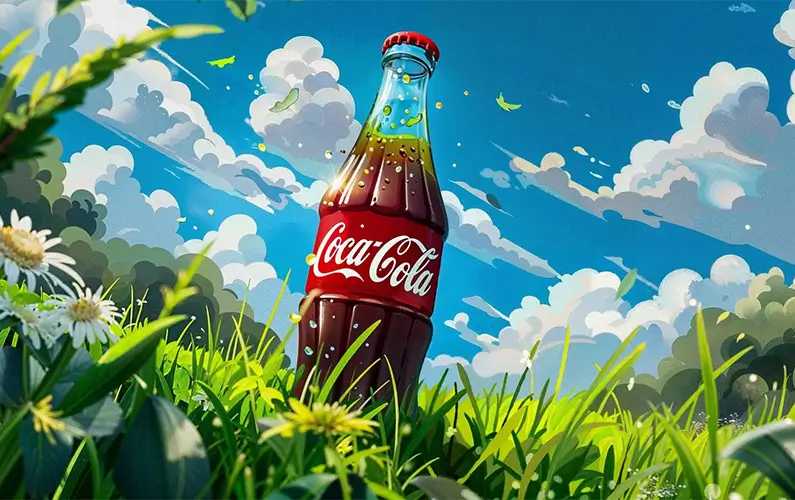
About 70% of the milk served in American schools contains an average of four teaspoons of added sugar per serving. That’s roughly half the amount of sugar found in a 330 ml can of Coca-Cola. This has sparked ongoing debates about nutrition, children’s health, and the role of added sugar in school meals. [source]

3 “Sugar rush” in children is nothing more than a myth…
The idea of a “sugar rush”, or hyperactivity in children caused by sugar intake, is actually a myth. A major review published in the Journal of the American Medical Association analyzed data from 23 studies conducted since 1984, using statistical methods to uncover patterns individual studies may have missed.
Despite tests measuring everything from academic performance and motor skills to mood, aggression, and cognitive ability, researchers found no evidence that sugar affected behavior or mental performance in the 560 children included in the analysis. [source]
4 Chewing gum was originally sugar-free…
Sugar was not added to chewing gum until 1869. Ironically, the person behind this decision was a dentist named William Semple. Dentists seem to have had quite a lot to do with sugar, because another dentist was also responsible for inventing cotton candy. [source]

5 Granulated sugar can help treat infected wounds…
The use of granulated sugar to treat infected wounds has proven to be a practical and well-documented method. Sugar has even been described as a non-specific, universal antimicrobial agent, as it can inhibit bacterial growth by drawing moisture away from microorganisms. [source]
6 We grow more of this crop than any other…
Sugar is the most widely cultivated crop in the world. In 2010, global production reached 1.69 billion tons, grown on 23.8 million hectares of land across around 90 countries worldwide. [source]
You may also like
7 A controversial and potentially carcinogenic sweetener is widely used in Europe…
Sodium cyclamate, an artificial sweetener that is 30–50 times sweeter than regular sugar, was banned by the U.S. FDA in October 1969 due to claims that it could cause cancer. That same month, however, it was approved for use in the United Kingdom, where it is still used today. [source]

8 Sugar was once sold as “large stones”…
Before the 1900s, sugar was often sold as a single solid block, and special tools were required to chip off pieces before it could be used for cooking or other purposes. [source]

You may also like
9 How you can metabolize sugar faster…
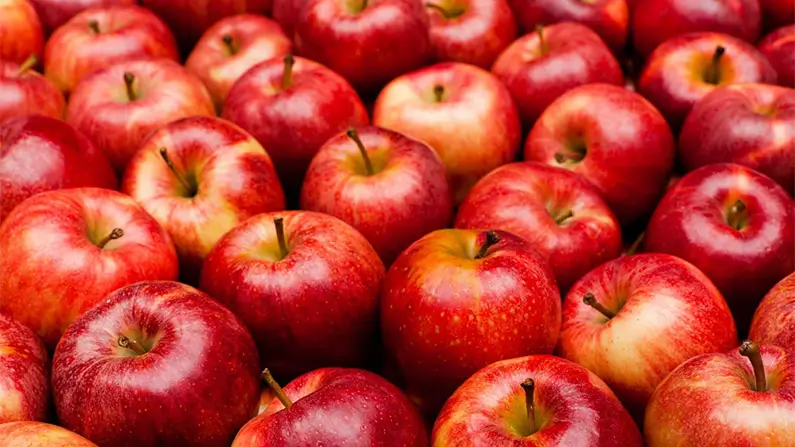
Eating an apple before a meal can help you feel fuller and may lead to lower calorie intake during that meal. In addition, adding cinnamon to your food can help your body metabolize sugar more efficiently, supporting more stable blood sugar levels. [source]
10 Take that, sodium cyclamate…
If you think sodium cyclamate is sweet — which, as mentioned earlier, is 30–50 times sweeter than regular sugar — it’s nothing compared to a newer, approved artificial sweetener. It’s called neotame, and it is up to 13,000 times sweeter than sugar. [source]
Xtra Sugar can preserve food for centuries…
Sugar has been used as a natural preservative for hundreds of years. Its ability to draw water out of bacteria through osmosis prevents microbial growth, which is why jams, marmalades, and candied fruits can last for extremely long periods without spoiling. [source]
5 Common Questions About Sugar
Sugar isn’t classified as addictive in the same way as drugs or alcohol, but it can stimulate the brain’s reward system, increasing cravings and habitual consumption in some people.
No, brown sugar is not significantly healthier than white sugar. The main difference is that brown sugar contains molasses, which adds flavor and color but only trace nutrients.
The World Health Organization recommends that added sugar should make up less than 10% of daily calorie intake, and ideally below 5% for additional health benefits.
Excessive sugar consumption is linked to obesity, type 2 diabetes, tooth decay, and heart disease, especially when it comes from sugary drinks and ultra-processed foods.
Sugars found naturally in fruits and dairy are generally less harmful, because they come with fiber, vitamins, and minerals that slow absorption and support overall health.