
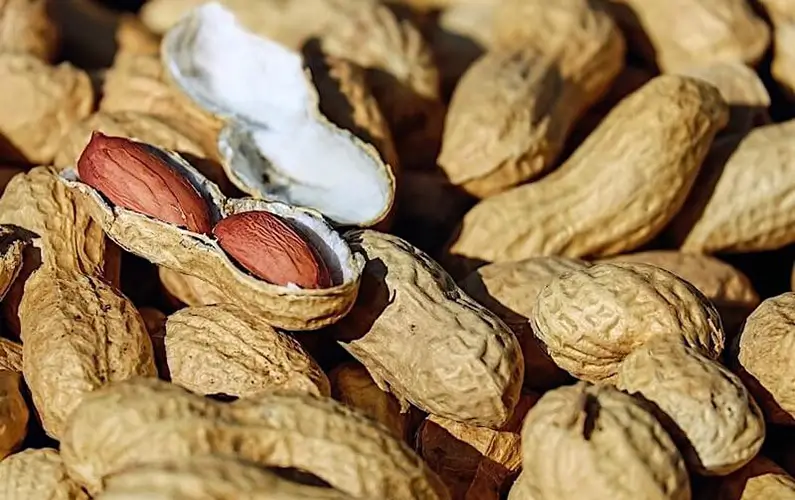
Peanuts may be small, but they’re packed with surprises. Despite being a common snack found in everything from candy bars to peanut butter, there’s a lot most people don’t know about them. From their unusual origins to their surprising role in food, health, and history, peanuts are far more interesting than they seem at first glance. Here are ten facts about peanuts that might just change how you see this everyday favorite.
1 Peanuts aren’t actually nuts…
Despite the name, peanuts are not technically nuts at all. They are actually legumes, belonging to the same family as beans and lentils. One key difference is that true nuts grow on trees, while peanuts develop underground.
After flowering, the plant’s stem bends downward and pushes the developing pods into the soil, where the peanuts form and mature. This unusual growth process makes peanuts quite different from most so-called nuts. [source]
2 But incredibly nutritious…
Peanuts are a rich source of protein, providing around 25 grams per 100 grams, which makes them an excellent option for anyone looking to boost their protein intake. Beyond protein, they contain essential minerals such as magnesium, manganese, and phosphorus, all of which play key roles in supporting the body’s functions.
They are also packed with antioxidants that help protect against harmful free radicals, dietary fiber that supports healthy digestion, and B and E vitamins that contribute to energy production and skin health. Altogether, this makes peanuts both a tasty and highly nutritious addition to the diet. [source]
3 Yes, there’s a world record for throwing peanuts…
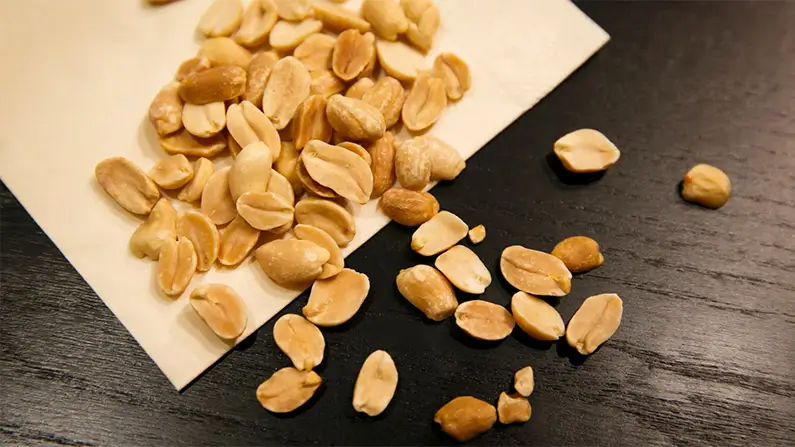
It may sound unexpected, but there is actually a Guinness World Record for the longest peanut throw. The record is held by Colin Jackson, who managed to throw a peanut an astonishing 379 meters (about 1,243 feet). That’s an impressive feat considering the peanut’s tiny size and awkward shape.
This quirky record is a perfect example of how creative — and sometimes playful — humans can be when it comes to competitions and world records. [source]
You may also like
4 Peanut oil is surprisingly versatile…
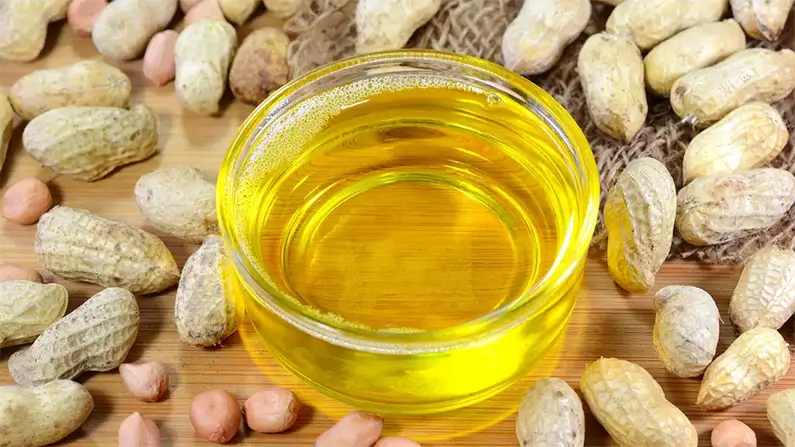
Peanut oil offers a range of potential health benefits and is widely used in both cooking and health-focused diets. It may help lower cholesterol levels, which in turn supports heart health and reduces the risk of cardiovascular disease. Some research also suggests it could play a role in supporting the immune system and promoting brain function.
In addition, peanut oil has been linked to lower blood pressure, skin protection, and overall nerve health. Thanks to its nutritional profile and high smoke point, it’s considered a versatile and healthy addition to everyday use — both in the kitchen and beyond. [source]
5 The first “intergalactic” peanut…
American astronaut Alan B. Shepard brought a peanut with him on his historic spaceflight in 1961, making it the first peanut to travel into space. While it’s often jokingly called the first “intergalactic nut,” it’s technically not a nut at all — but a legume, which makes the story even more fun.
This small and quirky detail highlights how even the simplest items from Earth have made their way into space, adding a human touch to early space exploration. [source]
6 Strict rules around peanut butter in the U.S.…
The United States consumes more peanut butter than any other country in the world. But there are also strict regulations defining what can legally be called peanut butter. If a product contains less than 90% peanuts, manufacturers are not allowed to label it as peanut butter and must use a different name instead.
These rules are in place to protect consumers and maintain quality standards, ensuring that what’s inside the jar actually lives up to expectations. [source]

You may also like
7 Peanut butter has been around for centuries…
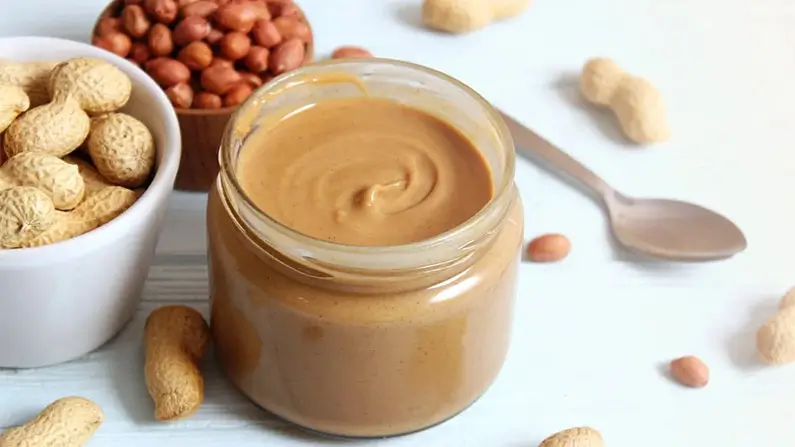
So who was the first to realize that these small, flavorful legumes could be turned into a creamy, butter-like paste? Researchers believe that the ancient Aztecs were already grinding peanuts and using them as part of their diet hundreds of years ago.
However, it wasn’t until the 1890s that a more modern, commercially viable version began to appear in the United States, laying the foundation for the peanut butter we know today. Since then, it has become a beloved staple in kitchens around the world. [source]
8 A valuable export commodity…
In the United States, one of the world’s leading exporters of peanuts, the crop ranks as the 18th most valuable agricultural product in the country. The average annual export volume ranges between 200,000 and 250,000 tons, highlighting its importance to both the agricultural economy and international trade.
Demand comes not only from the food industry, but also from other sectors where peanuts are used as a key raw material, underscoring their wide-ranging global significance. [source]

You may also like
9 Early exposure to peanuts can reduce allergy risk…
A study published in The New England Journal of Medicine reported that early introduction of peanuts dramatically reduced the risk of developing peanut allergies. Researchers from the United Kingdom and the United States found that this protective effect remained even if children later stopped eating peanuts.
The findings support the idea that the very low rate of peanut allergies in Israel may be linked to the widespread consumption of Bamba, a popular peanut-based snack commonly introduced early in childhood. [source]

10 Peanuts can actually save lives…
Plumpy’Nut© is a life-saving food made from a peanut-based paste and is used to treat severe acute malnutrition in emergency situations. It is given to children in developing countries who need to gain weight quickly and safely.
This ready-to-use therapeutic food is widely used by the United Nations and humanitarian organizations to help save lives around the world, showing how something as simple as peanuts can make a life-changing difference. [source]
You may also like
5 Frequently Asked Questions About Peanuts
No. It is a legume, meaning it belongs to the same family as beans and lentils, not tree-grown varieties.
Yes, in moderation. It contains protein, healthy fats, fiber, and essential vitamins, which support energy levels and heart health.
Research suggests that early exposure during childhood can significantly reduce the risk, especially when introduced under medical guidance.
They are naturally rich in plant-based protein and healthy fats, making them a popular food in both athletic and vegetarian diets.
When stored properly, they can last several months, but exposure to heat, air, or moisture can cause rancidity over time.