

It’s easy to assume kiwi is just another green fruit in the fruit bowl, but beneath its small skin hides a story and a set of traits that surprises most people. Its zesty flavor, unexpected nutritional power and the quirky facts surrounding its cultivation and use make it far more fascinating than many realize.
In this article, we highlight ten juicy and sweet facts that offer a whole new perspective on a fruit that’s often underestimated – and one that’s much more fun to get to know than you might think.
1 Kiwi originates from China – but was popularized by New Zealand…
The kiwi fruit originally comes from China, where it was once known as the “Chinese gooseberry” or “monk fruit” thanks to its origins in southeastern China. It made its way to New Zealand in the early 1900s, when missionaries brought seeds home from their travels.
In New Zealand, growers began cultivating the fruit commercially, and it soon received a new name: “kiwi“, inspired by the nation’s iconic, flightless bird.
The fruit skyrocketed in global popularity in the 1960s, boosted by New Zealand’s growing export industry. Today, the country remains one of the leading producers of kiwi worldwide. [source]
2 Kiwi is the perfect fruit when you want something sweet without the guilt…
Kiwis are naturally sweet yet low in calories, making them an ideal choice for anyone craving something fruity without overdoing it. They’re also packed with dietary fiber, which helps support smooth digestion and promotes a healthy gut function. [source]

3 So many powerful nutrients packed into one kiwi…
This little fruit is surprisingly rich in essential nutrients and boasts an impressive nutritional profile. Kiwis contain roughly the same amount of potassium as bananas and are loaded with vitamin C — in fact, they provide more vitamin C than oranges.
They’re also packed with vitamins A and E, along with flavonoids and valuable minerals. Remarkably, kiwi contains twice as much vitamin E as an avocado, while offering only around 60% of an avocado’s calories. This makes it a smart, nutrient-dense choice for anyone wanting a boost of vitamins and minerals without the calorie overload. [source]

You may also like
4 A rising star in homemade face masks…
Kiwi has become a popular ingredient in DIY skincare, thanks to its high levels of alpha hydroxy acids (AHA) along with vitamins C, E and K. These nutrients make the fruit ideal for gentle exfoliation, nourishment and even anti-aging benefits.
The natural fruit acids can help remove dead skin cells and stimulate cell renewal, while vitamins C and E work to brighten and even out skin tone, giving the complexion a healthy glow. Vitamin K may also help reduce dark under-eye circles and improve skin elasticity. [source]

5 Pregnant women are strongly encouraged to include kiwi in their daily diet…
This small, fuzzy fruit contains a notable amount of folate — a vital B vitamin essential for cell growth and DNA synthesis. During pregnancy, adequate folate levels are especially important, helping support healthy fetal development and reducing the risk of neural tube defects such as spina bifida.
Kiwis are an excellent natural source of folate, and eating them can help meet the recommended daily intake, which is particularly crucial for expectant mothers. That’s why pregnant women are often encouraged to include kiwis in their diet to support a healthy pregnancy and promote their baby’s development. [source]
6 You should also include kiwi in your diet if you struggle with high blood pressure…
As mentioned earlier, this fruit is rich in potassium, an essential mineral known to help lower blood pressure. A 100-gram serving — roughly one large kiwi — provides about 15% of the recommended daily intake of potassium.
Potassium is crucial for maintaining fluid balance in the body and plays a key role in regulating blood pressure by counteracting the effects of sodium. Including potassium-rich foods like kiwi in your diet can be highly beneficial for anyone looking to support healthy blood pressure levels. [source]

You may also like
7 The Actinidia genus includes more than 50 different species…
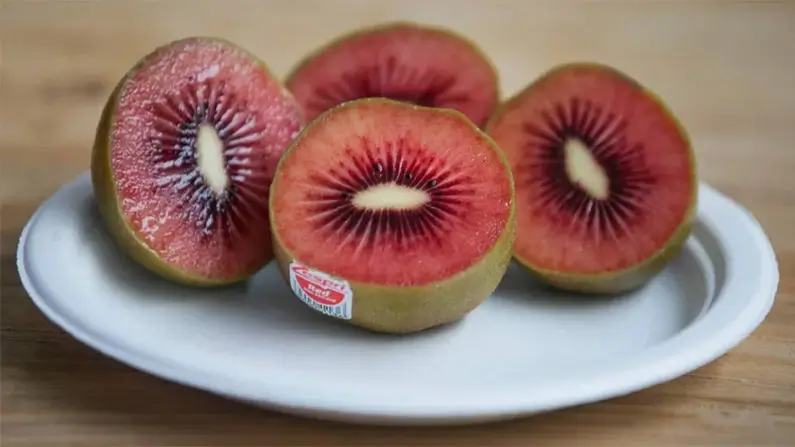
There are over 50 species within the Actinidia genus — the botanical family kiwi belongs to. Beyond the classic green variety (Actinidia deliciosa) and the golden kiwi (A. chinensis), growers have developed and cultivated other exciting types, including red kiwis (as pictured below) and baby kiwis, now found in different regions around the world.
These varieties can differ in taste, color and size, and some are better suited to specific growing conditions or match different consumer preferences. [source]
8 Eating kiwi skin isn’t dangerous — but be mindful of allergies…
You’ve probably seen someone bite into a kiwi with the skin on, just like an apple. Eating the skin is generally safe for most people, but it can cause discomfort or allergic reactions in some individuals.
The skin contains useful fiber and nutrients, but it’s also fuzzy and slightly bitter, which many people simply don’t enjoy. In addition, some may be allergic to proteins found in the skin, leading to reactions such as itching, rashes or swelling in the mouth or throat. [source]
You may also like
9 No need to worry about buying firmer kiwis at the store…
Kiwis continue to ripen after they’re picked. The fruit contains an enzyme called actinidin, which breaks down pectin and helps it soften and mature over time.
That’s why kiwis are often sold while still slightly firm, preventing overripening during transport and storage. Buying them a bit hard simply gives you the chance to let them ripen perfectly at home to the texture you prefer before eating them. [source]
10 Why kiwi doesn’t turn brown like most other fruits…
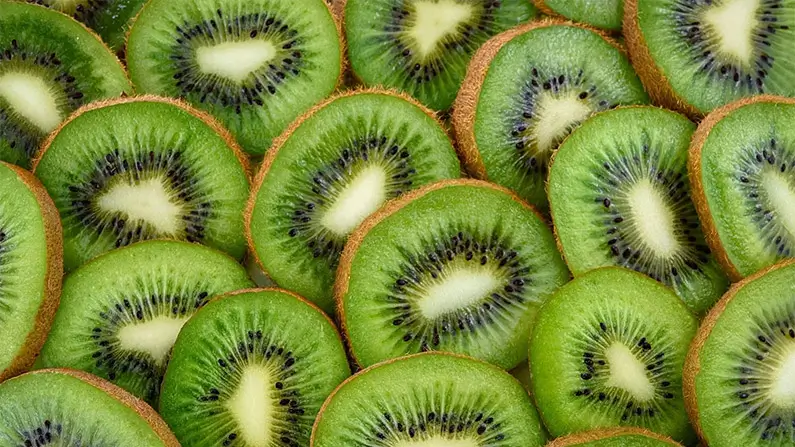
The kiwi’s high vitamin C content — combined with low levels of tannins — is believed to be the reason why sliced kiwi doesn’t develop the typical browning reaction seen in most other fruits. [source]
You may also like
5 Frequently Asked Questions About Kiwi
Yes — it can be part of a healthy daily diet, thanks to its vitamins, fiber and antioxidants. Just be mindful if you have sensitivities or oral allergies.
Most people benefit from one to two fruits a day, which provides plenty of vitamin C and fiber without excessive sugar or calories.
Absolutely. The fruit contains natural enzymes and fiber that help support digestion and promote regularity.
Yes, in moderation. It has low glycemic impact and offers nutrients and fiber, making it a smart fruit choice compared to many sweeter alternatives.
It is! The skin is rich in fiber and nutrients, though the fuzzy texture isn’t for everyone. Those with allergies should proceed with caution.