
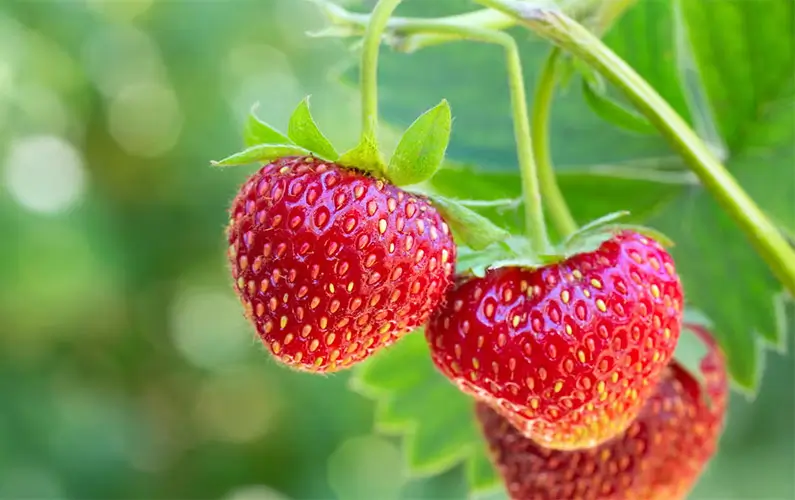
With their vibrant color and irresistible flavor, strawberries have long been a beloved symbol of summer around the world. Yet beyond their obvious appeal lies a fascinating world of surprising facts and delightful traits. Join us as we explore 10 juicy and delicious facts about strawberries—and discover what truly makes these little red fruits so impossible to resist.
1 This is where strawberries come from…
Strawberries originate from North and South America as well as Europe. In their earliest form, they grew wild in forests and open landscapes across these regions. Over the centuries, strawberries have been cultivated and refined worldwide, giving rise to numerous varieties and flavors of this incredibly popular fruit. [source]
2 So, are strawberries a fruit or a berry…?
From a botanical perspective, strawberries are a type of fruit known as “aggregate fruits”. What we commonly call berries are actually a specific subgroup of fruits in botanical terms. This means that the strawberry is indeed a fruit, and more precisely an aggregate fruit. Many people mistakenly refer to strawberries as stone fruits, but this is not correct. [source]
3 Strawberries have their seeds on the outside — and they aren’t actually seeds…
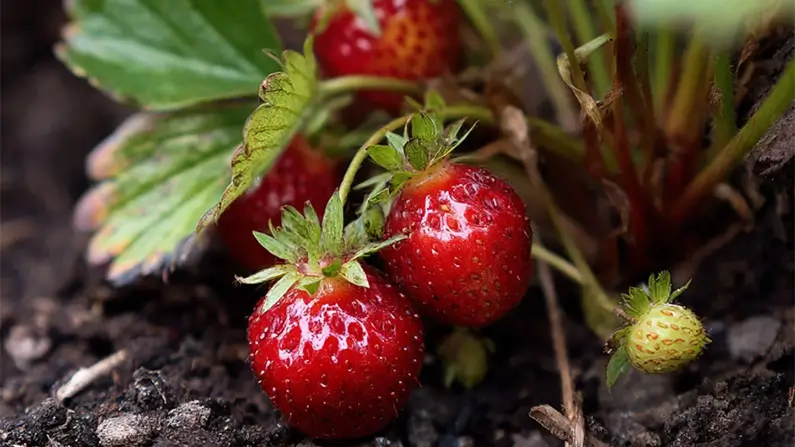
What look like tiny seeds on the surface of a strawberry are not seeds at all, but small fruits called achenes. Each of these tiny dots contains a seed inside, meaning that a single strawberry can carry more than 200 individual fruits on its surface.
This makes the fruit one of the very few fruits with their “seeds” on the outside. Botanically speaking, it’s actually the small dots that are the true fruits, while the juicy red part is a swollen flower receptacle rather than a fruit itself. [source]
You may also like
4 This is how healthy strawberries really are…
Strawberries are incredibly healthy thanks to their nutrient-rich profile and wide range of health benefits. They are low in calories yet packed with essential nutrients such as vitamin C, vitamin K, folate (vitamin B9), and potassium. These nutrients play a key role in supporting the immune system, blood clotting, cell health, and healthy blood pressure levels.
Beyond their nutritional value, strawberries are also an excellent source of antioxidants, particularly flavonoids. These antioxidants help fight damage caused by free radicals in the body, which may reduce inflammation and promote long-term overall health.
The fruit are also rich in dietary fiber, which is important for supporting the digestive system and maintaining a healthy gut. Their low glycemic index makes them a smart choice for those looking to manage blood sugar levels. [source]
5 Believe it or not, strawberries are closely related to roses…
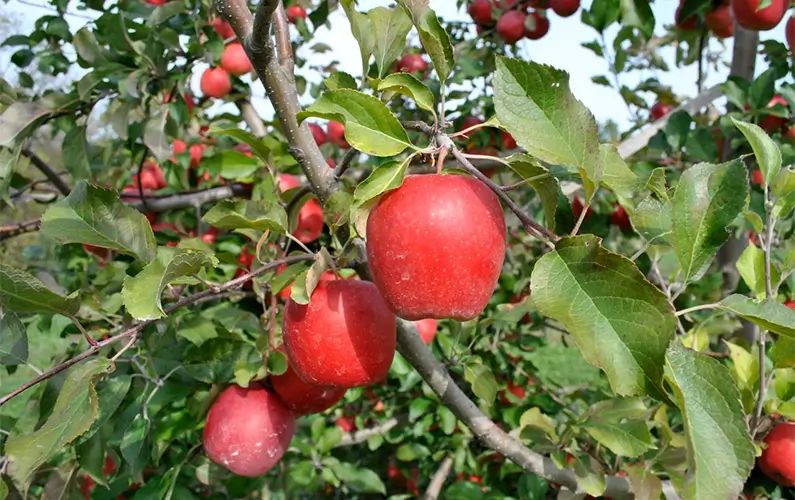
Strawberries and roses are in fact related—as surprising as that may sound. Both belong to the Rosaceae family, which means they share a common taxonomic origin. This plant family includes a wide variety of species, such as well-known fruit trees (like apples and pears) as well as ornamental flowers (including roses and our beloved strawberry).
From a scientific standpoint, the strawberry is a hybrid species, created through the crossbreeding of different wild species within the Fragaria genus. Roses, on the other hand, are famous for their beautiful blooms and include a vast range of species and hybrids.
Although they serve very different purposes—strawberries are cultivated for their fruit, while roses are grown for their flowers—they share many genetic and morphological similarities due to their shared place within the Rosaceae family. [source]
6 This is how many different strawberry varieties exist…
There are countless strawberry varieties found around the world—an estimated 600 in total—varying in characteristics such as size, color, flavor, and adaptability to different climates and growing conditions. One of the most common and commercially cultivated varieties is Fragaria × ananassa, also known as the garden strawberry. It is prized for its large fruits and sweet taste, and it’s usually the variety people enjoy during celebrations like Midsummer.
There are also alpine strawberries, a group of wild species that are well adapted to colder climates and higher elevations.
Musaica varieties are modern hybrids that are popular for their high yields and large fruits. Beyond these well-known types, there are local and regional strawberry varieties all over the world—each with unique characteristics and flavors, carefully adapted to specific regions and cultivation methods. [source]

You may also like
7 Strawberries have been shown to help reduce the risk of cancer…
Strawberries are packed with vitamins—especially vitamin C, B6, and K—as well as powerful antioxidants that help strengthen the immune system and protect cells from damage, as mentioned earlier in point 4. Their fiber content supports healthy digestion and helps maintain stable blood sugar levels.
Research suggests that regular consumption of strawberries, as part of an overall healthy lifestyle, may help reduce the risk of heart disease and certain types of cancer.
That said, it’s important to clarify that strawberries do not cure cancer. Instead, they may contribute to lowering the risk of certain diseases, including some forms of cancer, when consumed as part of a balanced diet. [source]
8 Bananas aren’t the only healthy option before a workout…
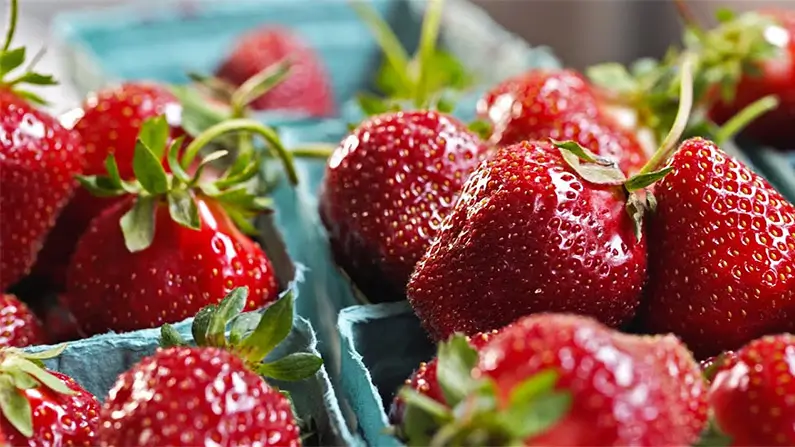
Eating strawberries before exercise can be beneficial, as they contain antioxidants that may help improve oxygen transport and blood circulation in the body. In addition, their low calorie content and high fiber levels can support healthy weight management.
That said, it’s important to remember that strawberries alone won’t deliver dramatic improvements in workout performance or calorie burning. A balanced diet and adjustments based on individual needs are essential for achieving the best possible results. [source]
You may also like
9 There is even a white strawberry variety called the pineberry…
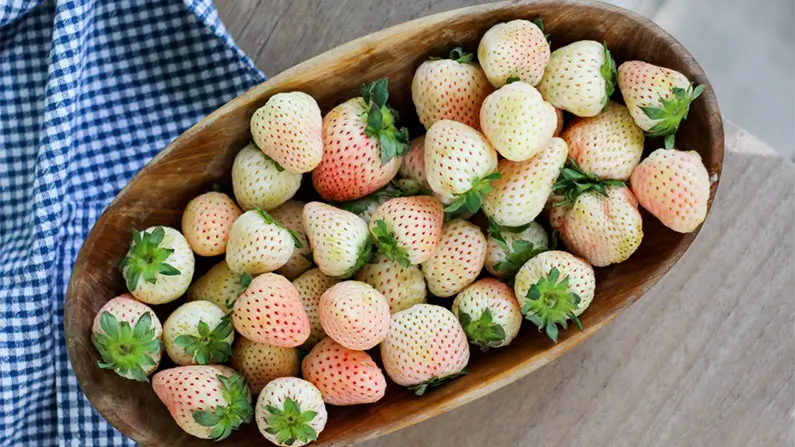
The pineberry, sometimes referred to as the “pineapple strawberry“, is an unusual strawberry variety known for its distinct white color and unique flavor profile. Less common than traditional red strawberries, it gets its name from its similarity to pineapple in both appearance and taste. Pineberries offer a sweet yet slightly tangy flavor, with subtle hints of pineapple, setting them apart from other strawberry varieties. They are appreciated for both their eye-catching appearance and distinct taste, and are often used as a decorative element in dishes and desserts.
However, the pineberry is a human-developed strawberry variety. It is the result of selective breeding, where different species within the Fragaria genus have been crossbred to achieve specific desired traits. Below, you can see what a pineberry looks like. [source]
10 This is why you should always rinse strawberries before removing the stems…
It is recommended to rinse strawberries before removing their stems, a process often referred to as hulling. This is important for several reasons. First, rinsing helps remove dirt, bacteria, and potential pesticide residues from the surface of the fruit, improving hygiene and food safety.
In addition, if you remove the stems first and then rinse the strawberries, there is a risk that some of the fruit’s natural oils, which contain much of its flavor and aroma, may leak out into the water. By rinsing the strawberries before hulling them, you help preserve these natural oils and maximize both aroma and taste. [source]
Xtra Strawberries have more chromosomes than humans…
Humans have 46 chromosomes, while the common garden strawberry has 56. This makes strawberries polyploid organisms, which is one of the main reasons they can be so sweet, large, and genetically flexible. [source]
You may also like
5 Common Questions About Strawberries
From a botanical perspective, they are not true berries. Instead, they are classified as aggregate accessory fruits, where the tiny dots on the outside are the actual fruits.
Yes, they can be enjoyed daily as part of a balanced diet. They are low in calories, rich in vitamins, and contain antioxidants and fiber that support overall health.
They should be rinsed thoroughly under cold running water before removing the stems. This helps reduce bacteria and preserves more of their natural flavor.
They can support weight management thanks to their low energy density, high fiber content, and ability to promote satiety without excess calories.
The small dots on the surface are individual fruits called achenes, each containing a seed inside. The red flesh itself is not the true fruit.