
Venezuela is often defined by headlines—politics, upheaval, or the latest development broadcast around the world. But behind the news cycle lies a country bursting with wonder: a land of sky-splitting mountains, ancient rainforest, oil-rich coastlines and a culture shaped by centuries of story, struggle and celebration.
In this piece, we step past the snapshots and into the surprising layers that make Venezuela unlike anywhere else. From world-record natural marvels to unexpected traditions and hidden innovations, here are ten facts that reveal a side of the nation most people never get to see.
1 The United States rejected Venezuela’s aid after Hurricane Katrina…
After Hurricane Katrina struck the United States in 2005, Venezuela was one of the first countries to offer assistance, pledging over $1 million in aid, mobile hospitals, water purification units, canned food, bottled water, heating oil, 1,100 doctors and more than 26 tons of medicine. Much of this unexpected support was ultimately turned down by the U.S. government, despite the scale of the disaster. [source]
2 Those who save, have…
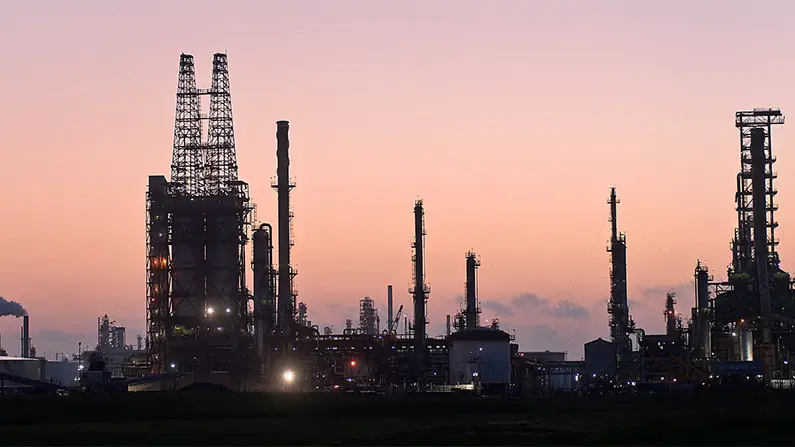
Venezuela actually holds more proven oil reserves than Saudi Arabia, with an estimated over 300 billion barrels of crude compared to Saudi Arabia’s roughly 267 billion barrels, making it the largest in the world. Despite this enormous wealth beneath its soil, Venezuela’s oil industry produces far less than expected — at times less than a quarter of Saudi Arabia’s annual output, and only around 1 million barrels per day, due to decades of underinvestment, infrastructure problems and political challenges. [source]
3 “Please, arrest me”…
In 2013, inmates at a Venezuelan prison pulled off one of the most bizarre stories to come out of the country’s penal system. Behind the walls, they managed to open and operate a full-fledged nightclub, complete with music, alcohol and even strippers performing for both prisoners and visiting guests. The secret venue reportedly ran for months before authorities stepped in to shut it down — a striking example of how loosely controlled some Venezuelan prisons had become at the time. [source]

You may also like
4 Probably not very densely populated…
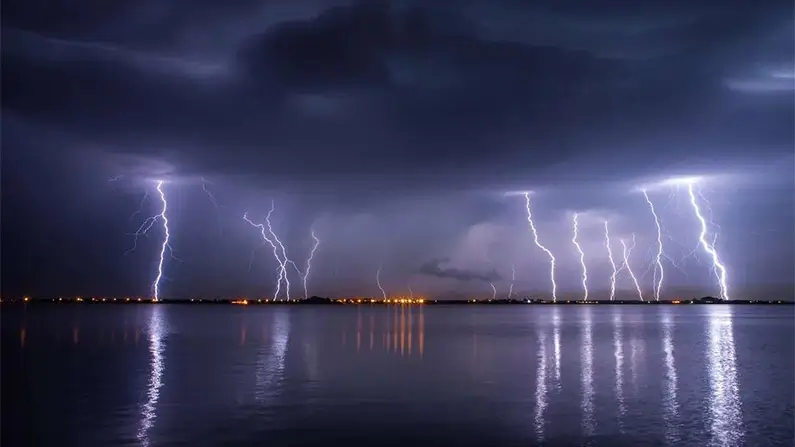
There is a region in Venezuela where lightning strikes at a rate rarely seen anywhere else on Earth — between 280 and 3,600 bolts per hour, and for around 300 nights every year. The phenomenon is known as Relámpago del Catatumbo, or “the Eternal Storm“, a weather pattern caused by warm Caribbean air colliding with cooler winds from the Andes. The result is a near-continuous natural light show that has been recorded for centuries, lighting up the sky over Lake Maracaibo night after night. [source]
5 Venezuela is an extremely troubled country…
Venezuela has long been considered one of the most violent nations on the planet. At its peak in the 2010s, it was reported that in Venezuela a person was murdered roughly every 21 minutes, reflecting one of the highest homicide rates in the world and a level of violence that deeply affected everyday life and public safety. This staggering figure illustrates the scale of lethal crime that has plagued parts of the country, especially in urban areas, even as exact statistics vary by source. [source]
6 Venezuela remained Spanish until 1811…
Christopher Columbus became the first European to reach the coast of what is now Venezuela during his third voyage in 1498, landing on the Paria Peninsula and exploring parts of the region for the Spanish Crown. European interest in the area grew slowly, and the first permanent Spanish settlement on the South American mainland was established at Cumaná in 1522, marking the beginning of sustained colonization efforts. Venezuela then remained a Spanish colony for more than three centuries, until it formally declared independence in 1811. [source]

You may also like
7 About 8 million years ago, giant guinea pigs lived in Venezuela…
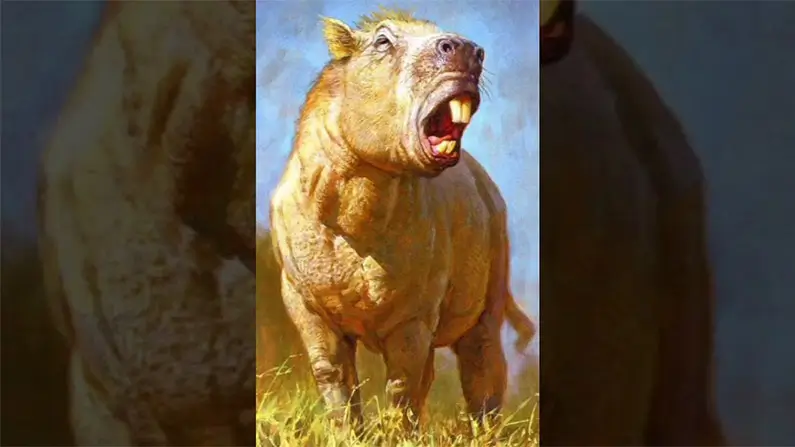
Scientists have discovered fossilized remains of an enormous rodent species called Phoberomys pattersoni that lived in what is now Venezuela about 8 million years ago during the Late Miocene. These prehistoric creatures were relatives of today’s guinea pig and capybara, but on a truly massive scale — fossil evidence suggests they could reach lengths up to around 3 metres (9 ft) and weighed hundreds of kilograms, making them some of the largest rodents ever found.
The first nearly complete skeleton was unearthed in the rich fossil beds of the Urumaco Formation in northwestern Venezuela, providing a rare glimpse into the ancient wildlife that once roamed the region. [source]
8 Venezuela was first in the world to abolish the death penalty…
Venezuela made history in 1863 when it became the first country in the world to permanently abolish the death penalty for all crimes, striking capital punishment from its laws during the presidency of Juan Crisóstomo Falcón. This move came long before most nations began reconsidering capital punishment and established Venezuela as a pioneer in the global human-rights movement. Today, the right to life is enshrined in Venezuela’s constitution, which explicitly forbids any authority from imposing the death penalty. [source]

You may also like
9 Venezuela was once considered a prosperous country…
In the decades following World War II, Venezuela’s oil-fueled economy made it one of the wealthiest nations in the world. By 1950, it had the fourth-highest GDP per capita globally, trailing only the United States, Switzerland and New Zealand — a reflection of booming oil revenues and rapid economic growth at the time. Today, however, Venezuela’s economy has dramatically declined, and its GDP per capita has fallen far down the global rankings as production, inflation and political turmoil have taken their toll. [source]
10 Venezuela sells cheap oil to Cuba in exchange for services…
Venezuela has long supplied Cuba with oil at prices well below market rates, as part of a bilateral cooperation agreement between the two countries. Under this arrangement, Caracas historically delivered tens of thousands of barrels of oil per day — at times around 53 000 barrels (8 000 m³) daily — to Havana in exchange for the services of thousands of Cuban doctors, teachers, sports trainers and other professionals working in Venezuela’s public health, education and social programs.
This “oil-for-services” exchange became a cornerstone of the nations’ alliance, helping Cuba meet its energy needs while supporting Venezuelan social initiatives with external personnel. [source]
You may also like
5 Frequently Asked Questions About Venezuela
Safety varies greatly by region. Major cities and border areas have high crime rates, and travelers usually stick to organized tours, trusted guides and safer tourist zones. Staying informed and avoiding risky districts is key.
The economic crisis is tied to years of political instability, dependence on oil exports, mismanagement, corruption and hyperinflation. Limited access to foreign currency and declining oil production have also worsened everyday living conditions.
The official language is Spanish, and it’s spoken almost everywhere. However, there are also dozens of Indigenous languages, especially in the Amazon and Andean regions, still used within local communities.
It’s famous for vast oil reserves, Caribbean beaches, the Angel Falls — the world’s tallest uninterrupted waterfall, and a rich cultural mix of Indigenous, African and European influences. It also has a long tradition of beauty pageant success.
Yes, but it requires careful planning. Many travelers choose specific destinations like Morrocoy, Canaima National Park or Los Roques, often with local contacts or tour operators. Flights, fuel and services can be inconsistent, so preparation matters.