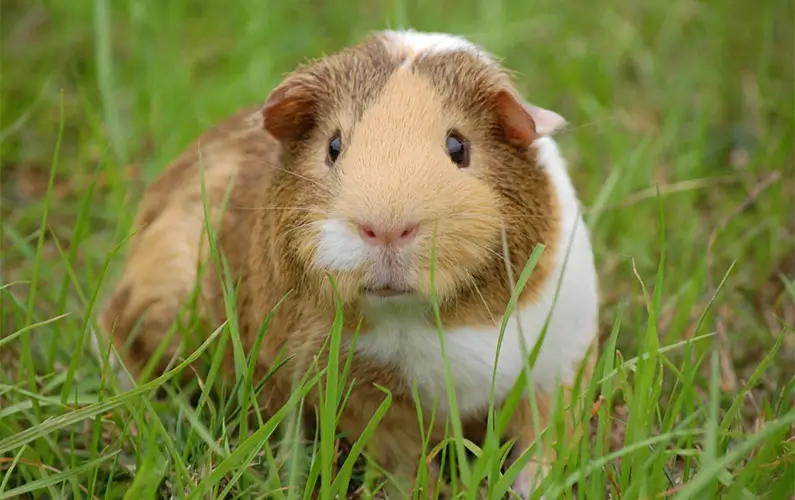
Small, soft, and full of personality — guinea pigs (Cavia porcellus) have charmed humans for hundreds of years. Even though they’re among our most common pets, there’s still so much we don’t know about these social little furballs. Did you know, for example, that they can recognize their owners by voice? Or that they need companions to truly thrive?
In this article, you’ll discover 10 irresistibly cute facts that will make you see them in a whole new light. Perfect reading for anyone who already owns guinea pigs — or simply can’t get enough of their squeaks and adorable twitching noses. Let’s dive into their wonderful world!
1 Guinea pigs can’t produce their own vitamin C…
These adorable little creatures simply aren’t able to make their own vitamin C, which means they must get it through their daily diet. Without enough of it, they’re at risk of developing scurvy and becoming seriously ill.
A good pellet feed enriched with vitamin C, paired with fresh veggies like bell pepper, parsley, or kale, helps keep them healthy, happy, and full of energy. [source]
2 Randy broke into the female enclosure — and impregnated over 100 guinea pigs…
A guinea pig named Randy managed to sneak into a pen full of females at Hatton Adventure World in Warwick, UK — and impregnated more than 100 of them. The park, which already had around 300 guinea pigs, suddenly had to brace for a major population boom. Randy was set to become the father of over 400 babies in just a few weeks!
Let’s just say no one had a better night than Randy — the undisputed hero of the enclosure. [source]
3 Penicillin could have had a very different outcome if it had been tested on guinea pigs instead…
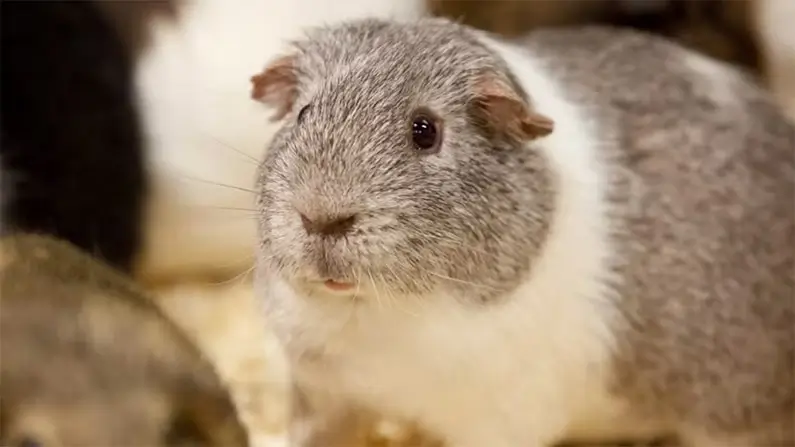
It was pure luck that penicillin was tested on mice rather than guinea pigs, because penicillin is toxic to guinea pigs. Had researchers chosen the wrong test subject, penicillin would likely have been dismissed as a failure — and possibly discarded entirely.
In that case, we humans might never have discovered its lifesaving antibiotic power, which reshaped modern medicine.
That said, we want to make it clear that we do not support animal testing in any form. [source]

You may also like
4 A guinea pig’s teeth never stop growing…
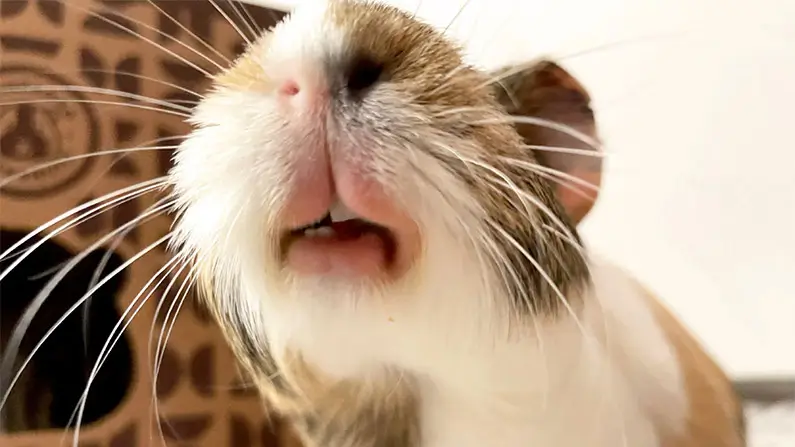
Their teeth truly never stop growing, and this is a key part of their oral health that every owner needs to know about. Both their front incisors and their back molars keep growing throughout their lives.
To keep their teeth the right length and shape, guinea pigs need to chew on plenty of fiber-rich food, such as hay and grass. Gnawing and chewing naturally wears the teeth down. If they don’t get enough fiber or items to chew on, their teeth can grow too long — leading to painful issues like overgrowth, infections, or mouth injuries. [source]
5 Guinea pigs are also a popular dish in South America…
In South America, guinea pigs are (unfortunately) considered a traditional food — especially in Peru. It’s estimated that around 65 million guinea pigs are consumed there every year. [source]
6 The guinea pigs we know today don’t exist in the wild…
The guinea pigs we keep as pets no longer exist in nature. They descend from wild guinea pigs in South America — most notably the species Cavia tschudii, which lives in regions around the Andes.
After many generations of domestication, our modern pet guinea pigs have developed a calmer temperament and show far more colors and coat types than their wild relatives. [source]

You may also like
7 There’s a hairless breed that looks like a tiny pig…
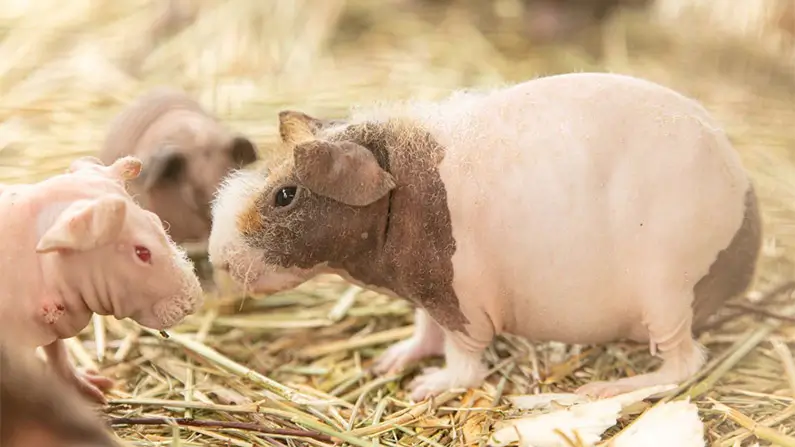
There’s a hairless guinea pig known as the “skinny pig“. They’re almost completely bald, with just a few wisps of fur on their nose and feet — giving them the appearance of miniature pigs. Their skin can range from pale pink to dark tones, often with a slightly wrinkled texture.
Skinny pigs are the result of a natural genetic mutation that breeders continued to develop, and they’re loved for their unique look and friendly personalities. Because they lack fur, they need a bit of extra care — especially when it comes to warmth, sun exposure, and their sensitive skin. [source]
8 Guinea pigs love to eat their own poop — and there’s a good reason why…
Guinea pigs sometimes eat a special type of their own droppings called cecotropes. These soft, nutrient-rich pellets contain vitamins B and K, along with beneficial bacteria. Because these nutrients aren’t fully absorbed the first time food passes through the digestive system, guinea pigs need to eat the cecotropes right when they’re produced.
It may look odd at first glance, but it’s a completely normal and essential part of their digestion — and it helps keep these little animals healthy, balanced, and thriving. [source]
You may also like
9 The guinea pig’s name comes from one big misunderstanding…
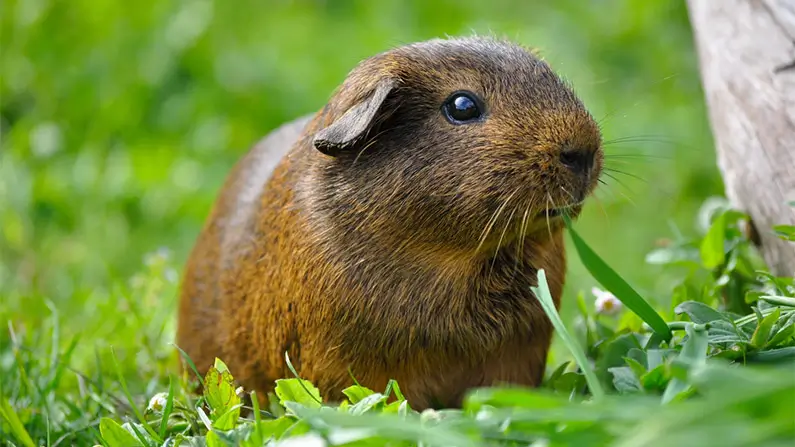
Guinea pigs are not from Guinea, and they’re not related to pigs at all. Their English name, “guinea pig“, comes from the old misconception that they originated in Guinea, combined with their pig-like appearance. [source]
10 Why you should always keep more than one guinea pig…
These adorable, fluffy little animals are highly social and thrive best in pairs or groups. They’re known for their chirping and squeaking sounds, and they actively communicate with one another throughout the day.
Because of their strong social needs, several countries have banned keeping only one guinea pig — requiring owners to provide at least two or more so they can live happy, enriched lives. [source]
You may also like
5 Frequently Asked Questions About Guinea Pigs
They should primarily eat hay, which keeps their digestion and teeth healthy. Fresh vegetables and a measured amount of pellets can be added daily, and vitamin C is essential since their bodies can’t produce it.
Most pets live around 5–7 years, though some with excellent care reach 8 years or more. Good diet, clean housing, and companionship help them live longer, healthier lives.
Yes — they are highly social animals and should never live alone. A bonded friend reduces stress and prevents loneliness, leading to happier, more confident pets.
Bigger is always better. A pair needs at least 120 x 60 cm (about 8 square feet) of space, plus daily opportunities to exercise outside the enclosure.
They can be, as long as adults take responsibility. They require daily care, gentle handling, and regular cleaning and feeding, so children shouldn’t care for them alone.