Cats have fascinated humans for thousands of years — from ancient Egypt to today’s living rooms. Even though many people share their homes with a cat, there are still plenty of surprising and almost unbelievable things to discover about our four-legged friends. Did you know, for example, that a cat can drink water without breaking the surface of the liquid? Or that their purring doesn’t only mean they’re content?
In this article, we reveal 10 unusual and astonishing facts about our most popular pet — perfect for anyone who thought they already knew everything about their cat. Join us and prepare to be amazed!
1 The cat Oscar survived three shipwrecks…
“Unsinkable Sam” is known to the Germans as “Oscar“, a cat who served on three warships during World War II — one German and two British. All three ships sank, but the cat miraculously survived every wreck, floating away on wooden planks and various debris to save himself. [source]
2 This is why cats bring home dead animals to you…
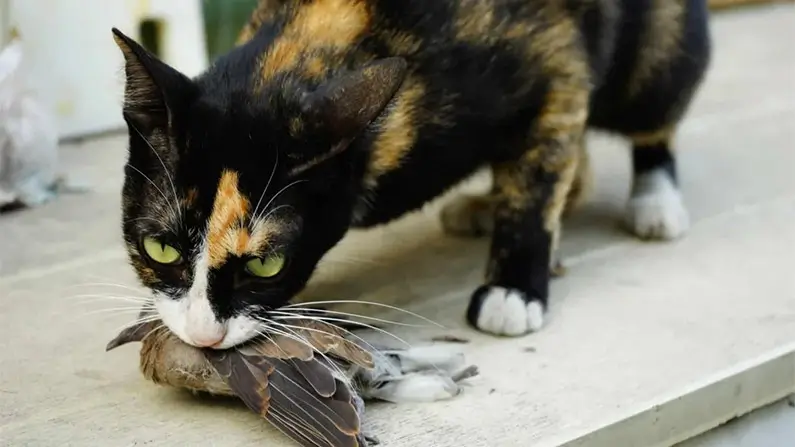
If you’re a cat owner, you’ve likely experienced your feline returning home with a bird, mouse, or some other prey in its mouth. According to studies, there’s actually a clear reason for this. When a cat brings home a dead animal, it’s a sign that they believe we humans are poor hunters. In other words, they’re trying to teach us how to hunt.
If the prey is still alive when they bring it home, you should actually take it as a compliment — it means they don’t consider us completely useless. They’ve injured the animal and expect us to finish the job, as part of their “training program” for their human companions. [source]
3 What are cats afraid of…?
Cats can show fear toward a wide range of things, both natural and unnatural. Sudden and loud noises like bangs, thunder, vacuum cleaners, or fireworks are common triggers that can scare them. In addition, cats may be wary of or afraid of new people or unfamiliar animals. Moving to a new home or visiting the vet are other stressful and frightening experiences for many cats.
Water is something many kittens dislike, and they may be afraid of getting wet or being forced to bathe. Some cats also develop fears of specific objects, such as vacuum cleaners, certain toys, or other unusual items. Changes in routine can also cause anxiety, as cats thrive on stability and predictability. Sudden and unexpected movements can frighten them as well, especially when directed toward them.
To help a fearful cat, it’s important to create a safe and calm environment. Allow the cat time to adjust to new things and people at its own pace, and avoid forcing it to confront its fears directly. Use positive reinforcement to reward calm behavior, and consider consulting a veterinarian or an animal behaviorist if your cat struggles to manage its fears. [source]

You may also like
4 This is how important taurine is for your cat…
In many countries, it is legally required that cat food contains taurine — a popular ingredient also found in energy drinks. Without this essential nutrient, cats can lose their fur, their teeth, and in the worst cases, even their vision. [source]
5 Why you always should keep your cat’s food and water bowls separate…
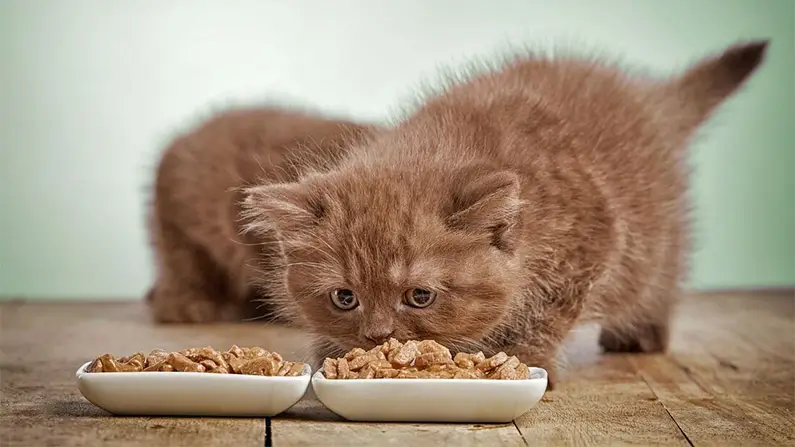
Domestic cats instinctively don’t want to drink from a water bowl placed next to their food, so they’ll often look elsewhere in the house for water. In nature, water near a dead prey animal can become contaminated — and this instinct still lives on in our pets.
And speaking of water: cats can even drink seawater, thanks to their incredibly efficient kidneys. [source]
6 How Many Kittens Do Cats Usually Have – and What’s the World Record?…
The number of kittens a cat has in a litter can vary, but on average, a queen gives birth to between 3 and 5 kittens. However, it’s not unusual for a litter to contain fewer than 3 or more than 5 kittens. First-time mothers often have smaller litters, while older and more experienced queens may produce larger ones.
But those 3 to 5 kittens are nothing compared to the world record! The largest litter of kittens ever recorded was born in August 1970. A Burmese/Siamese cat in the United Kingdom gave birth to 19 kittens. Unfortunately, four of them were stillborn. [source]
You may also like
7 Why cats rub themselves against humans…
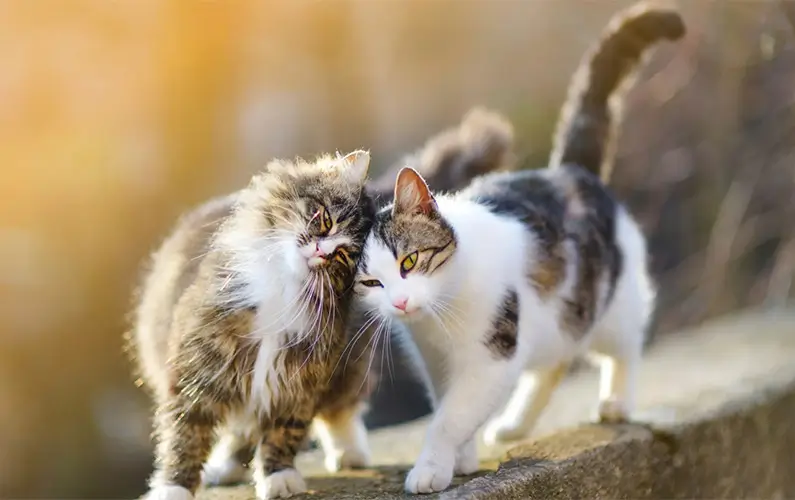
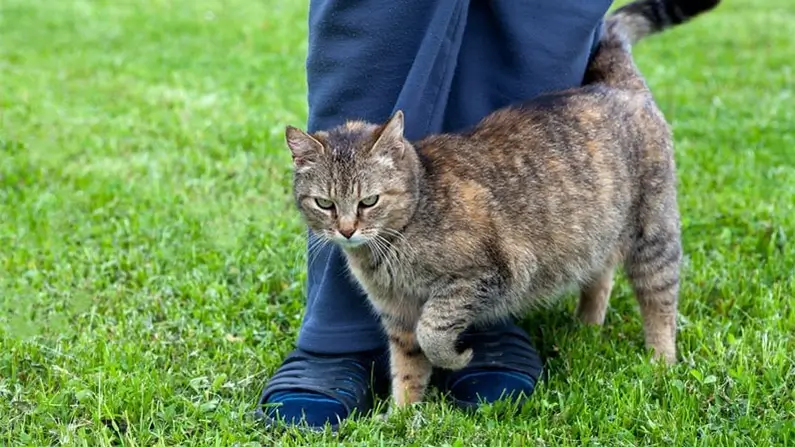
Cats have scent glands in their faces that release a pheromone when they rub against us, signaling that we belong to them and they belong to us. Though, let’s be honest — it’s usually the cats who own us, right? [source]
8 It’s Not Just Humans Who Drive Species to Extinction…
It’s clearly not only humans or natural disasters that are responsible for species disappearing. These little hunters have also been blamed for the global extinction of at least 33 species. [source]

You may also like
9 How Many Cat Breeds Exist in the World…
Pedigree cats are becoming increasingly popular, and prices have skyrocketed — largely due to the pandemic. According to the International Cat Association (TICA), there are over 73 officially recognized cat breeds.
And maybe you should get one too? Owning a cat has been shown to reduce the risk of heart attacks by more than one-third! [source]
10 Cats can sense the Earth’s magnetic field…
Studies suggest that these magnificent animals possess a form of magnetoreception, meaning they can detect the planet’s magnetic field — similar to certain birds and sea turtles. This may explain why so many of them are able to find their way home over long distances, even without visual cues. Some researchers even believe that cats use the magnetic field as an internal compass. [source]

You may also like
5 Common Questions About Cats
They purr for several reasons, but it’s not only because they’re happy. They also purr when they’re stressed, in pain, or seeking comfort. Purring can even help promote healing, as the vibrations fall within frequencies associated with tissue repair.
Cats knead as a leftover instinct from kittenhood. It’s a sign of comfort and security, often directed at people or soft surfaces they trust. Some cats also knead to mark territory using scent glands in their paws.
Cats typically sleep 12–16 hours a day because they are natural predators, designed to conserve energy between intense bursts of activity. Even indoor cats retain this biological rhythm.
While unpleasant, this is normal behavior. Cats bring prey to humans because they see us as inexperienced hunters and may be trying to teach us, much like they would teach kittens.
These “zoomies” are caused by built-up energy that needs releasing, often after sleeping or using the litter box. It’s normal behavior and usually indicates a healthy, playful cat.