
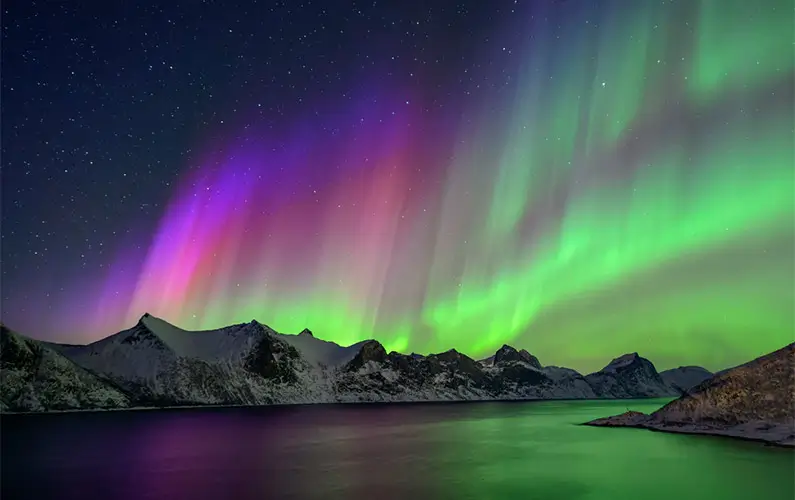
The Northern Lights, also known as the aurora, are a light phenomenon that occurs when charged particles (mainly electrons) accelerated to high energies in Earth’s magnetosphere crash into the atmosphere. This acceleration only happens in specific regions of the magnetosphere, which is why auroras appear mainly in ring-shaped zones around the planet’s magnetic poles.
Sound complicated? Doesn’t matter — because it’s undeniably beautiful!
Below you’ll find ten interesting and fascinating facts and curiosities you may not have known about this stunning and natural light show.
1 The Northern Lights are constantly changing shape…
The shifting patterns and forms in the sky are caused by the dynamic flow of charged particles from the Sun and the ever-changing magnetic fields surrounding Earth. These particles, often called plasma, move along with Earth’s magnetic field, creating the iconic, rippling curtains and waves of light we see dancing overhead.
The result is a never-ending, always-unique light show — no two nights look the same. [source]
2 Why green auroras are the most common…
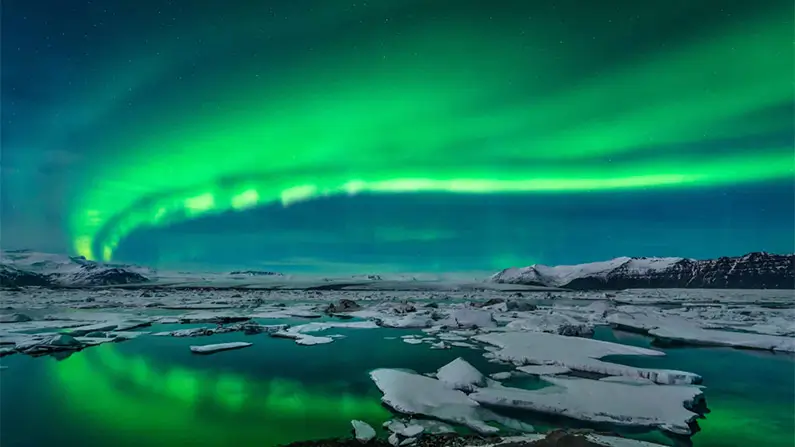
The Northern Lights can appear in many colors — red, blue, even purple — but green is by far the one we see most often. The reason lies in oxygen atoms high up in the atmosphere, roughly 100 kilometers above the ground. When these atoms are hit by particles from the solar wind, they become excited and release light in a green wavelength.
That process creates the signature emerald glow that lights up the sky on most aurora-filled nights. [source]
3 Northern Lights were once believed to be a bridge between humans and the gods…
The Northern Lights have long captured human imagination and appear in countless myths and legends. In the Nordic regions — where the sky often comes alive with color — Norse mythology offered a special explanation: people believed the aurora was an invisible bridge connecting humans on Earth with the gods above.
It symbolized communication between worlds, a link that could bring hope, warning, or protection. [source]

You may also like
4 Northern Lights are not unique to Earth…
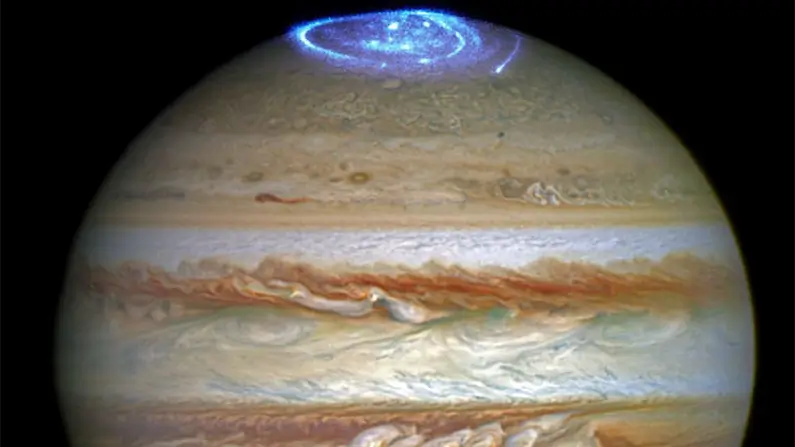
The aurora isn’t exclusive to our planet — similar light displays have been observed on other worlds in our solar system, including Saturn and Jupiter. Below is an image showing what an aurora can look like on Jupiter. [source]
5 Northern Lights aren’t always silent — but no one knows what causes the sounds…
It’s easy to assume that the Northern Lights are completely quiet, but there are reports from people who claim to hear strange noises during strong displays. These sounds are often described as faint pops, crackles or soft hissing.
Despite many theories, scientists still don’t know what truly causes these sounds. They may come from electrical discharges in the atmosphere, or some other natural process we haven’t yet identified — but so far, no definitive explanation exists. [source]
6 Auroras can damage satellites and disrupt communication…
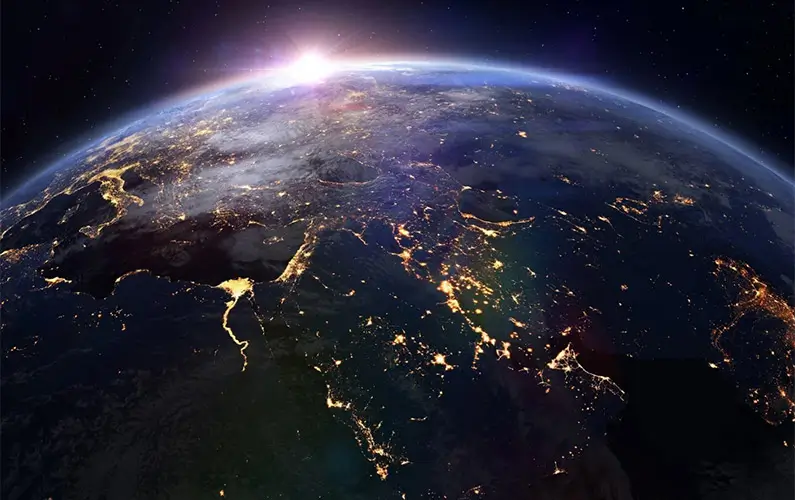
The Northern Lights aren’t just beautiful — they can also cause problems for modern technology. When charged particles from the solar wind collide with Earth’s atmosphere, they generate strong electromagnetic disturbances that affect satellites in orbit.
These disruptions can interfere with radio signals, GPS systems and other communication technology, impacting everything from navigation to weather forecasting. For that reason, scientists and engineers closely monitor auroral activity all over the world. [source]
You may also like
7 The name “Aurora” comes from a Roman goddess…
The Northern Lights are often called “Aurora Borealis” — a name loaded with both poetry and history. The Latin word Aurora refers to the Roman goddess of the dawn, while Borealis comes from the Greek Boreas, meaning “north wind”.
The term was coined by Galileo Galilei in 1619, inspired by how the shimmering lights reminded him of a rising morning sky in the north. Even though we now understand the scientific cause behind the aurora, the mythic name lives on — adding to the magic of the phenomenon. [source]
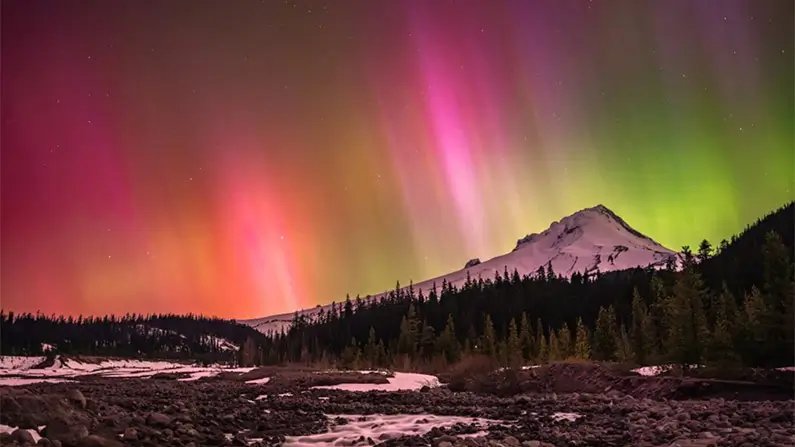
8 And yes — Northern Lights can actually make you happier…
The Northern Lights aren’t just a treat for the eyes — they can lift your mood as well. Studies have shown that people who witness the phenomenon often describe feelings of happiness, calm, or even euphoria. This reaction is believed to stem from the release of endorphins — the brain’s natural “feel-good” chemicals — triggered by the awe of experiencing something so grand and otherworldly.
For many, seeing the aurora becomes a memory they carry for life. [source]

You may also like
9 Northern Lights can affect both animals and plant life…
The aurora may have a bigger impact than we realize. There are reports suggesting that animal behavior can change, especially in species that rely on Earth’s magnetic field for navigation — such as birds and certain marine animals.
Plants may also respond with altered growth or health, which researchers link to shifts in atmospheric electrical charge and changing light conditions during auroral activity. The full effects are still not completely understood, but the science keeps growing. [source]
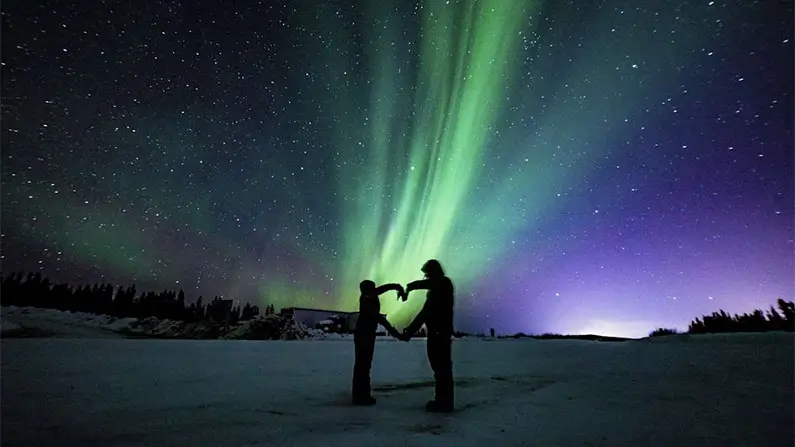
10 Auroras don’t only appear in winter…
We tend to associate the Northern Lights with winter, but they’re not actually tied to any specific season. Auroras can form during summer as well — it’s just much harder to see them. The biggest obstacle is the bright summer sky in far northern regions, where the midnight sun keeps the sky glowing long past midnight.
Still, during strong geomagnetic activity, the aurora can occasionally be spotted at very high latitudes — in places like Greenland, Iceland, Sweden, and northern parts of Canada. The chances, however, are far lower than in autumn and winter. [source]

You may also like
5 Frequently Asked Questions About
They’re easiest to see between September and March, when the nights are darkest. Displays can appear anytime, but strong activity peaks around the equinox months.
They’re most common in high-latitude regions, such as northern Norway, Sweden, Finland, Canada, Alaska, Iceland and Greenland. During strong activity, they can sometimes be seen much farther south.
They’re created when charged particles from the Sun collide with gases in Earth’s atmosphere, producing colorful light displays high above the planet.
Most often green, but displays can also show red, purple, blue and pink depending on altitude, gas type, and solar energy levels.
Not directly to humans — they’re just light. However, strong geomagnetic storms can disrupt satellites, GPS, and radio communication, which is why scientists keep an eye on them.