
When we think about the differences between men and women, it’s easy to focus on the obvious physical and cultural aspects. But the biological reality behind these differences is both complex and fascinating. From our hormones to our genetics, there are many subtle and surprising distinctions that shape our bodies and health.
In this article, we dive into 10 fascinating biological differences between men and women, exploring how these factors influence us on both deep and surface levels. From variations in brain structure to unique immune responses — get ready to discover how human biology is far more intricate than we often realize!
1 A reason behind differences in genetic defects between men and women…
Men, who have one X and one Y chromosome, are more likely to express X-linked diseases because they lack a second X chromosome as a backup. Women have two X chromosomes, so if one X carries a defect, the other can often compensate, meaning they are frequently carriers without showing symptoms. This means that while many congenital defects are more common in men, women can also be affected by X-linked conditions — though often in a milder form. [source]
2 The first finger on a woman’s hand is usually longer than the third. In men, it’s often the opposite…
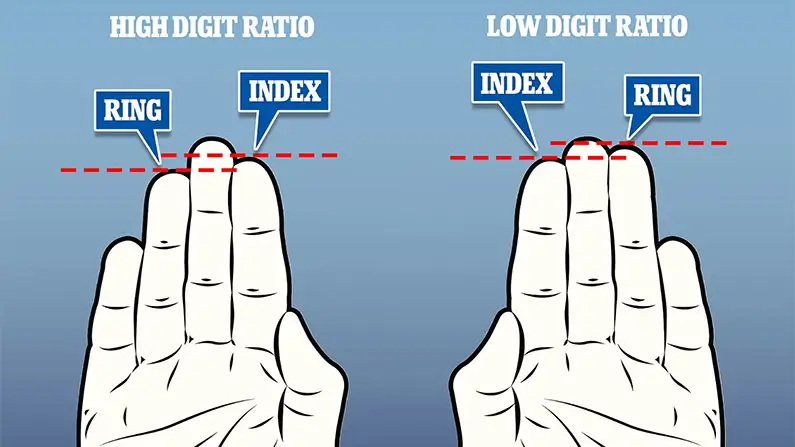
There is a notable sex difference in finger lengths. Generally:
In women: the first finger (index finger) is often longer than the third finger (ring finger).
In men: the third finger (ring finger) is more often longer than the first finger (index finger).
This difference in finger length is known as the digit ratio, which describes the proportion between the lengths of the index and ring fingers. Women typically have a higher digit ratio, meaning the index finger is relatively longer compared to the ring finger. Men typically have a lower digit ratio, meaning the ring finger is relatively longer.
This variation is linked to hormonal influences during fetal development, and researchers have used digit ratio as an indicator of prenatal hormone exposure. [source]
3 Men are diagnosed with autism four times more often than women…
Men are significantly more likely to be diagnosed with autism than women. Studies show that autism is diagnosed about four times more frequently in men.
Research suggests that this difference may stem from a combination of genetic, biological, and possibly sociocultural factors. It is also possible that autism presents differently in women, meaning some cases may go unnoticed or underdiagnosed due to variations in symptom expression and social expectations. [source]
You may also like
4 Women are significantly better at distinguishing color shades than men…
Women, in general, are better at differentiating between subtle color shades than men. Several studies have shown that women have a superior ability to perceive fine color differences and to recognize colors with greater precision.
Research suggests that this may be due to genetic and biological differences. Women often have more of the photoreceptors in the retina responsible for color perception, which can enhance their color vision. Additionally, hormonal differences may also play a role in how colors are perceived.
It’s worth noting that while these differences in color perception are statistically significant, this does not mean that all men or women fit these patterns; there is considerable individual variation. [source]

5 Men are 3 to 10 times more likely to stutter than women…
Men are significantly more likely to stutter than women. Research shows that stuttering is 3 to 10 times more common in men than in women.
The exact cause of this sex difference is not fully understood, but theories point to genetic and neurobiological factors that may influence the risk of developing a stutter. Additionally, sociocultural factors may also play a role in how stuttering is perceived and reported. [source]
6 Studies show that men have greater variation in IQ scores…
Some studies have shown that men tend to have a greater standard deviation in IQ scores compared to women. This means there are more men at both the very high and very low ends of the IQ spectrum, whereas women are generally more clustered around the average. [source]

You may also like
7 The male jawbone is generally heavier than the female jawbone…
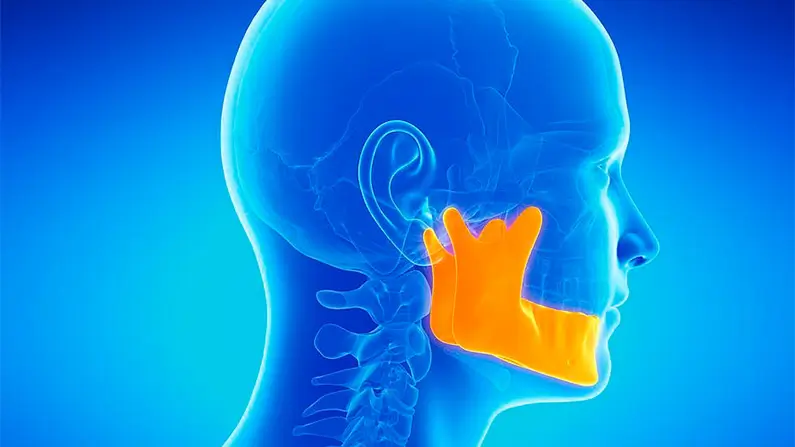
Men’s jawbones are typically heavier and more robust than those of women. This is due to hormonal influences and genetic factors that lead to different skeletal development between the sexes.
Women’s jawbones: Women often have more delicate and less pronounced jawbones. Their jawbones are generally lighter and less prominent compared to men’s.
Men’s jawbones: Men tend to have thicker and more prominent jawbones, creating a more defined jawline. This is partly the result of higher testosterone levels during puberty, which contribute to increased bone mass and a more robust bone structure. [source]
8 Women and men really do see things differently…
Research shows that women often have better peripheral vision than men, meaning they are more skilled at detecting movement or objects at the edges of their visual field. Men, on the other hand, tend to be better at scanning and focusing on objects in their central field of vision, which can help them identify details and track movement more effectively.
These differences are thought to have evolutionary roots: men’s ability to scan quickly may have been advantageous in hunting, while women’s enhanced peripheral awareness may have been useful in gathering roles. [source]

You may also like
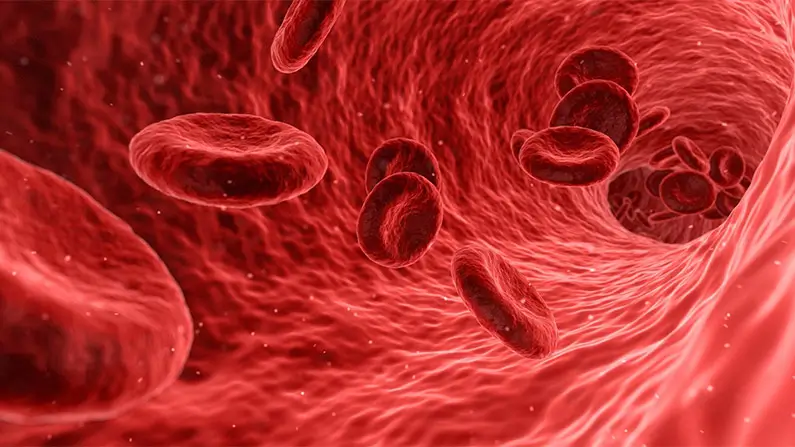
9 Women’s and men’s blood differs as well…
There are also several differences in the composition of blood between women and men:
Red blood cells: Women tend to have a lower number of red blood cells (erythrocytes) than men — often 10–20% fewer. This can be due to several factors, including hormonal differences and the menstrual cycle, which can affect blood volume and hemoglobin production.
Water content: Women’s blood often contains a slightly higher proportion of water compared to men’s. This is linked to differences in body composition, as women generally have a higher percentage of body fat and lower muscle mass than men. Since water content is related to body weight and body composition, this can influence the amount of water in the blood. [source]
10 The symptoms of a heart attack can differ between men and women…
Men often experience the classic heart attack symptoms, such as chest pain that may radiate to the jaw or arm. These symptoms are well known and commonly associated with heart attacks.
Women, on the other hand, may experience a broader range of symptoms that are sometimes less typical. For example, women may feel fatigue, shortness of breath, nausea, back pain, or abdominal discomfort, which can sometimes be mistaken for heartburn. Because of this variation, heart attacks in women can be misinterpreted as other conditions, potentially leading to a delayed diagnosis and treatment. [source]

You may also like
Xtra Men die at higher rates from almost every disease — with a few exceptions…
In general, men have a higher mortality rate from most diseases compared to women, with a few exceptions. Men are more frequently affected by cardiovascular diseases, certain types of cancer, and some infectious diseases. This may be due to factors such as lifestyle, hormonal differences, and genetic predispositions.
Exceptions to this pattern include breast cancer, which is far more common in women, as well as female reproductive disorders, which affect only women. Benign tumors may also be more common in women or affect them differently. [source]