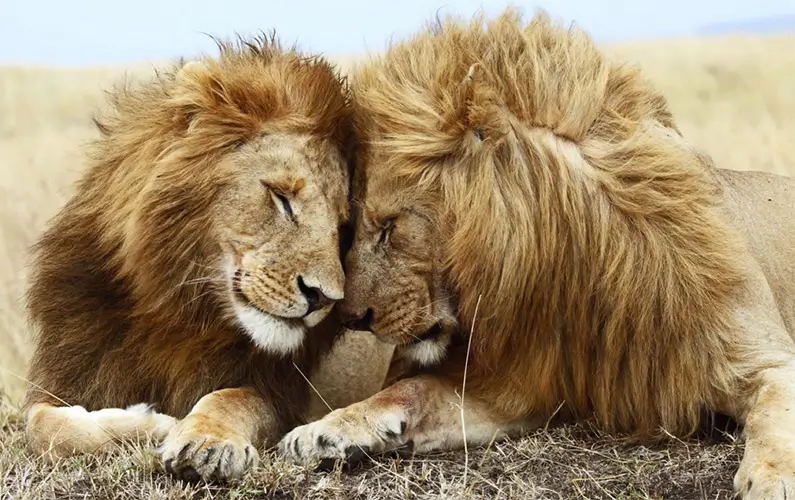
In the shadows of the savannah and beneath the African sun, lions (Panthera leo) have long reigned as the kings and queens of the plains. Their majestic presence and formidable hunting skills have captured human imagination and admiration for centuries. Yet behind their famous roar and regal demeanor lies a deeper world of fascinating facts and unique behaviors few people truly know. Here, we explore 10 surprising facts about lions that will broaden your view of these magnificent predators.
1 The lion is the second-largest big cat…
A male lion can weigh up to 250 kilograms, making the lion the second-largest cat species in the world by weight, surpassed only by the tiger.
The tiger is generally larger and heavier, with adult males often reaching weights exceeding 300 kilograms. [source]
2 A lion’s roar can be heard from more than 8 kilometers away…
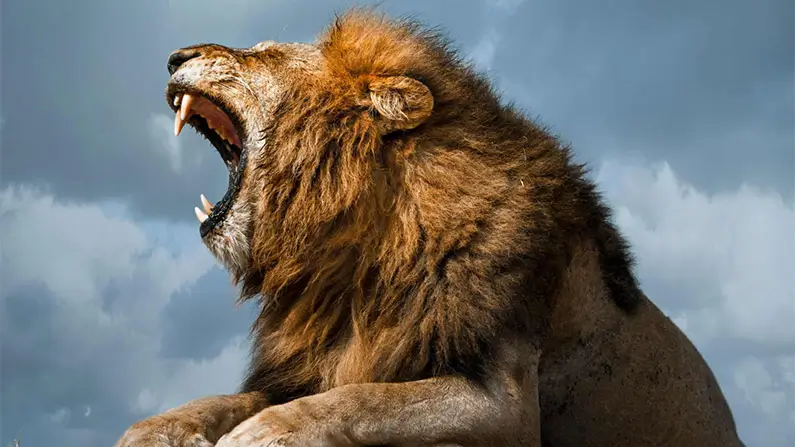
The sound of a lion’s roar is extremely powerful and can travel across vast distances. It is well documented that a lion’s roar can carry up to around 8 kilometers, and in some cases even farther.
Lions use their roars for multiple purposes, including marking territory, communicating with pride members, and sometimes warning other animals of their presence. [source]
3 Even lions have things to fear — despite having few natural enemies…
Lions sit at the very top of the food chain in the ecosystems they inhabit and are classified as apex predators, meaning they have few natural enemies. Their greatest threats often come from other predators — and from humans.
Large predators such as tigers, hyenas, and crocodiles can pose a danger to lions, particularly when competition for prey or territory is intense.
Historically, humans have been one of the greatest threats to lions, due to hunting, habitat loss, and conflicts over grazing land and livestock. Diseases and serious injuries also represent significant risks, as they can impair a lion’s ability to hunt and survive.
Even within their own prides, social conflicts can arise, sometimes resulting in severe injuries or even death. [source]
You may also like
4 Just like other cats, lions sleep a lot…
We all know how much our domestic cats love to sleep, but that’s nothing compared to their larger, wilder relatives. Lions are true masters of rest, typically spending between 16 and 20 hours a day sleeping or relaxing.
After a large meal, they may even sleep and rest for up to 24 hours. Digestion takes time, and the huge amounts of meat they consume leave them feeling both heavy and exhausted. [source]
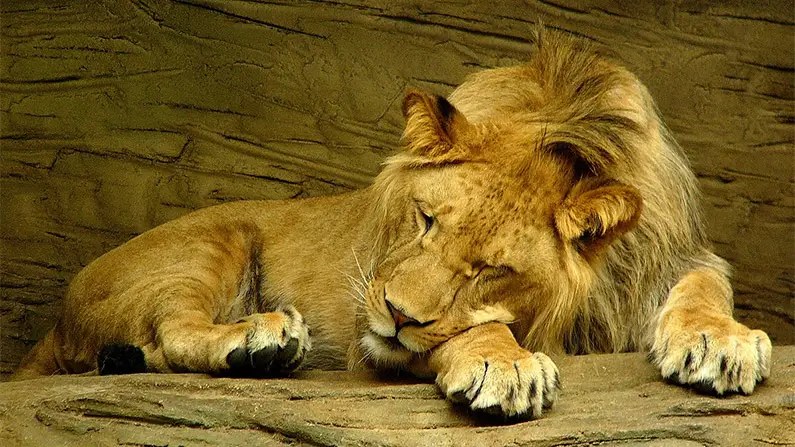
5 Darker manes are considered more attractive…
Research has shown that lionesses tend to find males with darker manes more attractive than those with lighter manes. A study published in the journal Science found that darker manes signal better health, higher testosterone levels, and greater fighting ability.
These traits make dark-maned males more appealing as mates, as they suggest the ability to provide better protection and survival advantages for their offspring. [source]
6 This is how lions hunt and what they eat…
Lions are carnivores, and their diet mainly consists of large mammals hunted on the savannah. Common prey includes zebras, wildebeest, buffalo, antelopes, and other hoofed animals. When large prey is scarce, lions may also hunt smaller animals, such as birds and reptiles.
Lions are highly opportunistic feeders and will eat carcasses they find or steal from other predators like hyenas or leopards.
When hunting in groups, lions rely on cooperation and strategy to take down large and sometimes dangerous prey. Females usually do most of the hunting, while males focus on defending the territory and the pride.
After a successful hunt, lions eat in a strict hierarchy, with males eating first, followed by females, and finally the cubs. [source]

You may also like
7 “Leo the Lion” has been portrayed by several different lions…
The lion used by the film studio MGM (Metro-Goldwyn-Mayer)—the one you see in the image below—is known as “Leo the Lion“. Leo is famous for introducing MGM’s film productions and appears at the beginning of many of the studio’s movies.
The iconic sequence, in which the lion roars, has been recreated many times, and several different lions have portrayed Leo over the years. One of the most famous was Jackie, whose roar became widely recognized around 1957. [source]

8 A pride of lions rescued a girl from assault…
Heroic stories involving lions are rare — but this is one of them. In 2005 in Ethiopia, a 12-year-old girl was subjected to a brutal assault by seven men when a pride of lions intervened.
The lions chased the attackers away and then remained with the girl until help arrived. According to police reports, the lions stayed close to her without causing any harm, a behavior considered highly unusual for wild predators. [source]
You may also like
9 Have you ever heard of a “leopon”…?
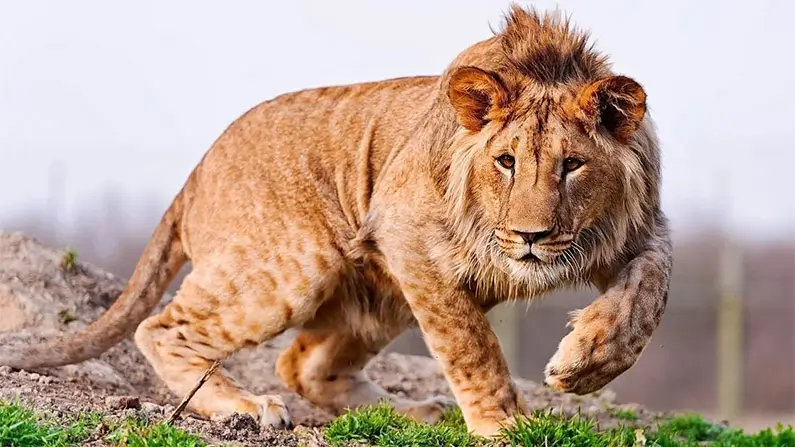
A leopon (also known as a lion hybrid) is the result of a cross between a male leopard and a female lion. A leopon’s head resembles that of a lion, while the rest of its body shares traits with a leopard.
Leopons are extremely rare hybrids and display a mix of physical and behavioral characteristics from both parents. They often feature a combination of a lion’s mane and a leopard’s spots. These hybrids are rarely found in the wild and are mostly bred in captivity. An image of a leopon can be seen below — aren’t they fascinating? [source]
10 This is how intense lion reproduction really is…
Big cats have a unique mating behavior. When a lioness is in heat, which happens several times a year, mating can occur many times within a short period. A single mating session usually lasts only about 20 to 30 seconds, but lions may mate up to 50 times per day over several consecutive days.
Could you keep up with a lion? [source]

You may also like
5 Common Questions About Lions
Yes, lions can be dangerous to humans, but attacks are relatively rare. Most incidents occur when lions feel threatened, are protecting cubs, or when humans encroach on their territory. In general, lions avoid people whenever possible.
Lions are called the “kings of the jungle” due to their strength, dominance, and majestic appearance, even though they actually live in savannahs and grasslands, not jungles. The title comes mainly from symbolism and mythology, not biology.
Unlike most big cats, lions live in social groups called prides. A pride usually consists of related females, their cubs, and a small number of males, which helps them hunt efficiently and defend territory.
In the wild, lions typically live 10–14 years, while those in captivity can live over 20 years. Access to regular food and veterinary care significantly increases their lifespan.
Lions are strict carnivores and primarily hunt large herbivores such as zebras, wildebeest, buffalo, and antelopes. They are also opportunistic feeders and may scavenge or steal prey from other predators.