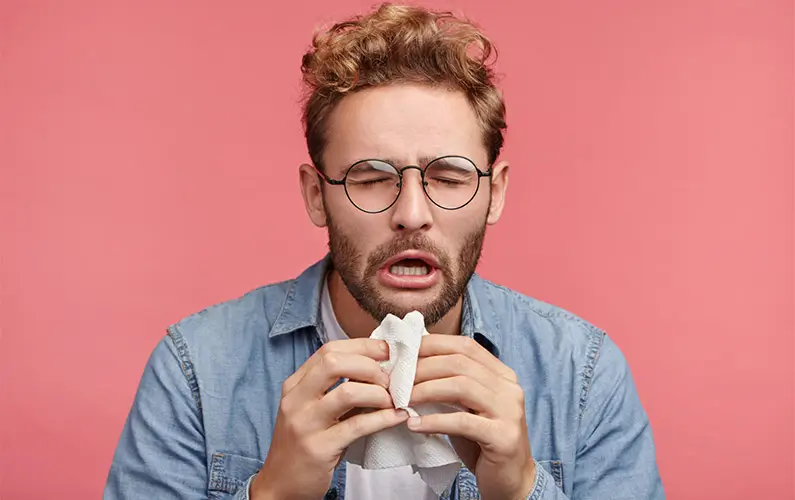
Sneezing is a small explosion of air that can surprise both you and the people around you. It happens in an instant — but have you ever stopped to think about what actually occurs when you sneeze? Despite being a reflex we all experience, sneezing is a fascinating biological phenomenon filled with hidden details. In this article, we explore 10 surprising facts about sneezing that you’ve probably never heard before. So hold your nose and join us on a journey through this often overlooked — yet incredibly interesting — bodily function.
1 The world’s longest sneezing streak lasted more than two years…
Donna Griffiths is known for holding the record for the longest continuous period of sneezing. According to Guinness World Records, she began sneezing on July 26, 1981, and continued for an astonishing 782 days, finally stopping on September 16, 1983.
At the beginning, she sneezed almost constantly, with an estimated one million sneezes during the first 365 days alone. After the first year, the frequency gradually decreased, but the sneezing continued until the end of the record-breaking period. [source]
2 Why you should never try to hold in a sneeze…
Once a sneeze has started, it is almost impossible to stop, as it is a reflex. The best way to reduce sneezing is to avoid triggers and properly manage any underlying allergies. Trying to suppress a sneeze is not recommended, as it can cause injuries such as ruptured eardrums or damage to blood vessels in the nose and eyes. Letting a sneeze happen naturally helps the body clear irritants from the nasal passages. [source]

3 It’s just a myth that your eyes can pop out if you sneeze with them open…
When you sneeze, your body automatically closes your eyes, and it is nearly impossible to keep them open during the reflex. This reaction is part of the body’s natural protective mechanism and has nothing to do with pressure on the eyeballs. The idea that your eyes could pop out if you sneeze with them open is simply a myth — there is no physical connection between the air pressure created by sneezing and the pressure inside the eyes. In short, your eyes are completely safe. [source]

You may also like
4 Why it’s so important to sneeze into your elbow or a tissue…
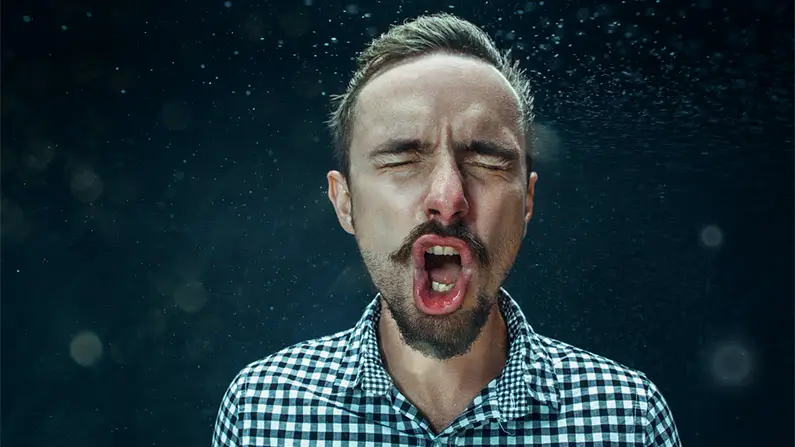
A single sneeze can release a huge number of droplets — up to 40,000 or even more, depending on how forceful it is. These droplets are expelled from both the nose and mouth, which is why proper sneezing etiquette is so important. Sneezing into your elbow or into a disposable tissue is an effective way to contain the droplets and significantly reduce the risk of spreading germs to others. [source]
5 This is why people say “prosit” in many countries after someone sneezes…
The word “prosit” comes from the Latin expression “pro sit“, meaning “may it be beneficial” or “may it do good“. It is a wish that the person who sneezes will gain some benefit or advantage from the sneeze, even though today it functions more as a polite phrase than a literal expression of hope. Originally, it was used as a greeting to wish health or well-being, which is why it remains a friendly remark after someone sneezes. [source]
6 A sneeze can reach speeds of over 160 km/h (100 mph)…
This incredible speed is one reason why sneezes are so powerful and capable of spreading germs over long distances. It also explains why trying to hold in a sneeze can be dangerous, as the pressure may cause damage to blood vessels or even the eardrums. Completely suppressing the sound of a sneeze is difficult, since it requires a certain amount of airflow and pressure, which is why sneezes are usually impossible to keep silent. [source]
You may also like
7 Bright light can trigger a sneeze…
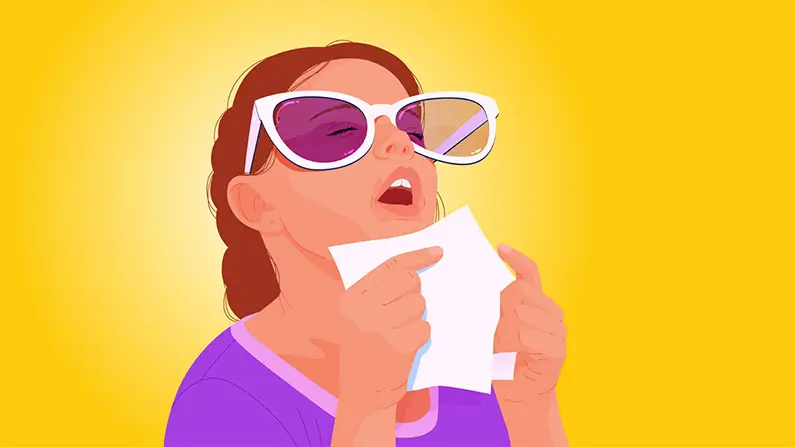
There is a phenomenon known as the photic sneeze reflex, which affects approximately 25–35% of the population. It causes some people to sneeze when they are suddenly exposed to bright light, especially sunlight. The exact cause of this unusual reflex is not fully understood, but researchers believe it is related to how nerve signals for light and sneezing overlap in the brain. The reflex may be genetically inherited and can be triggered when stepping into strong sunlight or even by certain types of artificial light. [source]
8 It’s actually not impossible to sneeze while sleeping…
You may have heard that it’s completely impossible to sneeze while asleep — but that isn’t entirely true. During sleep, especially REM sleep, the body’s muscles are deeply relaxed and reflexes are suppressed, which makes sneezing unlikely. However, it’s not impossible. If a strong irritant enters the nose or there is an intense stimulus, a person may briefly wake up in order to sneeze. Still, sneezing during deep sleep is very rare. [source]

You may also like
9 This is why you often sneeze more than once in a row…
It’s quite common for people to sneeze multiple times in succession. This happens because the body is trying to fully clear the nasal passages of irritants or allergens. A single sneeze may not remove everything, so the body triggers additional sneezes to finish the job. This phenomenon is part of the body’s natural defense mechanism against irritation and is completely normal. [source]
10 A sneeze can travel up to 8 meters (26 feet)…
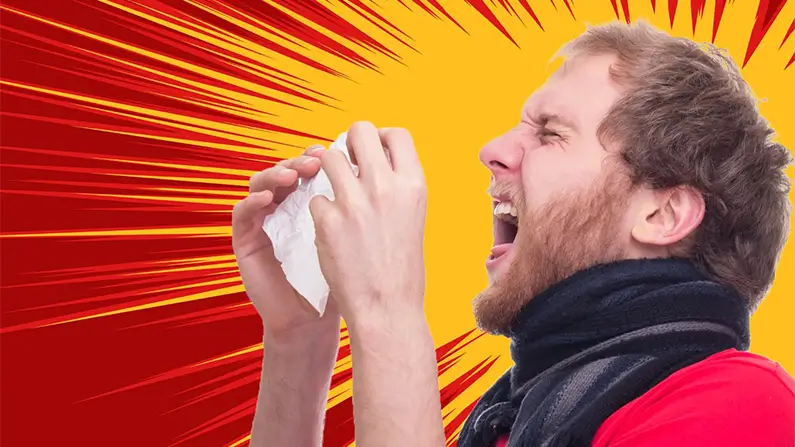
Research by Lydia Bourouiba and others has shown that a sneeze can spread droplets and particles over distances of up to 8 meters (26 feet) or more, depending on factors such as humidity and temperature. Sneezing droplets can also remain suspended in the air for a short time after the sneeze occurs, contributing to the spread of infectious particles. This highlights the importance of good hygiene habits, such as sneezing into your elbow or using tissues, to reduce the risk of transmission (yes, we know — we’ve mentioned this a lot). [source]
You may also like
Xtra You can’t sneeze with your eyes open — and it’s not just a habit…
When you sneeze, your body triggers an automatic neurological reflex that forces your eyes to close. This reflex is controlled by the brainstem and happens without conscious control, which is why almost everyone closes their eyes when sneezing. While it’s theoretically possible to resist it, most people physically can’t override the reflex. It’s your body’s way of protecting the eyes during a sudden burst of pressure and airflow. [source]
5 Frequently Asked Questions About Sneezing
It happens when the nasal passages become irritated by particles such as dust, allergens, or microbes, triggering a protective reflex to clear the airways.
Not always. It can be a normal response to irritation, temperature changes, or bright light, and does not automatically indicate an infection.
The body may repeat the reflex if the initial response does not fully remove the irritant, resulting in multiple episodes in a row.
In really rare cases, suppressing the reflex can lead to injuries such as pressure damage in the ears or blood vessels, which is why letting it happen naturally is safer.
Reflexes are reduced during sleep, making it uncommon, but it can still occur if a strong stimulus causes a brief awakening.