

Acne is often dismissed as a teenage problem, but the truth is far more complex. It affects people of all ages, backgrounds, and lifestyles — and much of what we think we know about it is either outdated or simply wrong. From surprising biological triggers to long-standing myths that refuse to die, acne is surrounded by misconceptions. In this article, we take a closer look at ten things you probably didn’t know about acne — facts that might change how you understand your skin for good.
1 There are actually five (!) different types of acne…
If you thought acne was just one single condition, you’re seriously mistaken. Acne is divided into five distinct categories, each with its own characteristics and level of severity:
- Acne vulgaris – the most common form of acne. Typically involves inflamed pimples, blackheads, and often oily skin.
- Acne comedonica – mainly blackheads and whiteheads, with little to no inflammation.
- Acne papulopustulosa – characterized by inflamed papules and pustules, what most people think of as classic “pimples.”
- Acne nodulocystica – a more severe form involving deep, painful nodules beneath the skin.
- Acne conglobata – the most severe type of acne. It includes large, inflamed cysts, very oily skin, and hardened areas around lesions. This form almost always leads to scarring and can affect large areas of the body. In the most extreme documented cases, people have been nearly completely covered.
So, which type of acne have you experienced? [source]
2 Washing your face more won’t help…
Acne has very little to do with dirty skin, which is why washing your face excessively won’t make it go away. In fact, over-washing can irritate the skin and make acne worse. Washing once or twice a day is enough, just as recommended for normal skincare routines. Use a mild cleanser designed for oily or acne-prone skin, preferably fragrance-free. You should also avoid heavy creams and oils, as they can clog pores and worsen breakouts. [source]

3 Why you should never, ever pop a pimple…
Never squeeze or pop acne lesions. Doing so can damage the sebaceous gland, causing the inflammation to spread deeper into the skin and become even worse. You should also never pierce or cut a cyst or boil yourself, as this dramatically increases the risk of permanent scarring. [source]

You may also like
4 This is why acne develops…
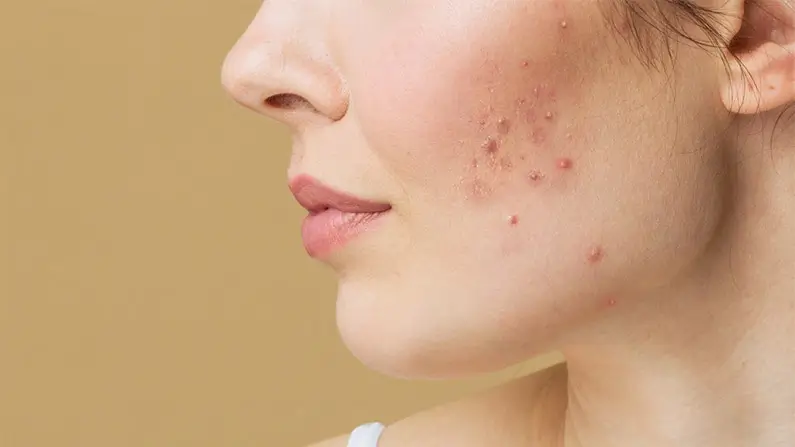
Acne is primarily caused by hormonal changes, especially during puberty, when the body produces higher levels of sex hormones. These hormones stimulate the sebaceous glands beneath the skin to produce more sebum, an oily substance. Sebum can mix with dead skin cells and clog the pores, leading to the formation of blackheads. At the same time, levels of a specific bacterium increase, which plays a key role in acne development. Acne lesions form when the lower part of the sebaceous gland becomes inflamed. Because sebaceous glands are most concentrated on the face, chest, buttocks, and back, acne tends to appear most often in these areas. [source]
5 Acne is partly genetic (sorry, kids)…
Your genes play a significant role in whether you develop acne, especially during the teenage years. The risk of experiencing more severe acne increases if one — or both — of your parents had serious acne as teenagers. On the other hand, it is quite rare for children of parents who did not struggle with acne in their youth to develop severe forms of the condition. [source]
6 One in three teenagers could benefit from treatment…
Most teenagers experience acne at some point during adolescence. Girls often develop acne earlier than boys, as they generally enter puberty sooner. Around one in three teenagers aged 12–17 has acne severe enough to benefit from some form of treatment. A smaller group suffers from acne that is so severe it significantly affects quality of life. Many women may also continue to experience hormonal breakouts before and during menstruation, even well into adulthood. [source]
You may also like
7 What you should avoid for clearer skin…
Several medications — and even humidity — can contribute to acne breakouts. If you are prone to acne, it’s best to avoid high or prolonged use of corticosteroids, as they can worsen the condition. Medications containing lithium are also a well-known trigger. If you train heavily and use anabolic steroids, stopping is strongly recommended if you want to maintain clearer skin. People who work with oils or greasy substances should be especially careful to remove oil from the skin immediately, as these substances can clog pores and lead to breakouts. Working in warm and humid environments may also increase acne risk. In addition, heavy, oily sunscreens have been shown to trigger or worsen acne in some individuals. [source]
8 Adult acne is known as acne tarda…
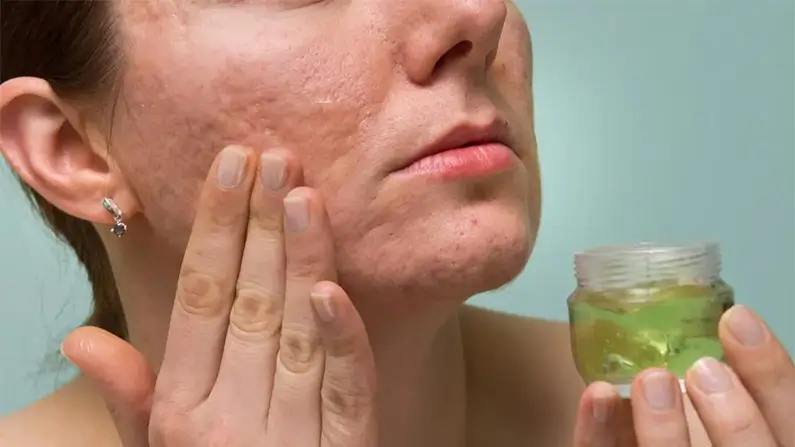
Acne in adults is commonly referred to as adult acne, or acne tarda, and is primarily triggered by hormonal changes. However, external factors such as makeup and sun exposure can also contribute to flare-ups. During menstruation, hormones are the main reason many adults experience recurring breakouts. [source]

You may also like
9 Diet likely plays a major role…
A population of around 1,200 Kitavan islanders in Papua New Guinea reported no cases of acne at all — and the same was observed among the Aché tribe in Paraguay. Researchers believe this may be linked to their diet, which is completely free from refined sugar and processed foods. It might be time to take a closer look at what you eat. [source]
10 No, toothpaste is not an acne treatment…
There has long been a myth that applying toothpaste to pimples helps “dry them out“. However, there is no scientific evidence to support this claim, and the practice is strongly discouraged by both doctors and researchers, as it can irritate the skin and make acne worse. [source]

You may also like
Xtra Acne can follow your internal body clock…
Few people know that acne may be influenced by your circadian rhythm — the body’s internal clock. Research suggests that sebum production fluctuates throughout the day, often peaking in the afternoon, which may help explain why breakouts can worsen at certain times. Lack of sleep and disrupted sleep cycles have also been linked to increased inflammation in the skin, potentially aggravating acne symptoms. [source]
5 Frequently Asked Questions About Acne
It develops when pores become clogged with oil and dead skin cells, combined with inflammation and bacterial activity. Hormonal changes play a major role, especially during puberty and adulthood.
No. Many adults experience breakouts well into their 30s, 40s, and even later, often due to hormonal fluctuations, stress, or external triggers.
Certain eating patterns, particularly those high in refined sugars and processed foods, may increase inflammation in the body and contribute to skin problems in some individuals.
Yes. Squeezing lesions can push inflammation deeper into the skin, increasing the risk of infection, prolonged healing, and permanent scarring.
It varies widely. For some, it resolves after adolescence, while others may experience recurring symptoms for many years without proper treatment.