
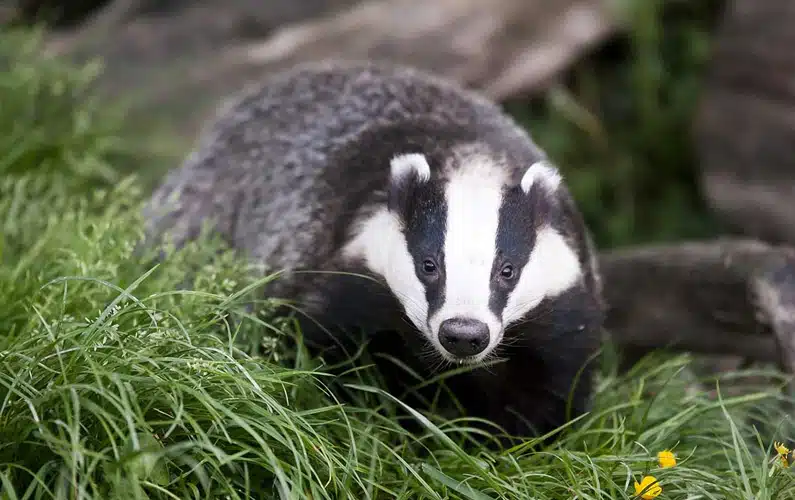
They are the secret inhabitants of the night, quiet and determined creatures that slip through the dusk unnoticed — yet despite their wide distribution across much of Europe and parts of Asia, most people know surprisingly little about badgers (Meles meles). They live in complex underground tunnel systems, have an impressive appetite for earthworms, and play a crucial role in their ecosystems. At the same time, they’re surrounded by old myths and misconceptions that don’t always hold true.
Here are 10 fascinating facts that offer a fresh perspective on one of the world’s most misunderstood wild mammals.
1 Badgers are true homebodies…
Badgers are highly attentive caretakers of their homes, known as setts. They never bring food inside the sett and they never use any part of it as a toilet — instead, they rely on designated areas along the edges of their territory called latrines. Badgers also like to keep their sleeping chambers clean and will change their “bedding” repeatedly to prevent the buildup of fleas and lice. They often line their sleeping rooms with fresh grass and leaves to create a warm, comfortable nest. [source]
2 Opinions differ on the origin of their name…
There are two conflicting explanations for where the English word “badger” comes from. Some suggest it originates from the French bêcheur, meaning “digger“. Others argue it stems from the animal’s distinctive striped face, which resembles a “badge“. Perhaps the most interesting, however, is the Welsh word for badger — mochyn daear — which quite literally translates to the rather unflattering “earth pig“. [source]
3 Badgers are true omnivores…
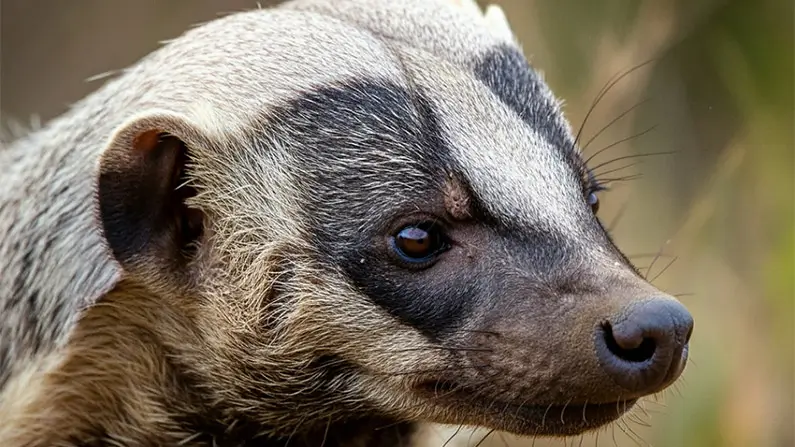
Badgers have a varied diet and will eat everything from meat to fruit — even planted bulbs and bird eggs. Their thick skin and long, sharp claws make them excellent diggers and also allow them to bypass a hedgehog’s defenses, making it one of the few animals capable of turning the spiky creature into a snack. They are particularly fond of elderberries, so it’s not uncommon to find elder bushes growing near the entrances to their setts. Earthworms make up around 80% of their daily diet, and they can consume several hundred in a single night. [source]

You may also like
4 It’s unclear exactly how long badgers have existed…
Badger species found on the British Isles have been present there for at least 250,000 years, but some researchers claim they may have been around for as long as 400,000 years. [source]
5 Badgers are a significant transmitter of tuberculosis…
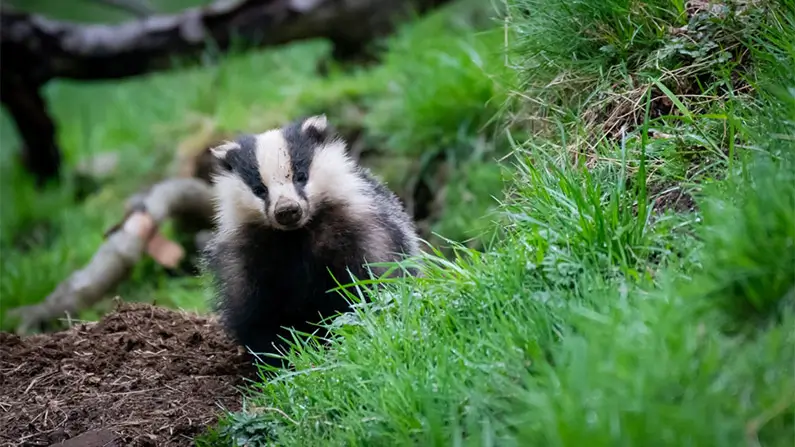
In the past, tuberculosis was primarily spread to humans through the consumption of milk from infected cattle. Through intensive testing and the culling of infected animals as part of national and EU-wide control programs, most member states have nearly eradicated bovine tuberculosis. Since the early 1970s, however, badgers have acted as a wildlife reservoir in certain areas, particularly in southwestern England and Wales. Several methods have been used to control the disease, including systematic culling of badgers on affected farms and in the surrounding countryside. Due to large-scale culling efforts, the badger was placed under legal protection in the United Kingdom in 1992. [source]
6 Badgers have been symbolic in many historical and popular stories…
Badgers have even appeared throughout popular culture over the years! From Beatrix Potter’s tales to Kenneth Grahame’s The Wind in the Willows, the badger has featured in many parts of our literary heritage. It is even the emblem of Hufflepuff House in J.K. Rowling’s Harry Potter series, depicted in yellow and black as an iconic crest. [source]
You may also like
7 Why you should never try to pet a badger…
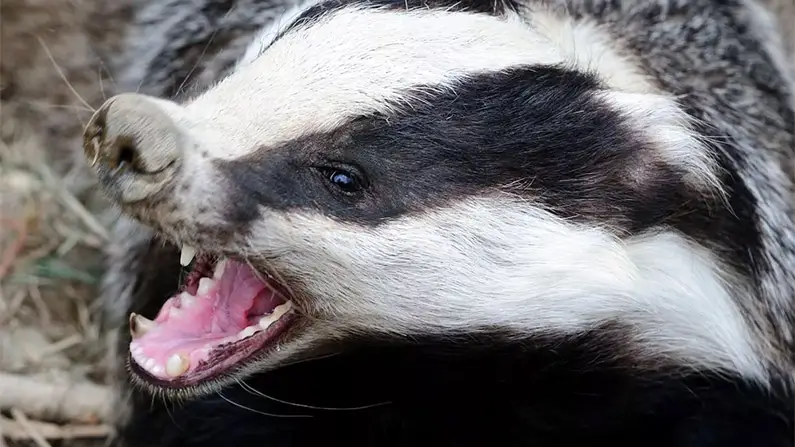
They don’t like being petted or touched. You’re likely to be bitten — hard — or swiped at with their sharp claws. If they can use those claws to kill hedgehogs, they can certainly injure you as well. The photo below shows an aggressive badger displaying its teeth — a clear reminder of just how powerful their bite can be. And that’s definitely not something you’d want sinking into your skin, is it? [source]
8 They tried using a live badger as a mascot — and it didn’t go as planned…
In 1948, the University of Wisconsin attempted to use a real badger as a mascot during its American football games. However, the animal proved extremely difficult to control and was eventually replaced by a raccoon named Regdab — “badger” spelled backwards. [source]
You may also like
9 An old and untrue myth about the badger…
One long-standing myth claims that if a badger bites someone, its jaws will lock shut until it hears the person’s bones crack. To protect themselves, people were once advised to put eggshells or crispbread in their boots, so the crunching sound would supposedly satisfy the badger. There is, however, absolutely no truth to this myth. [source]
10 They can actually snore — and loudly…
It isn’t uncommon for wildlife filmmakers and night-time observers to capture badgers snoring so loudly that the sound carries outside the sett. It’s a surprisingly human-like trait from these otherwise secretive nocturnal animals. [source]

You may also like
5 Common Questions About Badgers
Badgers live in woodlands, grasslands, farmlands and forests across Europe, North America and parts of Asia, depending on the species.
Badgers are generally not dangerous to humans and prefer to avoid contact. However, they can defend themselves if cornered or threatened.
Badgers are omnivores, feeding on earthworms, insects, small mammals, fruit, roots and plants, depending on availability.
Badgers dig to create extensive underground burrow systems called setts, which they use for shelter, raising young and social living.
In many countries, badgers are legally protected, making it illegal to harm or disturb them or their setts without special permission.