

Silverfish, also known as Lepisma saccharina, are a primitive, wingless insect species belonging to the order Zygentoma. Their common name comes from their silvery, fish-like appearance and the smooth, gliding way they move — almost as if they’re swimming.
If you spot silverfish in your bathroom, laundry room, or basement, it’s usually a sign that those areas have high humidity and warm temperatures. There’s an old myth that silverfish invade dirty homes, but that’s not really true.
Below, you’ll find ten surprising facts you likely never knew about these tiny critters!
1 Silverfish aren’t dangerous at all — but they are very hungry…
Silverfish rarely cause major trouble, since they can’t bite, sting, or spread diseases. However, if they start showing up in your kitchen cupboards or personal library, they can quickly become a nuisance — happily munching on sugary food or chewing on the glue that holds books together.
Over the years, silverfish have damaged artworks and become a pesky problem for stamp collectors as well. [source]
2 The easiest way to get rid of silverfish…
These tiny insects thrive in humid spaces. If you’re dealing with a larger invasion, the most effective solution is to air out the room as much as possible to bring moisture levels down. [source]
3 The silverfish is one of the oldest insects on Earth…
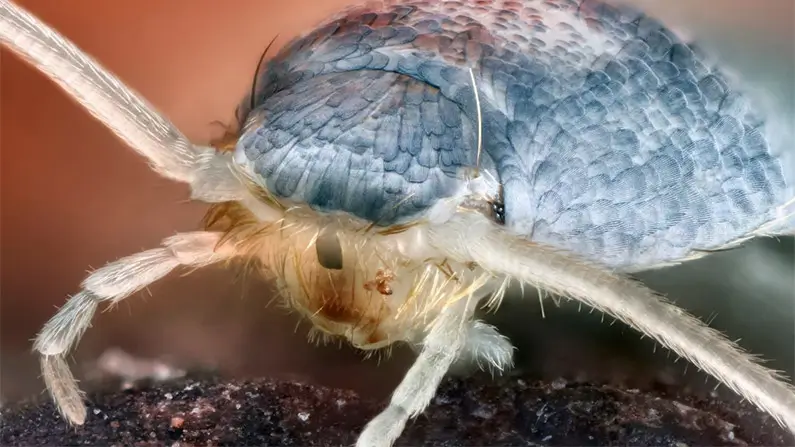
They are among the oldest insects in the world, having lived on the planet for over 400 million years — that’s a full 100 million years before dinosaurs even existed! [source]

You may also like
4 You won’t get rid of them anytime soon…
If you’re dealing with a silverfish problem at home, you might hope they have short lifespans. But nope! These creatures actually live a surprisingly long time for insects — typically three to six years on average. Some individuals have even been documented to survive for over eight years! [source]
5 Nope, hiding the candy won’t help…
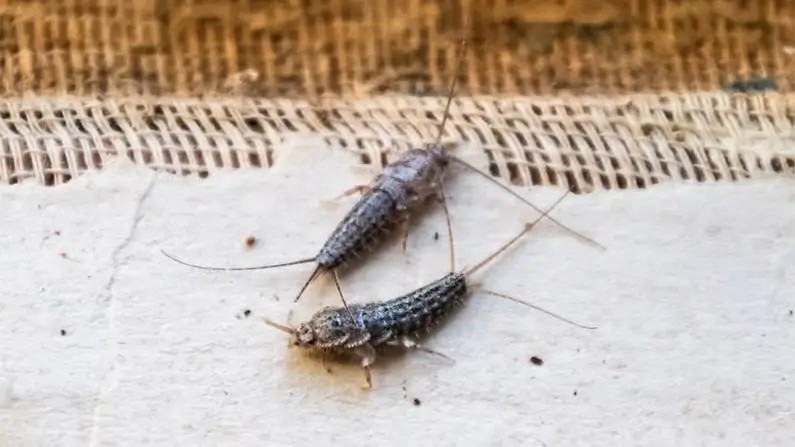
If you think you can get rid of these critters by stashing away sweets and snacks, think again. A silverfish can survive up to a full year without food, and it will happily feast on all sorts of odd things — including glue, toothpaste, pasta, cardboard, and plenty more unexpected materials. [source]
6 They really do love the dark…
Silverfish thrive in humid, dark areas of your home — and that’s why they adore nighttime. During the day, they hide away in places like closets, cabinets, and drawers, seeking out deep shade. But once it’s dark, they wander more freely, especially in damp spaces, exploring while the house sleeps. [source]
You may also like
7 Here’s how they got the name silverfish…
They move just like a fish, wriggling their bodies from side to side! They’re also incredibly fast and often outrun their predators — including spiders. Good luck trying to catch one — we mean it! [source]

8 It’s just a myth that silverfish thrive in dirty homes…
For a long time, people believed silverfish only lived in dirty or unclean spaces, but that’s a misconception that still lingers today. In reality, these insects don’t depend on dirt or poor hygiene to survive. Instead, darkness and high humidity are the key conditions they need.
Silverfish thrive when moisture levels are between 75% and 95%, conditions commonly found in bathrooms, basements, and other damp areas of a home. That’s why they are often seen even in very clean and well-maintained environments, as long as the conditions are right. So it’s not dirt that attracts them — it’s the cool, moist air they need to survive and reproduce. [source]

You may also like
9 It’s just a myth that silverfish thrive in dirty homes…
Although the little insect might look a bit creepy or unsettling when you spot them crawling around the bathroom or other damp areas of your home, there is no need to worry about them biting you. In fact, it’s extremely rare for a silverfish to even attempt to bite, and they are not aggressive toward humans.
On the off chance it does happen — which is very unlikely — they don’t carry any diseases or viruses that can harm us.
Silverfish are essentially harmless little critters that prefer to stay hidden, seeking out damp, dark spaces where they can find food. They pose no health risk, and are simply a minor annoyance when they suddenly appear in your home. [source]

10 How big a silverfish can really get…
Thanks to their long, sensitive antennae, the insect can appear larger at first glance than they actually are. In reality, most are fairly small — typically between 12 and 19 millimeters long. Their flat, elongated bodies and shiny, scale-like covering give them that eye-catching silver appearance.
There are exceptions, though — some species can grow significantly larger. One particular type can reach up to three centimeters in length, making it one of the biggest members of its family. Despite their size, they’re quick and hard to catch, which only adds to their reputation as fast-moving, nocturnal house guests. [source]

You may also like
5 Frequently Asked Questions About Silverfish
They are harmless insects that prefer warm, humid places. Bathrooms, basements, and kitchens provide the perfect environment, especially if there is moisture and food to nibble on.
No — they do not bite, sting, or spread disease. The biggest problem they cause is damage to belongings, such as books, paper, photos, or stored food.
Reduce humidity and moisture, fix leaks, ventilate rooms, and store food in sealed containers. Cleaning helps remove food crumbs, and keeping things dry is the most effective long-term fix.
They feed on starches and sugars, including glue, cardboard, paper, pasta, fabrics, and even toothpaste. They are incredibly resourceful scavengers.
Much longer than most insects — typically three to six years, and some have been recorded to survive up to eight years, especially in ideal conditions.