
Snakes (Serpentes) are sleek, agile, and often misunderstood reptiles found in ecosystems all over the world. Known for their silent movement and unique biology, snakes have fascinated and frightened humans for centuries. In this article, we explore 10 fascinating facts about snakes, revealing how they live, hunt, survive, and why they play an important role in maintaining ecological balance.
1 Roughly how long do snakes live…
The lifespan of snakes varies depending on species and environment. In general, smaller species, such as grass snakes and kingsnakes, tend to live around 10–15 years in the wild. Larger species, including boas and pythons, can live significantly longer—often 20–30 years in captivity, and sometimes even longer in the wild if they manage to avoid predators and disease.
It is important to note that determining the exact age of wild snakes is difficult, as their lifespan is influenced by factors such as food availability, environmental changes, and natural threats. In captivity, snakes often live longer thanks to a stable environment, regular care, and consistent access to food. [source]
2 Snake Island – the most venomous island in the world (literally)…
There is an island so densely populated with venomous snakes that the Brazilian Navy has placed it under quarantine. A biologist once described the danger by saying that when you are on the island, you are “never more than three meters from death“.
The island is commonly known as Snake Island, but its official name is Ilha da Queimada Grande. The image below was taken on Snake Island—and yes, it really does look like a perfect holiday destination, doesn’t it? [source]

3 A man injected himself with snake venom every day for 60 years—becoming a “super saver”…
Bill Haast from Florida, USA—also known as the “Snake Man“—was bitten by venomous snakes at least 173 times. For more than 60 years, he deliberately injected himself with small doses of snake venom in an effort to build immunity.
As a result, his blood became rich in antibodies, which was used to help save countless lives through experimental treatments and antivenom research. Haast lived to celebrate his 100th birthday before passing away on June 15, 2011—a truly extraordinary life shaped by extreme risk and resilience. [source]

You may also like
4 The risk of dying in a horse-riding accident is actually higher than dying from a venomous snakebite in Australia…
Up until 2014, all of Australia’s snakes, spiders, sharks, crocodiles, and other venomous marine animals combined were responsible for an average of just five deaths per year.
By comparison, horse-riding accidents caused around 20 deaths annually in the same country. The statistics highlight how fear of dangerous animals often outweighs the actual risk, especially when compared to everyday activities. [source]
5 Snakes can smell with their tongues…
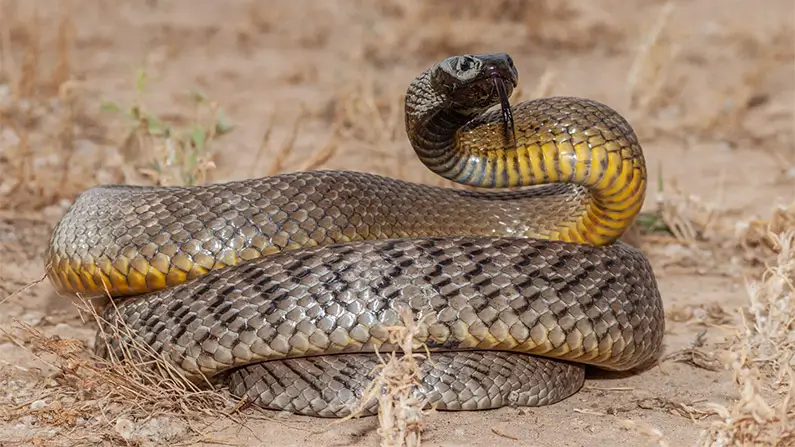
Snakes don’t smell the world the way humans do. Instead, they flick their tongues to collect scent particles from the air, which are then analyzed by a special sensory organ called the Jacobson’s organ (or vomeronasal organ). This allows them to “taste” their surroundings, track prey with incredible precision, and even detect potential mates—making their tongue one of the most powerful sensory tools in the animal kingdom. [source]
6 Snakes can dislocate their jaws—but they don’t actually “unhinge” them…
It’s a common myth that snakes unhinge their jaws when swallowing prey. In reality, their jaws are held together by flexible ligaments instead of rigid bone, allowing each side of the jaw to move independently. This lets them “walk” their mouth over prey much larger than their own head—sometimes animals several times wider than their body.
In other words: snakes don’t have stretchy mouths—they have ingeniously engineered skulls. [källa]
You may also like
7 Black mamba venom may work better than morphine…
The black mamba, one of the most venomous snakes in the world, produces peptides known as mambalgins. Scientific research has shown that these compounds have the potential to act as extremely powerful painkillers.
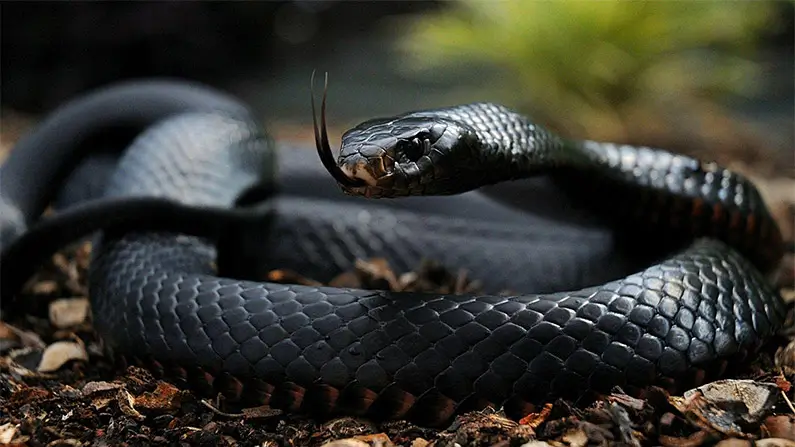
Studies suggest that mambalgins may be up to 100 times more effective than morphine at relieving pain, while potentially causing fewer side effects related to breathing and addiction. This discovery has made them a promising area of research in modern pain management. The image below shows a black mamba snake. [source]
8 Which animals eat snakes? Here are their natural predators…
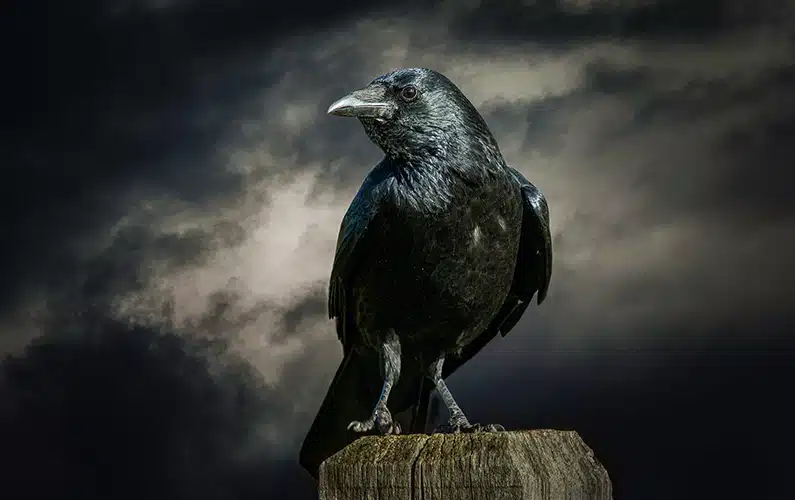
Snakes are prey to a wide range of animals, depending on their size and habitat. Birds of prey such as hawks, eagles, and owls are well known for hunting and eating smaller snakes, and some corvids have also been observed doing the same.
Among mammals, predators such as badgers, mustelids, weasels, and certain primates are known to hunt and consume snakes. In addition, some frogs, lizards, and other reptiles, as well as certain bird species, may also prey on snakes. In other words, despite their reputation, snakes have many natural enemies to watch out for. [source]

You may also like
9 Copperhead snake venom may halt the growth of cancer cells…
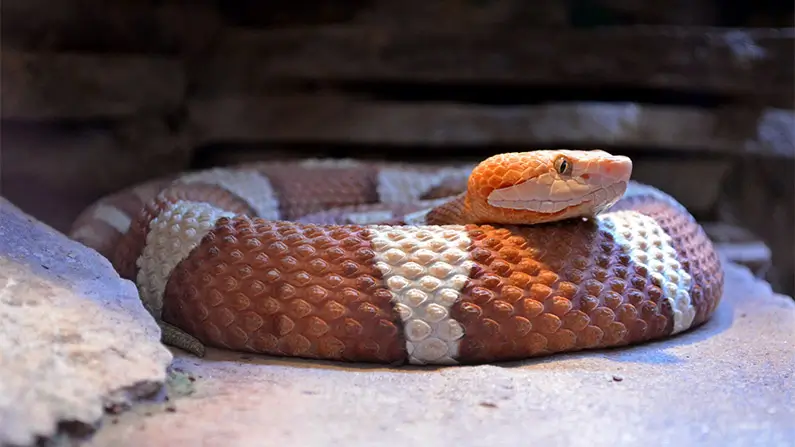
The venom of the copperhead snake (Agkistrodon contortrix)—one of the more dangerous venomous snakes and shown in the image below—has been found to contain a protein capable of stopping the growth of cancer cells by effectively paralyzing them. Research also suggests that this compound may slow the growth of tumors, making the venom an intriguing subject in cancer and medical research. [source]
10 Australia has more venomous snakes than non-venomous ones…
Australia is the only continent on Earth where venomous snake species actually outnumber non-venomous ones. Despite this, only around 2–4 people per year are reported to die from snakebites in the country.
The statistic highlights how effective medical treatment, awareness, and quick response have dramatically reduced fatalities—even in one of the world’s most snake-rich environments. [source]
You may also like
5 Common Questions About Snakes
Most species are harmless and avoid human contact. Only a small percentage are venomous, and serious incidents are extremely rare with modern medical treatment.
They rely on highly developed senses, including detecting vibrations, heat, and chemical signals, allowing them to strike with remarkable precision.
They inhabit nearly every continent, thriving in environments ranging from forests and deserts to wetlands and grasslands.
They help control rodent populations and serve as both predators and prey, playing a crucial role in ecological balance.
They can sense physical stimuli and stress, but their nervous systems differ from mammals, meaning emotions are experienced in a much simpler biological way.